Hotel Toranomon Hills - The Unbound Collection by Hyatt
When you book Hotel Toranomon Hills - The Unbound Collection by Hyatt in Tokyo, Japan through our Hyatt Privé partnership, your stay includes daily breakfast, room upgrades and a hotel credit.
Exclusive Booking Perks
- Welcome amenity provided to guests upon arrival.
- Daily complimentary full breakfast at a hotel restaurant for up to two guests.
- Property credit (value varies by property).
- Priority for room upgrade (response within 24 hours of booking, subject to forecasted occupancy).
- Early check-in/late check-out/connecting rooms (response within 24 hours of request, subject to forecasted occupancy).
Location
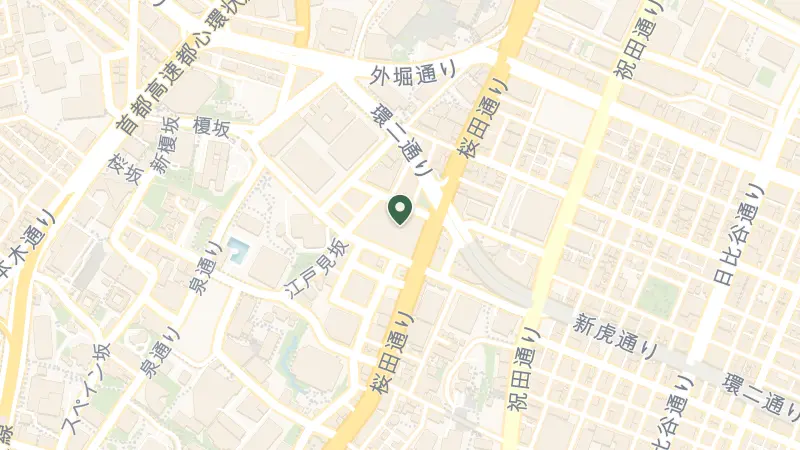
Hyatt's presence spans multiple tiers and geographies, and this property sits within the Unbound Collection, a portfolio that gathers independent-spirited hotels with distinct local character. The hotel rises in Toranomon, a district that has transformed from quiet bureaucratic backwater into one of Tokyo's most forward-looking quarters. Office towers and transit hubs cluster around Toranomon Hills, a mixed-use development that reshaped the skyline when it opened.
The neighbourhood straddles old and new: walk five minutes and you'll reach Atago Shrine, its stone steps climbing through cedar shade to a hilltop torii. Fifteen minutes west, the moats and pine-shaded ramparts of the Tokyo Imperial Palace mark the city's historic core. Shimbashi Station and its tangle of izakaya alleys lie to the southeast, while the Ginza shopping district glitters a short walk beyond.
The property's elevation offers long sight lines across the metropolis, a city that sprawls from Tokyo Bay inland across the Kantō plain. Haneda Airport sits fourteen kilometres southeast, connected by monorail and expressway; Narita International lies fifty-nine kilometres northeast, a longer journey but smoothed by dedicated rail links.
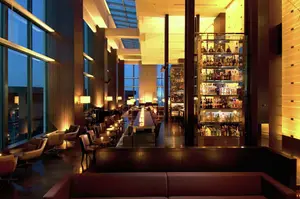
The top floors hold three culinary anchors, each distinct in ambition. apothéose, a one-star French dining room, takes its name from the idea of highest compliment or apex, and the concept plays out in the elevation and refinement of the menu. KEI Collection PARIS brings Kei Kobayashi's vision from Europe, a grill-focused gastronomy that marks his first à la carte venture. LE PRISTINE TOKYO represents Sergio Herman's outpost, the Belgian chef's Italian-leaning contemporary cuisine finding a new home in this skyline perch. Book a table at apothéose if the occasion warrants ceremony.
Beyond the property, Ginza's concentration of starred kitchens lies two kilometres south, where French technique and kaiseki discipline intersect. The Atago Shrine, a brief walk west, rewards the climb with a quiet precinct above the streets. Ameya-Yokochō market, five kilometres northeast near Ueno, sprawls under the tracks with vendors hawking dried fish, spices, and secondhand denim. Aoyama Farmers Market, three and a half kilometres southwest, gathers weekend produce stalls where Yamanishi apples and Shizuoka citrus arrive before noon.
Winter brings crystalline light and sharp air, temperatures hovering near freezing at dawn before climbing to eight or nine degrees by afternoon. Cherry blossoms arrive in late March, softening the city for a fortnight before the humid press of summer settles in. July and August see temperatures near thirty degrees, the air thick with moisture, rain arriving in sudden downpours.
Typhoon season peaks in September, though the city's infrastructure absorbs the storms with practiced efficiency. Autumn is the season to visit: October and November offer mild days, foliage turning rust and gold in temple gardens, skies clear enough to glimpse Mount Fuji from western vantage points.
December cools quickly, the streets strung with illuminations as the year closes.
Frequently Asked Questions
Free service · No obligation
Request a Quote 113 Bib Gourmand