Aman Tokyo
When you book Aman Tokyo in Tokyo, Japan through our Virtuoso partnership, your stay includes daily breakfast, room upgrades and a $100 hotel credit.
Exclusive Booking Perks
- Upgrade on arrival, subject to availability (*Please see Supplier Terms & Conditions)
- Daily breakfast for up to two guests per bedroom, served in the restaurant and via in-room dining (already included in property rates)
- $100 USD equivalent Resort or Hotel credit to be utilized during stay (excludes retail & La Patisserie by Aman Tokyo, not combinable, not valid on room rate, no cash value if not redeemed in full)
- Early Check-In / Late Check-Out,
- subject to availability
Location
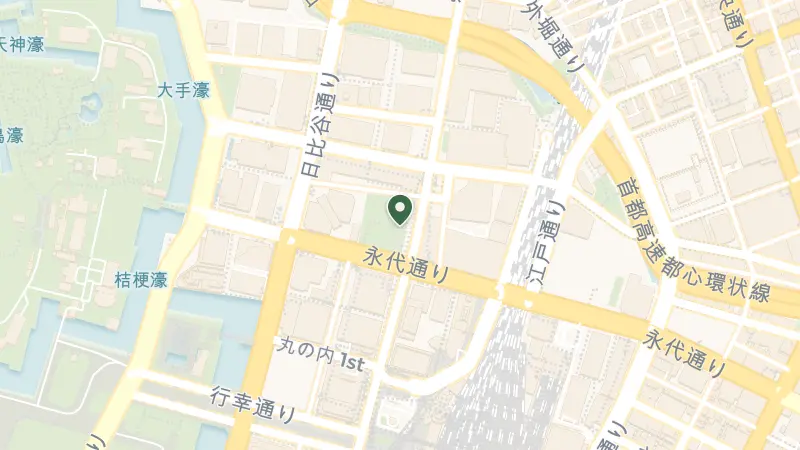
Aman properties cultivate a deliberate quietness, a spaciousness that extends beyond architecture to tempo and service. This Tokyo outpost honours that ethos within Ōtemachi, a district where the Imperial Palace moat forms a green ribbon along the western edge and centuries-old stone ramparts meet glass towers housing trading floors and executive suites.
The neighbourhood occupies the historical centre of Edo, now a financial and political nerve centre: the National Diet Building sits just beyond Chiyoda, while the Tokyo Imperial Palace grounds spread across 115 hectares of forest, lawns, and waterways that once ringed the shogunate's castle. Walk south ten minutes and you reach Marunouchi, where European-style brick façades recall the district's Meiji-era rebirth as the country's first Western business quarter.
Tokyo Station, a domed red-brick landmark completed in 1914 and meticulously restored, anchors the neighbourhood with Shinkansen platforms radiating toward Kyoto, Osaka, and beyond. Haneda International Airport lies fifteen kilometres southeast, connected by limousine bus and the Keikyu line; Narita sits fifty-seven kilometres northeast.
Start mornings with Arva's regionally inflected Italian cooking, where Masakazu Hiraki bridges Veneto technique with Japanese produce sourced from farms whose soil composition he knows by name. The on-site restaurant exemplifies the brand's commitment to place-specific cuisine without leaving the property. Within two kilometres, Seiji Yamamoto's RyuGin commands three Michelin stars for avant-garde kaiseki that treats each ingredient as a scientific and sensory inquiry; his fugu preparations and charcoal work set benchmarks. L'OSIER, named for the willow trees that once lined Ginza's avenues, delivers French haute cuisine beneath a glass willow sculpture two kilometres south. Book a table at either for an evening unfolding over multiple courses.
The Imperial Palace East Gardens open year-round, free, offering Edo-period foundations and seasonal blooms within minutes on foot. Ameya-Yokochō, a bustling street market beneath the Yamanote tracks near Ueno, sprawls three kilometres north with dried seafood stalls, yakitori smoke, and Korean grocers. The Tsukiji Outer Market endures as the city's premier sourcing ground for sashimi-grade fish and tamagoyaki counter breakfasts.
Winter months bring crystalline skies and daytime highs near eight degrees, the air sharp and dry, ideal for walking the palace grounds without crowds. Cherry blossoms peak in late March and early April, when temperatures climb to the mid-teens and the city pauses for hanami picnics beneath flowering sakura. May and June grow warmer and wetter, the rainy season softening the streets with persistent drizzle and humidity that clings.
July and August turn humid and hot, pushing thirty degrees, though summer festivals animate neighbourhoods with taiko drums and yukata-clad crowds. September remains warm but sees the heaviest rainfall. October offers a reprieve: cool mornings, mild afternoons, and the first hints of autumn colour spreading through temple gardens.
November through December deliver crisp, comfortable days for urban exploration, the ginkgo trees along Icho Namiki Avenue turning a blinding gold.
Frequently Asked Questions
Free service · No obligation
Request a Quote 113 Bib Gourmand