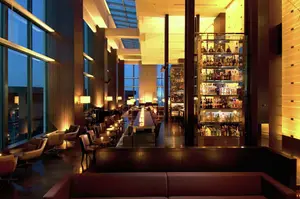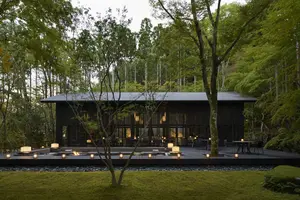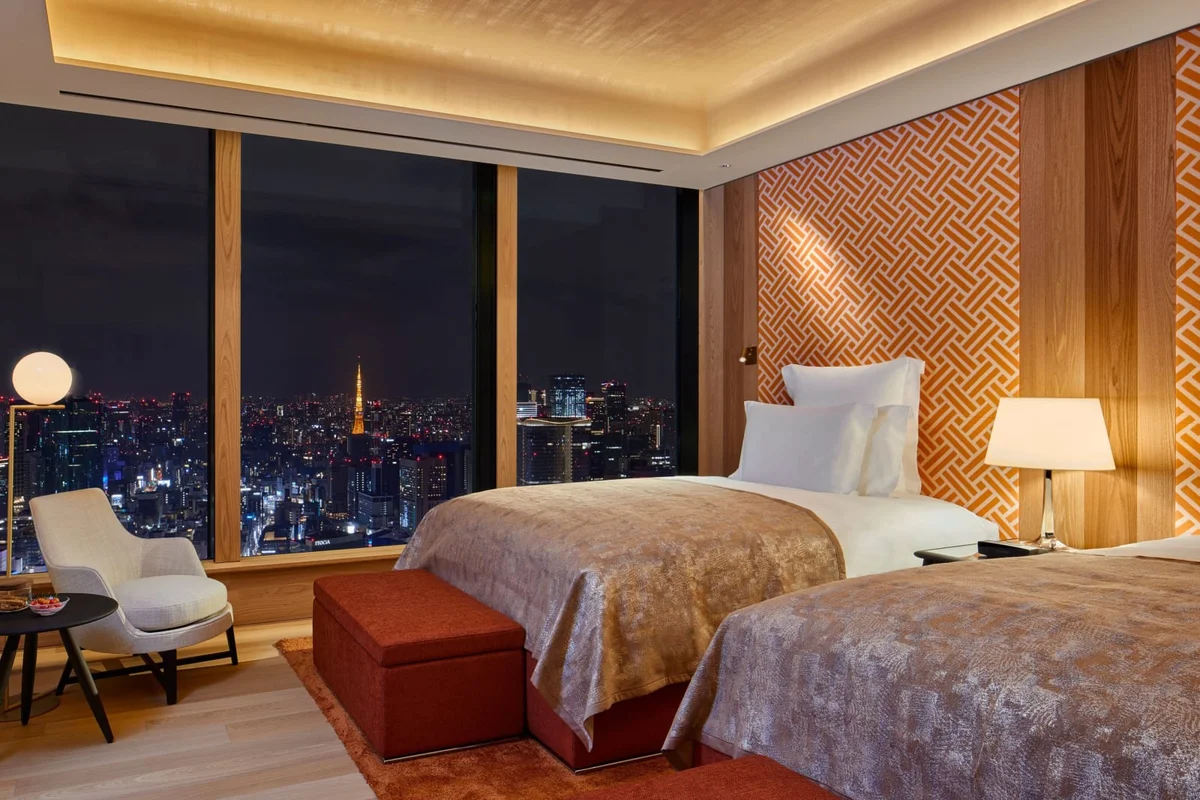
Bvlgari Hotel Tokyo
When you book Bvlgari Hotel Tokyo in Tokyo, Japan through our Virtuoso partnership, your stay includes daily breakfast, room upgrades and a $100 hotel credit.
Exclusive Booking Perks
- Upgrade on arrival, subject to availability
- Daily Full breakfast for up to two guests per bedroom, served in the restaurant and via in-room dining
- $100 USD equivalent Resort or Hotel credit to be utilized during stay (Not combinable, not valid on room rate, no cash value if not redeemed in full)
- Early check-in / Late check-out, subject to availability
Location
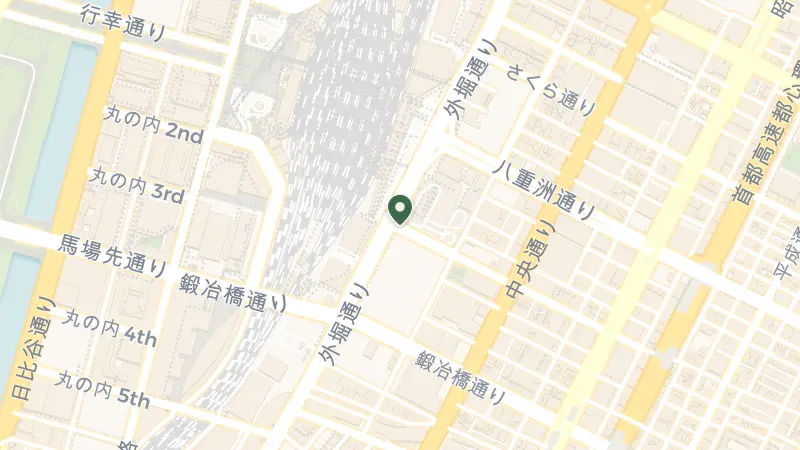
Bvlgari brings its Roman heritage of jeweler-precise craft and quiet confidence to Tokyo's Yaesu district, a neighbourhood that hums with the purposeful energy of the capital's business heart. Step outside and you're a short walk from Tokyo Station, that vast red-brick gateway where Shinkansen trains depart for Kyoto and Osaka in a whisper of aerodynamic efficiency. The Imperial Palace grounds lie one kilometre west, their moats and pine-shaded ramparts offering a startling pocket of Edo-period calm amid glass towers.
Ginza's department stores and galleries spread south, while Nihonbashi, the old merchant quarter where wooden bridges once arched over canals, unfolds to the north. This is Tokyo at its most functional and least touristed, a district of salarymen and understated power lunches, of izakayas tucked into basements and the faint smell of grilled unagi drifting from century-old shops.
The atmosphere is brisk, efficient, punctuated by the rhythmic crossing signals and the soft chime of convenience store doors. Haneda Airport sits fourteen kilometres south, connected by the efficient Keikyu Line.
Tokyo's culinary depth reveals itself within walking distance. Book a table at RyuGin, one kilometre away, where Seiji Yamamoto's three-Michelin-starred kaiseki reads like a scientific thesis on Japanese terroir, each course dissecting the properties of a single ingredient with relentless precision. L'OSIER, named for the willow trees that once defined Ginza, offers three-starred French contemporary cuisine beneath a glass willow sculpture. For sushi purists, Harutaka brings three stars and the disciplined hand of a chef trained at Sukiyabashi Jiro. The Tsukiji Outer Market, though the wholesale action has moved to Toyosu, still delivers morning tamago-yaki and toro sashimi two kilometres south.
Wander the Imperial Palace East Gardens for azaleas and the remnants of Edo Castle's fortifications. Ameya-Yokochō, a chaotic open-air market beneath the Yamanote Line tracks three and a half kilometres north, peddles dried seafood, Korean kimchi, and fake Rolex watches with equal enthusiasm. Don't miss the seasonal kaiseki lunch at any traditional ryotei in Nihonbashi.
Winter light in Tokyo is sharp and cold, temperatures hovering between freezing and eight degrees, the air dry enough to crack knuckles. Spring arrives with sudden warmth in April, cherry blossoms foaming pink along the moats and rivers before May's humid prelude to summer.
June through September is hot and sticky, the rainy season drenching streets in early summer before August's swelter empties the city to mountain resorts. September brings typhoons and the year's heaviest rainfall.
October and November are Tokyo's finest months: clear skies, mild days around twenty degrees, the ginkgo trees turning shocking yellow along every boulevard. December crisps into winter again, the city strung with illuminations.
Frequently Asked Questions
Free service · No obligation
Request a Quote 113 Bib Gourmand