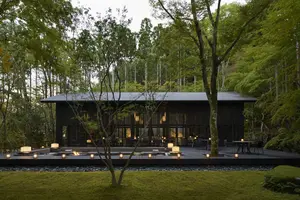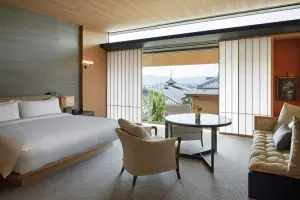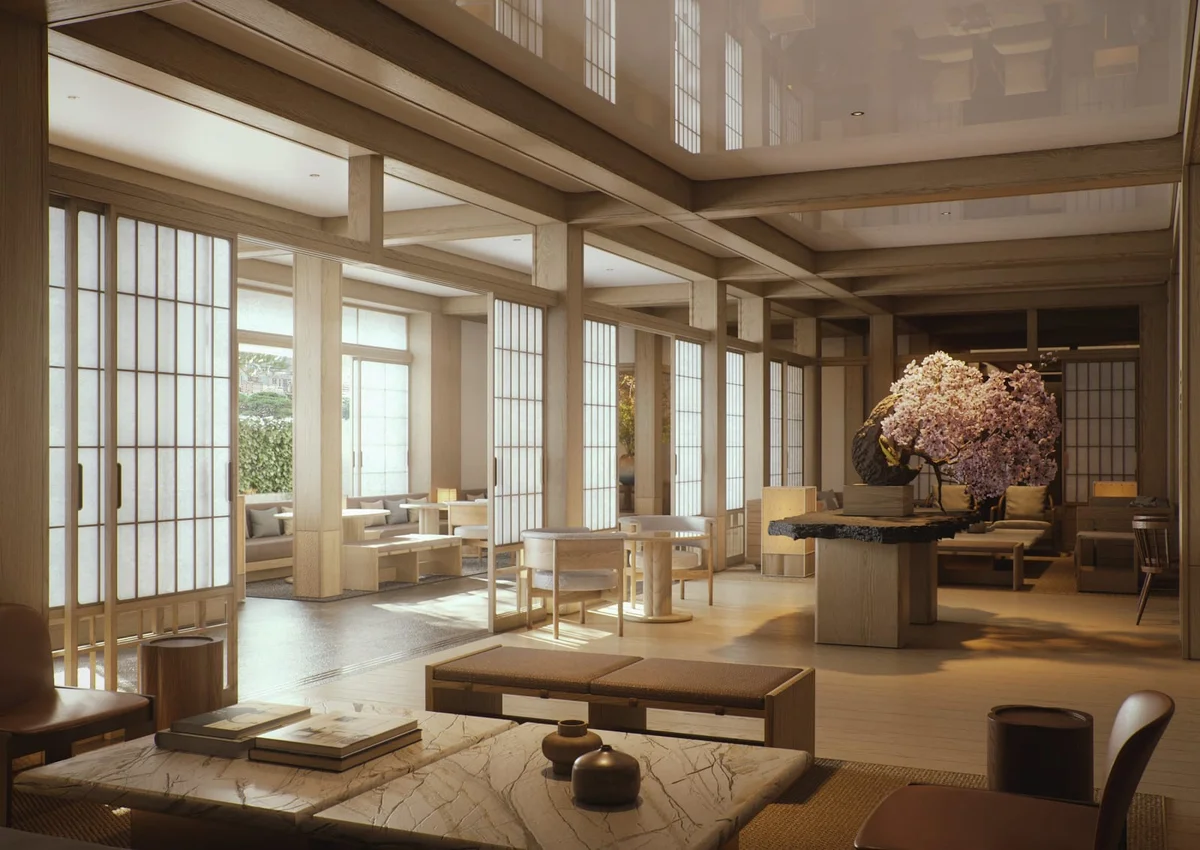
Capella Kyoto
When you book Capella Kyoto in Kyoto, Japan through our Virtuoso partnership, your stay includes daily breakfast, room upgrades and a $200 hotel credit.
Special Offer
Your Capella Sojourn Includes: + Choice of Capella Curates experiences + Omakase dinner at Japanese Restaurant for two + Daily breakfast for two + 60-minute Auriga Spa treatment for two + A limited-edition hotel gift featuring a handcrafted memento from Kyoto's artisan community
Exclusive Booking Perks
- Upgrade on arrival, subject to availability
- Daily Full breakfast for up to two guests per bedroom, served in the restaurant and via in-room dining
- $100 USD equivalent Resort or Hotel credit to be utilized during stay (not combinable, not valid on room rate, no cash value if not redeemed in full)
- Bookings in our Junior Suite or higher cateogies will receive an additional $100 Resort or Hotel credit (for a total of $200 during stay)
- Stays of 7+ nights will receive an additional $200 Resort or Hotel credit (for a total of $300 during stay, $400 for Junior Suite and higher bookings)
- Early check-in / Late check-out, subject to availability
Location
Capella Hotels, founded by former Ritz-Carlton president Horst Schulze, occupies architecturally significant buildings worldwide and assigns each guest a personal assistant. The brand's small portfolio prioritizes cultural immersion and a staff-to-guest ratio that makes genuine personalization possible rather than aspirational.
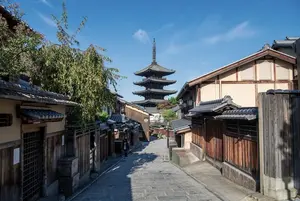
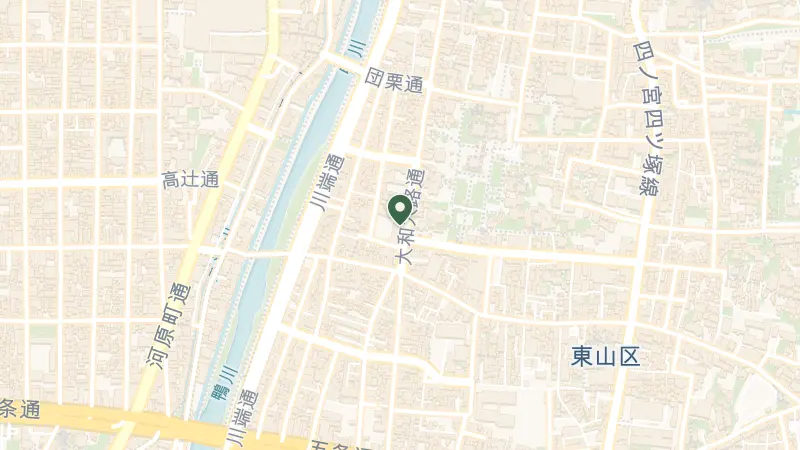
Kyoto has been Japan's spiritual and aesthetic heart since 794, when Emperor Kanmu established Heian-kyō along the Kamo River following the feng shui principles of ancient Chinese capitals. For eleven centuries emperors ruled from here, and the city still moves to a rhythm shaped by temple bells, seasonal festivals, and the rustle of silk through narrow machiya-lined streets. The Higashiyama Ward rises against the eastern mountains where the property sits, a district of stone-paved lanes, vermilion shrine gates, and wooden teahouses that have served matcha to pilgrims for centuries. Gion's geisha district lies minutes west, its ochaya (teahouses) glowing behind latticed windows after dark.
Osaka Itami International Airport sits thirty-nine kilometres away, with direct airport bus service to central Kyoto. Kansai International Airport, eighty kilometres south, connects to Kyoto Station via the JR Haruka express in under ninety minutes.
Within a few hundred metres, three Michelin three-star restaurants define Kyoto kaiseki at its highest expression. Gion Sasaki sits just down the lane, where chef Hiroshi Sasaki and his apprentices pursue a disciplined quest to create flavours that honour the seasons without unnecessary elaboration. A kilometre east, Kikunoi Honten has anchored the district since Yoshihiro Murata began weaving Western ingredients into traditional ryotei presentations, spreading the gospel of Kyoto cuisine globally while maintaining the grace of formal multicourse dining. Mizai, equally close, unfolds in near-silence under the flicker of votive lanterns; chef Hitoshi Ishihara's Zen-inflected cooking reflects years spent polishing both technique and philosophy in temple kitchens. Book well ahead for any of them, especially during cherry blossom and maple seasons when demand surges.
The Historic Monuments of Ancient Kyoto, a UNESCO World Heritage designation encompassing seventeen temples, shrines, and castles, begins two kilometres away and radiates across the city. Walk to Kiyomizu-dera's wooden stage cantilevered over the valley, then descend through the Higashiyama cobblestone alleys to Nishiki Market, less than a kilometre west, where vendors have sold tsukemono pickles, yuba tofu skin, and fresh wasabi root for four centuries. The Otowa Waterfall spills into three streams near Kiyomizu-dera, each believed to grant a different blessing; choose one and drink from a long-handled ladle.
Winter (December through February) brings high-season temple visits under pewter skies, with highs near eight degrees and occasional dustings of snow that turn moss gardens into ink paintings. The chill makes indoor tea ceremonies particularly appealing, and crowds thin noticeably after New Year.
Spring (March through May) is Kyoto's emotional crescendo. Cherry blossoms blanket the Philosopher's Path in early April, followed by wisteria and azalea. Temperatures climb from twelve degrees in March to the low twenties by May, but June's rainy season (tsuyu) arrives with humidity and near-daily showers. July and August turn hot and sticky, with highs above thirty degrees, though evening river-breeze dining along the Kamo remains a tradition.
Autumn (September through November) rivals spring for beauty as maples ignite across temple grounds in November, drawing enormous crowds. Temperatures fall from the high twenties in September to mid-teens by November's end, and the light takes on a golden clarity that photographers chase obsessively.
Frequently Asked Questions
Free service · No obligation
Request a Quote 118 Bib Gourmand