Aman Kyoto
When you book Aman Kyoto in Kyoto, Japan through our Virtuoso partnership, your stay includes daily breakfast, room upgrades and a $100 hotel credit.
Exclusive Booking Perks
- Upgrade on arrival, subject to availability
- Daily breakfast for up to two guests per bedroom, served in the restaurant (already included in property rates)
- $100 USD equivalent Resort or Hotel credit to be utilized during stay (not combinable, not valid on room rate, no cash value if not redeemed in full)
- Early Check-In / Late Check-Out, subject to availability
Location
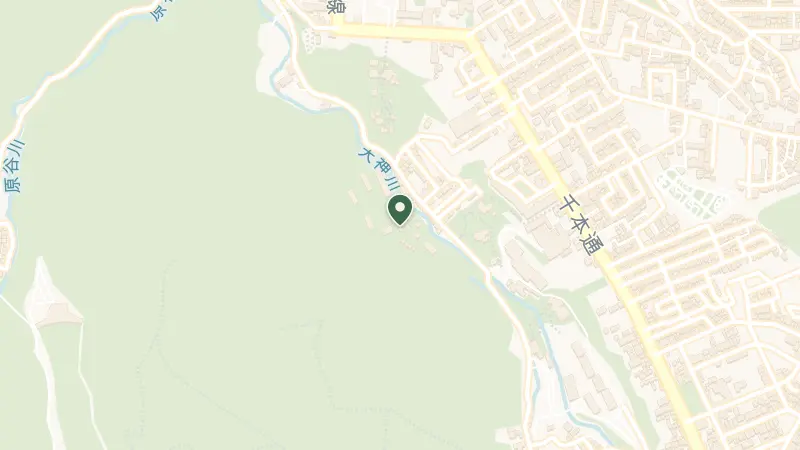
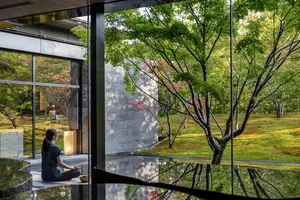
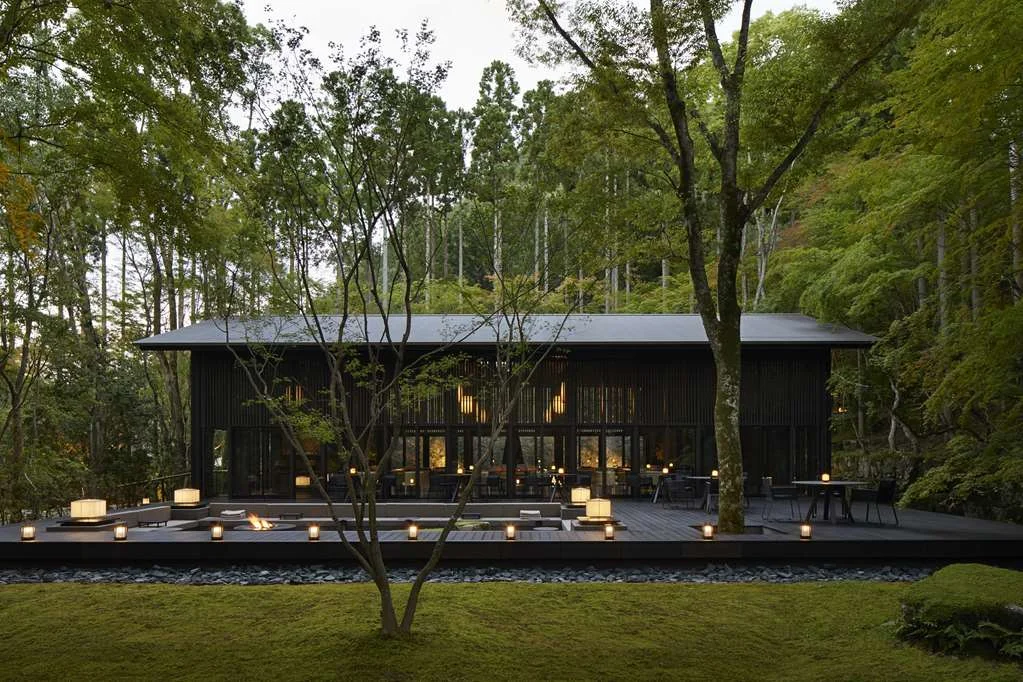
Aman properties occupy places where nature and history overlap, and this retreat in Kyoto's northern Takagamine-Koetsucho district honours that principle completely. The forested hillsides here, once the domain of Edo-period artists and tea masters, feel worlds removed from the city centre despite being within reach. Moss grows thick on stone, streams thread through the understory, and the air smells of cedar and damp earth.
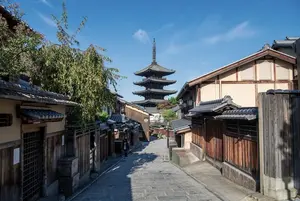
Kyoto itself was laid out in 794 as an imperial capital modelled on Chinese geomancy, its grid spreading across the basin below the northern mountains. For over a millennium, emperors ruled from here, leaving behind a density of temples, shrines, and gardens that earned UNESCO recognition. The Kamo River slices through the city, and the old merchant districts near Nishiki Market still hum with the trade in pickles, knives, and tofu skin.
From Takagamine, you are close enough to reach Gion's teahouses and the Historic Monuments of Ancient Kyoto, yet the neighbourhood itself remains quiet, residential, touched by the presence of Kinkaku-ji and Ryoan-ji to the south. Osaka Itami International Airport lies 40 kilometres southwest, with trains and taxis connecting to the city in under an hour.
The property sits within the forested hills where contemplation takes priority over distraction. Venture down to the city and Nishiki Market, six kilometres south, reveals Kyoto's culinary backbone: stalls piled with tsukemono, yuzu, and dried bonito shavings under a vaulted arcade that has fed the city for four centuries. For Michelin-starred kaiseki, Isshisoden Nakamura (three stars, 5.5 kilometres away) traces its origins to a Wakasa Bay fishmonger and now serves a tasting menu built around seasonal seafood, each course a study in restraint. Hyotei, 6.7 kilometres distant and also holding three stars, embodies wabi-sabi: moss-draped stone lanterns, streams channelled from Lake Biwa, and a tea arbour where silence is part of the meal. Book a table at Gion Sasaki (three stars, seven kilometres) to witness chef Hiroshi Sasaki and his apprentices compete quietly to refine each dish.
The Ryumon Taki waterfall, 1.2 kilometres from the property, offers a forested walk where water tumbles over mossy rock, and the UNESCO-listed temples of Ancient Kyoto, nine kilometres south, anchor your understanding of the city's millennium-long spiritual architecture.
Winter wraps Kyoto in cold clarity, temperatures hovering near freezing at dawn, the city gardens stark and sculptural under occasional dustings of snow. Spring arrives with sudden warmth in April, cherry blossoms erupting along the Philosopher's Path and temple courtyards turning pale pink for a brief, fevered week. Early summer brings heavy rains in June, the streets slick and quiet, moss deepening to emerald.
July and August turn hot and humid, the basin trapping heat above 30 degrees, though the northern hills catch slightly cooler air. Autumn is the season Kyoto was designed for: October and November paint the maple groves scarlet and gold, the light slanting low through temple eaves, and the crowds return in force.
Visit in late November for the colour without the August swelter.
Frequently Asked Questions
Free service · No obligation
Request a Quote 117 Bib Gourmand