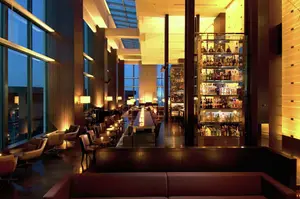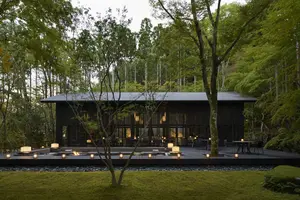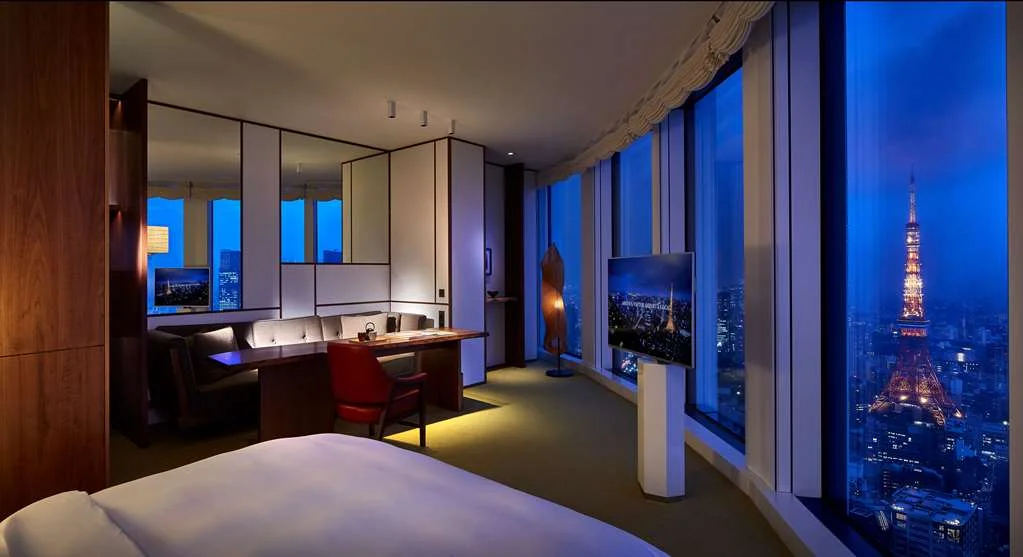
Andaz Tokyo Toranomon Hills - A Concept by Hyatt
When you book Andaz Tokyo Toranomon Hills - A Concept by Hyatt in Tokyo, Japan through our Virtuoso partnership, your stay includes daily breakfast, room upgrades and a $100 hotel credit.
Exclusive Booking Perks
- Upgrade on arrival, subject to availability
- Daily Buffet breakfast for up to two guests per bedroom, served in the restaurant
- $100 USD equivalent Food & Beverage credit utilized during stay (not combinable, not valid on room rate, no cash value if not redeemed in full)
- Early Check-In / Late Check-Out, subject to availability
Location
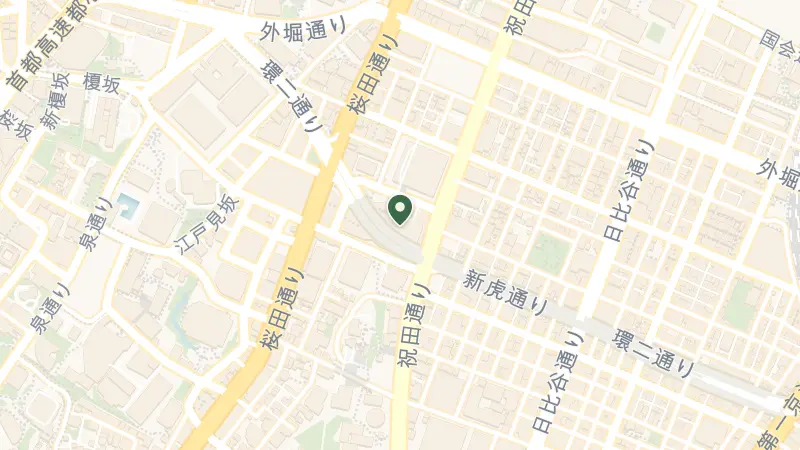
Andaz brings its philosophy of "personal style" to Tokyo through a lens that prioritizes cultural immersion over formality, with locally inspired art installations and an approach that strips away the barriers of traditional luxury hospitality. The property sits in Toranomon, a district that blends government offices and corporate headquarters with historic shrines and the quiet confidence of central Tokyo. This is a neighbourhood where bureaucrats and business leaders move through streets that have witnessed the city's transformation from Edo-period castle town to hypermodern capital.
Walk south from the hotel and you'll reach the tree-shaded grounds of Zōjō-ji, a Buddhist temple that predates the Tokugawa shogunate and stands in deliberate contrast to the glass towers that now dwarf its gates. The noren curtains of neighborhood izakaya hang alongside international embassies. Toranomon means "Tiger's Gate", named for a defensive position in the old castle fortifications that once ringed the Imperial Palace.
Haneda Airport lies thirteen kilometres south across Tokyo Bay, connected by the Tokyo Monorail and Keikyu Line. Narita International Airport, fifty-nine kilometres northeast, serves long-haul international routes. Both link to the city's labyrinthine subway and rail networks.
Kanda, two hundred metres from the property, holds three Michelin stars for Hiroyuki Kanda's approach to Japanese cooking that honours his Tokushima roots through indigo-dyed noren, regional sakes, and Awa beef. The chef's restraint, his belief in selecting ingredients carefully and applying minimal preparation, produces kaiseki that feels inevitable rather than constructed. Book a table at Harutaka, nine hundred metres away, where Harutaka Takahashi applies the discipline he learned at Sukiyabashi Jiro to nigiri service that balances reverence with personality. L'OSIER, named for the willow trees that once lined Ginza's streets, earned its three stars through French technique that adapts to Japanese seasonality; a glass willow artwork greets arrivals just over a kilometre south.
The Tsukiji Outer Market, nearly two kilometres southwest, remains the city's most visceral food education even after the wholesale auctions relocated. Vendors grill hokkaido scallops over charcoal, slice sashimi to order, and sell tamago so silky it trembles on the plate. Odaiba Beach, across the Rainbow Bridge four and a half kilometres southeast, offers manufactured sand and views back toward the city skyline. The Tokyo Imperial Palace grounds anchor the city's symbolic heart to the north, though the palace itself remains closed to visitors except on rare public days.
Winter months from December through February bring high-pressure systems that deliver crisp, dry air and temperatures that rarely drop below freezing. The light turns sharp and clean, ideal for walking through temple grounds where frost clings to stone lanterns. Spring arrives with plum blossoms in February, followed by the cherry blossom surge that transforms parks and riverbanks into temporary celebrations from late March through early April; temperatures climb from twelve to eighteen degrees as the city shakes off winter's formality.
The rainy season, tsuyu, settles over Tokyo in June with persistent humidity and grey skies that can last three weeks. July and August follow with heat that sends locals underground into air-conditioned subway stations and department store basements, though summer festivals, fireworks over the Sumida River, and evening izakaya crowds animate the streets after dark. September holds onto summer's warmth while typhoons track north across the Pacific.
Autumn, from October through November, rivals spring for travel appeal as temperatures drop into the mid-teens and ginkgo trees lining avenues turn electric yellow. The air loses its weight, and temple gardens stage their koyo displays of crimson maples against raked gravel.
Frequently Asked Questions
Free service · No obligation
Request a Quote 113 Bib Gourmand