Patina Osaka
When you book Patina Osaka in Osaka, Japan through our Virtuoso partnership, your stay includes daily breakfast, room upgrades and a $100 hotel credit.
Exclusive Booking Perks
- Upgrade on arrival, subject to availability
- Daily Full breakfast for up to two guests per bedroom, served in the restaurant
- $100 USD equivalent Resort or Hotel credit to be utilized during stay (not combinable, not valid on room rate, no cash value if not redeemed in full)
- Bookings in our Suites will receive an additional $100 Resort or Hotel credit (for a total of $200 during stay)
- Early check-in / Late check-out, subject to availability
Location
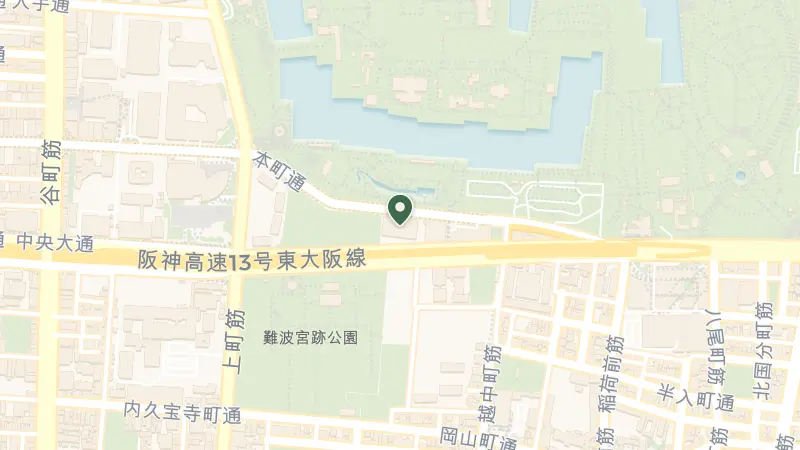
Patina Osaka brings a contemporary sensibility to Japan's third-largest city, a place where the pace quickens and the formality loosens compared to Tokyo or Kyoto. The property stands in Chūō Ward, close to the historic core where Osaka served briefly as imperial capital in the 7th and 8th centuries before growing into the commercial powerhouse that earned it the nickname "nation's kitchen" during the Edo period. The Higashi-Yokobori River traces quiet channels through this district, remnants of the castle moat system that once defined the city's geography.
The neighbourhood pulses with a different energy than Japan's more reserved capitals. Osakans speak louder, laugh more freely, and take their street food seriously. The castle district blends carefully preserved heritage with the postwar redevelopment that shaped modern Osaka, creating layers of eras visible in a single sightline: stone ramparts from the 16th century, mid-century concrete, glass towers catching the light off Osaka Bay.
Three airports serve the Keihanshin Metropolitan Area. Osaka Itami International Airport lies 13 kilometres north, handling domestic routes and some regional flights. Trains and taxis connect the city centre in under 30 minutes, while Kansai International Airport, 38 kilometres south on a man-made island in the bay, serves long-haul international arrivals.
The city's culinary reputation rests on more than marketing. Taian, a three-Michelin-starred Japanese restaurant 1.9 kilometres away, occupies a modest space that recalls the tea ceremony's paradox: smallness made boundless through precision. The name means "big hut", and the clean, spare room delivers kaiseki with exceptional restraint. Book weeks ahead. HAJIME, 2.7 kilometres distant and also holding three stars, takes a different approach. An artwork resembling Earth dominates the dining room, each overlapping image representing cuisine from around the world. Chef HAJIME Yoneda calls this "dialogue with the Earth", a philosophy that yields innovative, visually arresting courses. For Japanese tradition guided by the twenty-four seasons, Kashiwaya Osaka Senriyama awaits 10.1 kilometres north in Senriyama, where Hideaki Matsuo has held three Michelin stars for years.
Kuromon Ichiba Market, 2.5 kilometres south, has fed Osaka since the Edo period. The covered arcade runs for six hundred metres, stalls piled with Kansai produce, sashimi-grade tuna, live king crab, and takoyaki grilled to order. The scent of grilling seafood and miso broth fills the narrow lanes. Start early before the tour groups arrive.
Winter arrives sharp and dry. January mornings hover near freezing, the sky a pale ceramic blue. The bare ginkgo trees along the riverbanks stand stark against modernist concrete, and the city's neon signs seem brighter in the cold air. Plum blossoms open in late February, signalling the slow climb toward spring.
March through May brings the warmth back in stages. Cherry blossoms peak in early April, petals drifting across the castle grounds and collecting in the moat channels. May turns humid, temperatures climbing into the low twenties, the prelude to tsuyu, the rainy season that drenches June with monsoon rains and makes umbrellas a permanent accessory. July and August bake under fierce sun, highs above 30 degrees, the air thick enough to taste. September holds onto summer's heat while typhoons occasionally sweep through, scattering leaves and clearing the humidity for a day or two.
October offers the year's best conditions: mild days, clear skies, the maples beginning their slow turn to crimson. November sharpens into proper autumn, cool evenings perfect for wandering the riverside, before December's chill settles in once more.
Frequently Asked Questions
Free service · No obligation
Request a Quote 121 Bib Gourmand