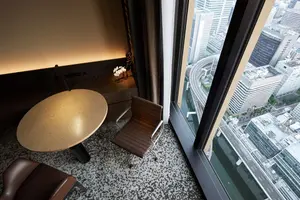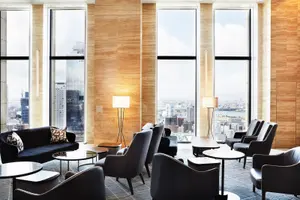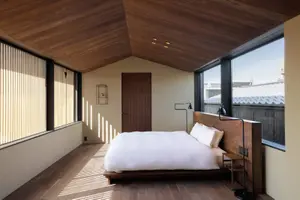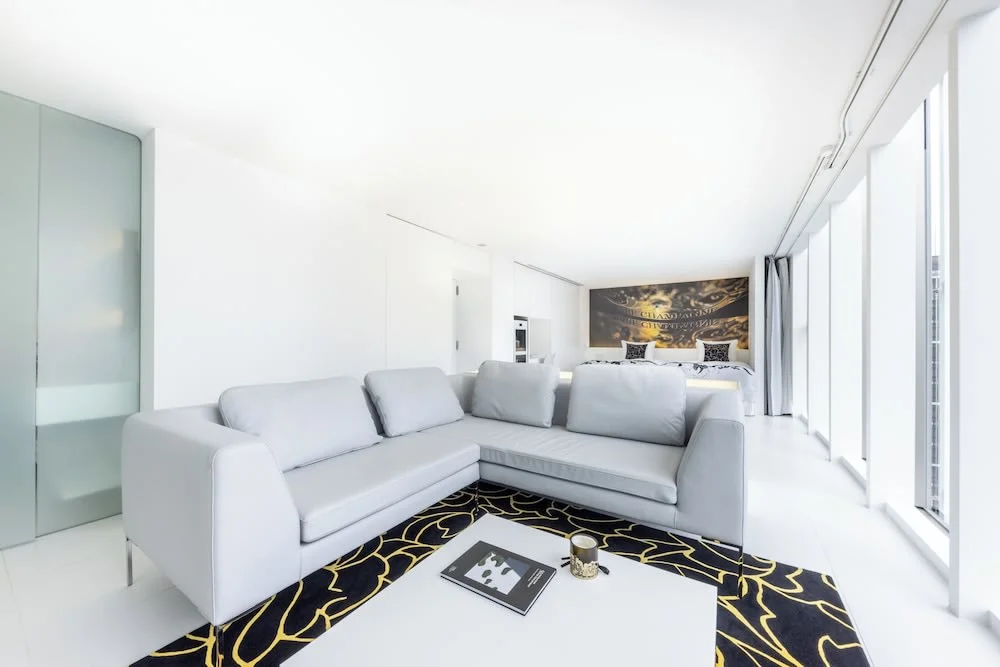
Cuvée J2 Hôtel Osaka by ONKOCHISHIN - Adults Only
When you book Cuvée J2 Hôtel Osaka by ONKOCHISHIN - Adults Only in Osaka, Japan through our withIN by SLH partnership, your stay includes daily breakfast, room upgrades and a hotel credit.
Exclusive Booking Perks
- A credit worth $50-$100 (USD) per room, per stay to be spent only on extras such as F&B or Spa, only on property and during the stay
- Daily Continental breakfast for two people
- Room upgrade to next room category, subject to availability at the time of check-in
- Early check-in, subject to availability at the time of check-in
- Late check-out, subject to availability
Location
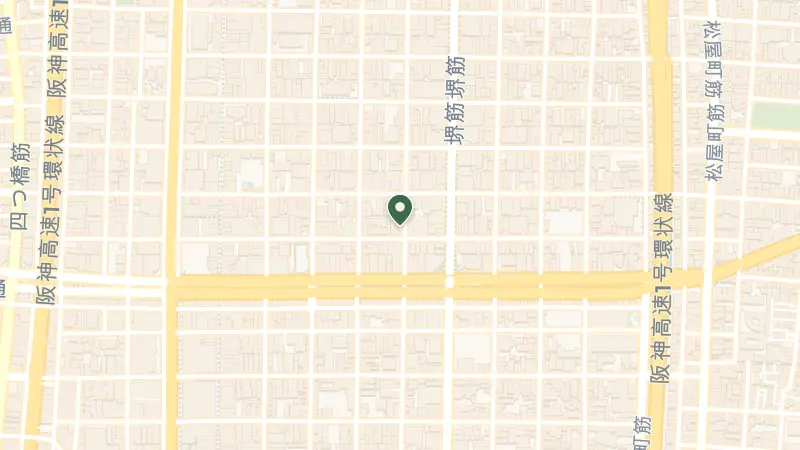
The property sits in Minamisenba, Chūō Ward, the commercial and cultural heart of Osaka. This is a city that traded its way to prosperity long before Tokyo dominated, and the legacy shows in the wide avenues, the density of independent boutiques, and the sheer number of kitchens producing food that Osakans will argue, rightly, surpasses anything in the capital. Minamisenba bridges the shopping energy of Shinsaibashi with the culinary theatre of Dōtonbori, where neon signs ripple across the Dōtonbori River and the smell of grilled takoyaki drifts from every corner. Walk east and you reach Sennichimae, where old kissaten coffee houses and standing bars still outnumber chains.
Osaka's roots run deep. By the seventh century it served briefly as imperial capital, and during the Edo period it became the nation's economic engine, a merchant city that coined the phrase "Osaka, the nation's kitchen." That mercantile pragmatism still defines the place: less formal than Kyoto, more gregarious than Tokyo, with a dialect and a rhythm entirely its own.
Osaka Itami International Airport lies thirteen kilometres north, connected by frequent limousine buses that reach central Chūō in under an hour. Kansai International Airport, thirty-seven kilometres south across the bay, offers direct train links via the Nankai and JR lines.
Osaka's Michelin presence is formidable, and three three-star establishments anchor the city's culinary reputation. Taian, four hundred metres from the hotel, inhabits a cosy, almost austere space that recalls the tea ceremony's paradox: modesty that somehow feels limitless. Book a table at HAJIME, 1.6 kilometres south, where an artwork resembling Earth dominates the dining room and chef HAJIME Yoneda builds menus around the theme "Dialogue with the Earth," tracing ingredients to their origins. Kashiwaya Osaka Senriyama, 10.5 kilometres north, expresses traditional Japanese culture through Hideaki Matsuo's interpretation of the twenty-four micro-seasons that structure the agricultural year.
Kuromon Ichiba Market, 1.2 kilometres southeast, has served the city for nearly two centuries. Its covered arcades hold over one hundred stalls selling seasonal fish, Wagyu cuts, and ready-to-eat street food including fugu sashimi and grilled scallops. Start with a late breakfast of fresh uni or tamago. Beyond food, the Historic Monuments of Ancient Nara, thirty-one kilometres east, include eighth-century temples and the grounds of Tōdai-ji, home to a fifteen-metre bronze Buddha.
Winter, December through February, brings clear skies and temperatures hovering near eight degrees. The air is dry, the light sharp, ideal for walking Osaka's neighbourhoods without the press of high-season crowds.
Spring arrives gently. March warms to the mid-teens, and by April cherry blossoms erupt along the riverbanks and castle moats. This is Osaka at its most visited, the parks thick with hanami picnics, but the energy is infectious.
Summer is hot and sticky. July and August push past thirty degrees with humidity that makes umbrellas as common for sun as for the afternoon downpours. Autumn redeems everything: September cools gradually, October settles into comfortable sweater weather, and November brings the maples into full colour without the extremes of summer or winter.
Frequently Asked Questions
Free service · No obligation
Request a Quote 121 Bib Gourmand