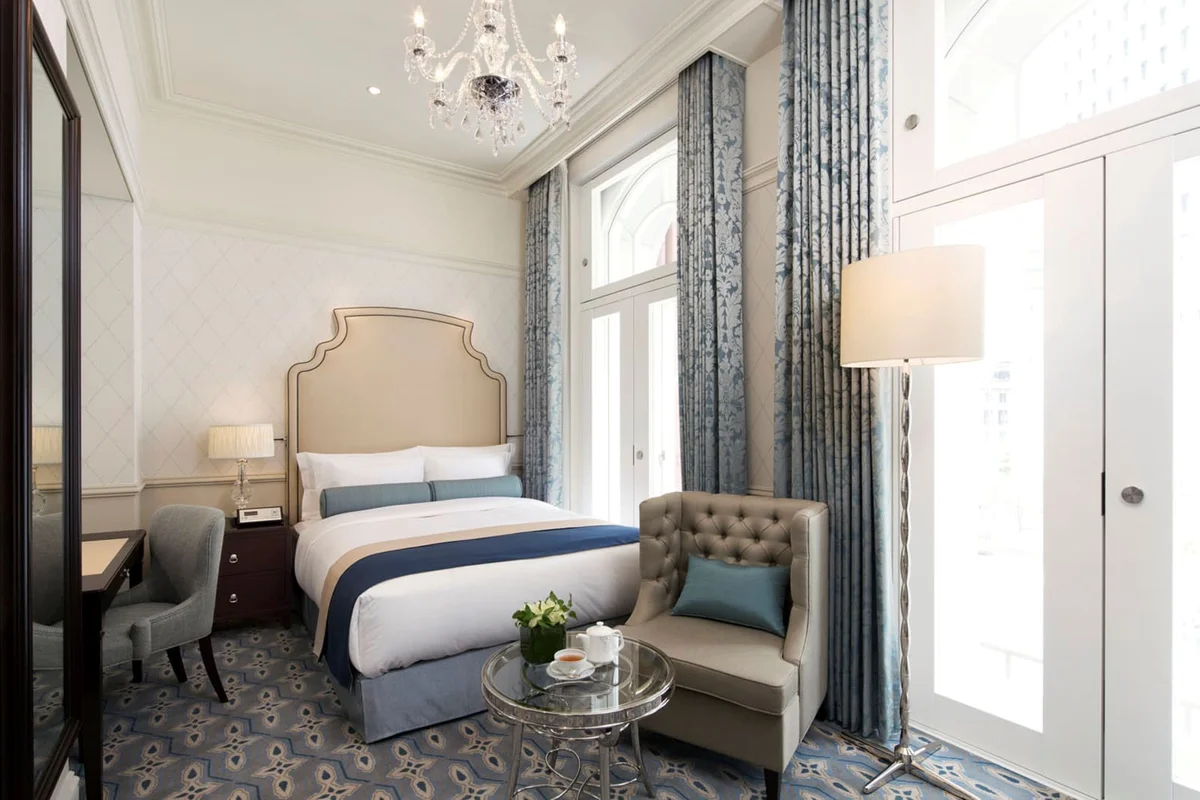
The Tokyo Station Hotel
When you book The Tokyo Station Hotel in Tokyo, Japan through our withIN by SLH partnership, your stay includes daily breakfast, room upgrades and a hotel credit.
Exclusive Booking Perks
- A credit worth $50-$100 (USD) per room, per stay to be spent only on extras such as F&B or Spa, only on property and during the stay
- Daily Continental breakfast for two people
- Room upgrade to next room category, subject to availability at the time of check-in
- Early check-in, subject to availability at the time of check-in
- Late check-out, subject to availability
Location
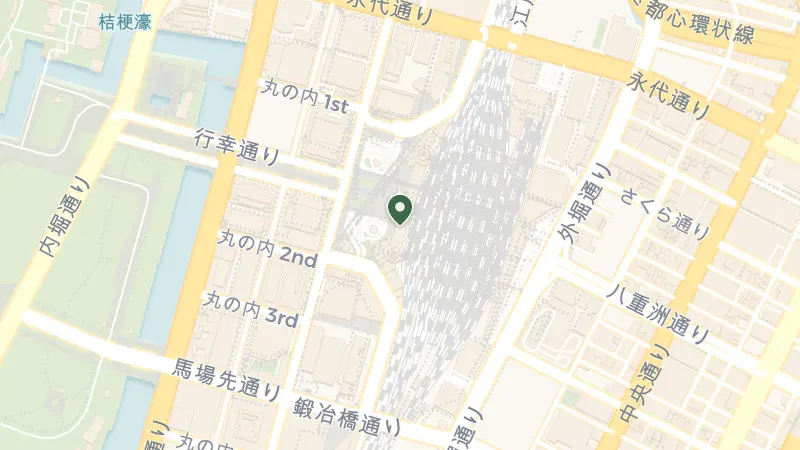
The Tokyo Station Hotel resides within the shell of Tokyo Station itself, a red-brick landmark completed in 1914 and painstakingly restored after decades of wear and wartime damage. The building's European Renaissance revival facade anchors Marunouchi, the city's central business district where glass towers rise behind turn-of-the-century stone and the Imperial Palace moat lies just minutes to the west. Stepping out onto the station plaza, you're immediately in the city's circulatory system: salarymen in dark suits stream toward office blocks, while tourists crane their necks at the station's domed ceilings and terracotta detailing. The Marunouchi side offers tree-lined avenues, department stores, and the quiet grandeur of government buildings; cross through the station concourse to Yaesu, and the energy shifts to pachinko parlours and late-night izakaya.
The neighbourhood blends imperial dignity with relentless commercial momentum. Cherry trees along the palace grounds bloom pale pink in spring; in autumn, gingko leaves turn the avenues gold. The Imperial Palace East Gardens open to the public most days, revealing stone foundations of Edo Castle and immaculate gravel paths. Haneda Airport lies fifteen kilometres south, reachable by monorail and train in under half an hour; Narita, farther northeast at fifty-seven kilometres, requires an hour-long express ride but feeds directly into Tokyo Station's subterranean rail network.
Tokyo's constellation of Michelin-starred dining begins within walking distance. RyuGin, one kilometre east, holds three stars for Seiji Yamamoto's rigorous exploration of Japanese technique: he grills over charcoal with surgical precision, presenting fugu and seasonal ingredients with a scientist's curiosity. L'OSIER in Ginza, just over a kilometre away, interprets French contemporary cuisine beneath a glass willow sculpture, honouring the district's vanished trees. Book a table at Harutaka, 1.4 kilometres distant, where Harutaka Takahashi shapes sushi with discipline learned under Sukiyabashi Jiro. The station itself conceals an entire underground city: ramen counters, tempura stands, and ekiben stalls selling regional bento boxes for the shinkansen platform.
The Imperial Palace East Gardens occupy former castle grounds a short walk west, where edo-era stone walls rise above wide moats and koi glide beneath wooden bridges. Ameya-Yokochō, three kilometres north in Ueno, sprawls as a covered market dense with dried seafood, spices, and Korean kimchi vendors shouting over each other. Ginza's polished boulevards stretch southeast, lined with art galleries and flagship stores; Nihonbashi, the old merchant quarter, preserves its historic bridge and traditional confectionery shops. Don't miss the Tsukiji Outer Market, a short subway ride south, where stalls sell tamagoyaki, grilled scallops, and tuna sashimi by mid-morning.
Winter light slants low and crystalline across the city, temperatures hovering near freezing at night but rarely dipping below zero during the day. The air stays dry, the skies often cloudless, and heated trains offer relief between neighbourhoods. Spring arrives with sudden warmth in April, cherry blossoms carpeting the palace grounds in pale pink before scattering like snow.
Summer tilts humid and oppressive, the mercury climbing past thirty degrees while cicadas shriek from every tree. September brings typhoon rains and lingering heat, but by October the air clears and temperatures settle into the low twenties, ideal for wandering temple precincts and covered arcades. Autumn foliage peaks in late November, gingko avenues turning gold beneath slate skies.
Frequently Asked Questions
Free service · No obligation
Request a Quote 113 Bib Gourmand