Park Hyatt Tokyo
When you book Park Hyatt Tokyo in Tokyo, Japan through our Hyatt Privé partnership, your stay includes daily breakfast, room upgrades and a hotel credit.
Exclusive Booking Perks
- Welcome amenity provided to guests upon arrival.
- Daily complimentary full breakfast at a hotel restaurant for up to two guests.
- Property credit (value varies by property).
- Priority for room upgrade (response within 24 hours of booking, subject to forecasted occupancy).
- Early check-in/late check-out/connecting rooms (response within 24 hours of request, subject to forecasted occupancy).
Location
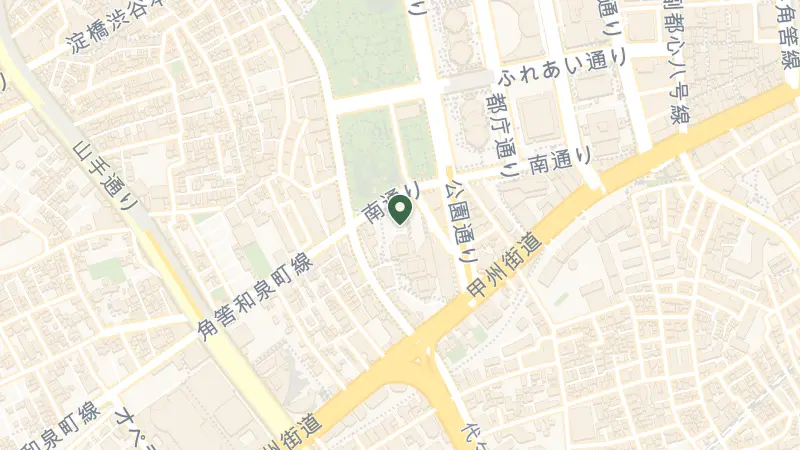
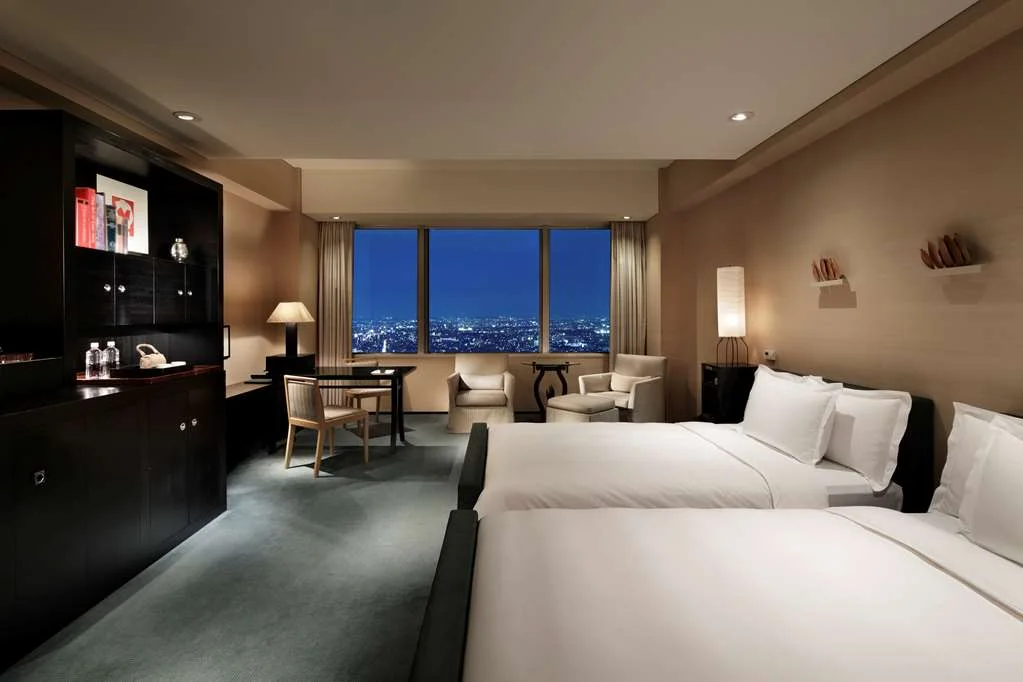
Park Hyatt anchors a quieter corner of Nishi-Shinjuku, where glassy towers rise above the perpetual hum of the world's most populous metropolitan area. This is Tokyo's administrative heart, a district of broad avenues and soaring office blocks, yet the brand's residential philosophy brings an unexpected intimacy to the cityscape. The property offers curated art and a service approach that prioritizes personal connection over ceremony, hallmarks of Park Hyatt's global portfolio.
Below, Shinjuku Station churns with three million daily commuters, while the neon-lit entertainment district sprawls eastward in a riot of izakayas and karaoke parlors. Westward, the glass canyons give way to the leafy respite of Shinjuku Gyoen National Garden, where Edo-period landscaping meets French formal design.
The Imperial Palace lies five kilometres east in Chiyoda, its moated grounds a silent counterpoint to the city's relentless energy. Haneda Airport sits eighteen kilometres south across Tokyo Bay, connected by express trains that slice through the urban grid in under thirty minutes.
The property's rooftop bar and destination restaurant reflect Park Hyatt's philosophy of noted chefs and elevated dining, though Tokyo's Michelin constellation rewards venturing farther afield. L'Effervescence, a three-starred French sanctuary 3.9 kilometres distant, embodies Shinobu Namae's ichiza-konryu philosophy, forging connections between producers and plate through prix fixe menus that honour Japanese terroir. Book a table at Myojaku, four kilometres away, where Hidetoshi Nakamura seasons minimally and draws out each ingredient's essence using submarine spring water from deep beneath the ocean floor. Kagurazaka Ishikawa, 4.7 kilometres north, pursues mui-shizen: Hideki Ishikawa's presentations are studies in restraint, letting nature speak without artifice.
Closer in, the Aoyama Farmers Market three kilometres south gathers small-scale growers selling seasonal produce and artisanal preserves each weekend. The Tokyo Metropolitan Government Building offers free observatory access, while Shinjuku Gyoen's cherry groves and teahouses provide a meditative counterpoint to the district's glass-and-steel density.
Winter brings crystalline days with temperatures hovering near freezing at dawn, climbing to eight or nine degrees by afternoon. The light is sharp, the air dry, and Mount Fuji appears on the horizon with startling clarity. Cherry blossoms arrive late March, drawing crowds to Shinjuku Gyoen as temperatures lift into the mid-teens.
June through September is the rainy season, when humidity blankets the city and typhoons rake the coast; August peaks near thirty degrees with thick, soupy air. October is the sweet spot: clear skies, foliage turning russet in temple gardens, temperatures dropping into the high teens.
November through early March offers the most comfortable exploration, though winter's chill demands layering.
Frequently Asked Questions
Free service · No obligation
Request a Quote 113 Bib Gourmand