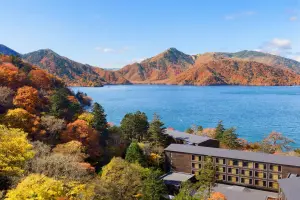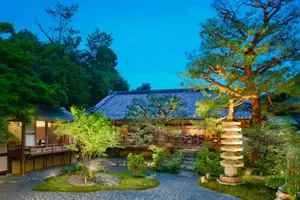
The Tokyo EDITION, Ginza
When you book The Tokyo EDITION, Ginza in Tokyo, Japan through our Marriott Stars partnership, your stay includes daily breakfast, room upgrades and a $100 hotel credit.
Special Offer
10% off Includes STARS Program Amenities: + Personalized welcome amenity + Complimentary breakfast daily for two guests per room + $100 USD hotel credit (once per stay) + Early check-in and late check-out (when available) + Complimentary upgrade (if available at check-in) Based on a minimum two consecutive night stay. Valid until September 30, 2026.
Exclusive Booking Perks
- Personalized and customized amenity
- Complimentary breakfast daily for two guests per room
- All STARS hotels offer a hotel credit valued at $100 USD (once per stay)
- Early check-in and late check-out (when available)
- Complimentary upgrade (if available at check-in)
Location
EDITION brings Ian Schrager's vision of social luxury to Tokyo: properties designed around lobby scenes that pulse with energy, food and beverage concepts that draw locals and travelers alike, and rooms that strip away excess to reveal what hospitality truly needs. The brand speaks to guests who measure a stay by the quality of its restaurant reservations and the texture of its nightlife, not the thread count alone.
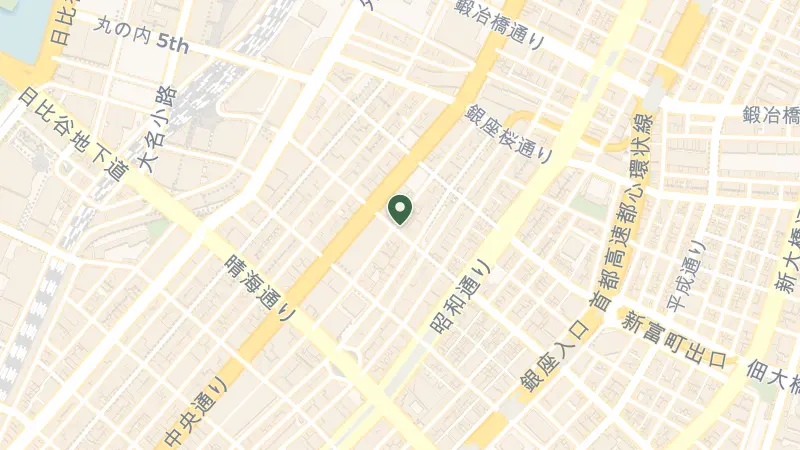
Ginza is Tokyo's original stage for aspiration. Broad boulevards lined with department stores that resemble palaces, side streets where single-minded artisans have held the same counter seats for forty years, and a grid system borrowed from the West but tuned to Japanese precision. The neighbourhood hums with the particular energy of luxury retail by day: uniformed elevator operators in white gloves, basement food halls where fruit costs more than dinner elsewhere, glass towers housing single-brand flagships. After dark, the lanterns of izakaya spill warm light onto the pavement, and the ninth-floor whisky bars reveal themselves only to those who know which unmarked doors to push.
The Imperial Palace grounds lie two kilometres north, their moats and stone walls a counterpoint to Ginza's vertical ambition. Tokyo Bay stretches to the east, visible from the upper reaches of the district's towers. Haneda Airport sits fourteen kilometres south, reachable in under thirty minutes by rail or car depending on traffic and hour.
Ginza Shinohara operates on-site with two Michelin stars, channelling chef Shinohara's Kyoto training and Shiga roots into dishes that honour rural Japanese memory: the first shoots of spring plants, the quiet presence of game, the hillscape seasons rendered as omakase. IMPERIAL TREASURE, also on-site, exports Singaporean refinement of Chinese technique with Peking duck and suckling pig stuffed with sticky rice, served in semi-private rooms that favour intimacy over spectacle. Book a table at L'OSIER, 700 metres away, where three Michelin stars and a glass willow tree greet arrivals at one of Tokyo's most enduring French kitchens, named for the willows that once defined this district.
The broader neighbourhood rewards walking. Tsukiji Outer Market, 1.5 kilometres southeast, remains a morning pilgrimage for knife-sharp tuna and tamago thick as cake. Kabuki-za theatre, a short stroll south, stages afternoon performances with English subtitles for those new to the form. Odaiba Beach, 4.6 kilometres east across the bay, offers an oddly suburban stretch of sand with views back toward the city's container ports and Rainbow Bridge. The Tsukishima Second Children's Park Farmers Market, 1.7 kilometres distant, brings weekend stalls of regional produce to a riverside park.
Winter, December through February, sharpens the city into clarity: cold mornings near freezing, afternoons that barely reach ten degrees, and skies scrubbed blue by dry continental air. The low sun angles through the streets differently, and heating turns every doorway into a threshold you notice.
June ushers in tsuyu, the rainy season, with humidity that clings and near-daily showers. July and August turn sweltering, the air thick enough to slow your walking pace, though air-conditioned interiors provide relief. September still holds summer's heat but adds heavier rainfall as typhoons track north.
October and November deliver the city's finest hours: daytime temperatures in the teens to low twenties, maple trees firing red in temple courtyards, and evenings cool enough for wool. Spring, March through May, unfolds with plum blossoms in early weeks, cherry blossoms in late March or early April depending on the year's warmth, and a green rush that transforms every park by Golden Week in early May.
Frequently Asked Questions
Free service · No obligation
Request a Quote 113 Bib Gourmand