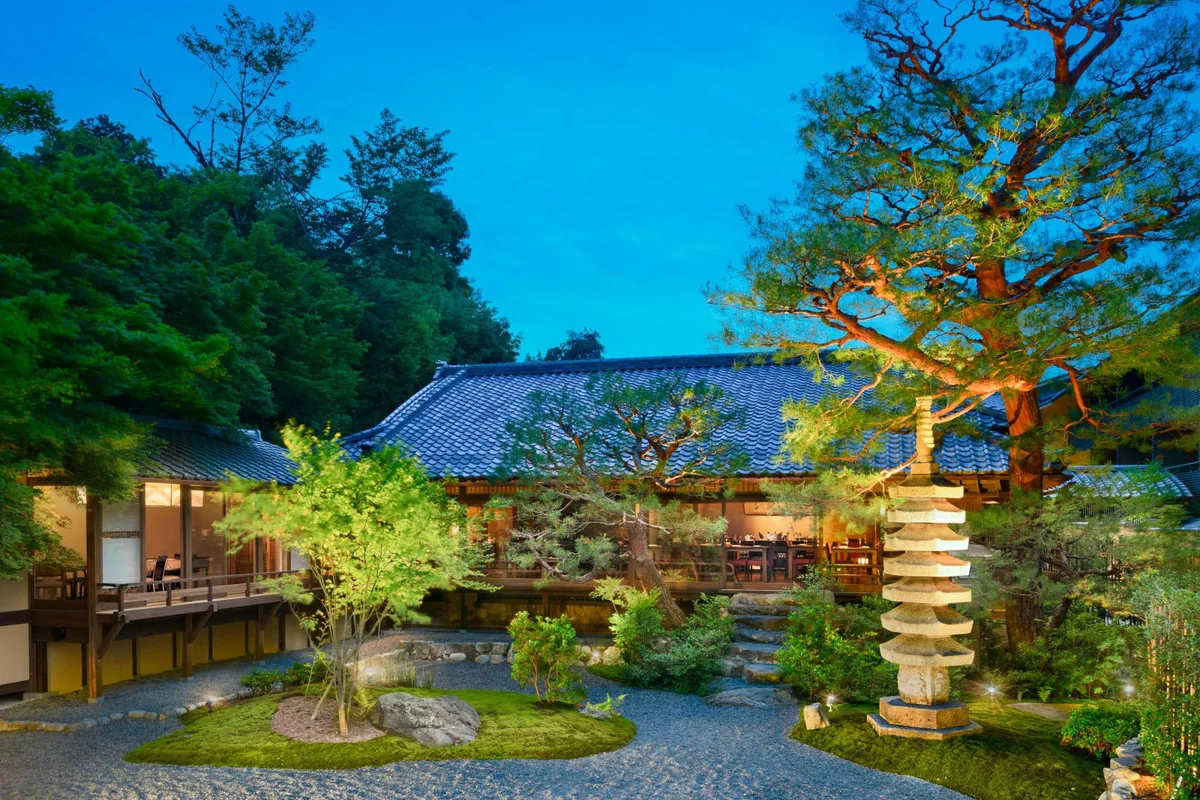
Suiran, A Luxury Collection Hotel, Kyoto
When you book Suiran, A Luxury Collection Hotel, Kyoto in Kyoto, Japan through our Marriott Stars partnership, your stay includes daily breakfast, room upgrades and a hotel credit.
Exclusive Booking Perks
- Personalized and customized amenity
- Complimentary breakfast daily for two guests per room
- All STARS hotels offer a hotel credit valued at $100 USD (once per stay)
- Early check-in and late check-out (when available)
- Complimentary upgrade (if available at check-in)
Location
The Luxury Collection draws on a century of hospitality heritage, gathering independent properties in places that define a destination rather than simply occupy it. Each hotel preserves its distinct character while upholding exacting standards in service, dining, and the curation of local immersion. What unites them is an understanding that true luxury lies in authenticity, not uniformity.
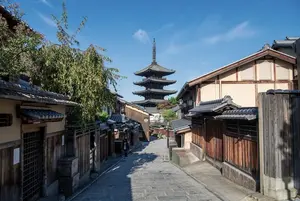
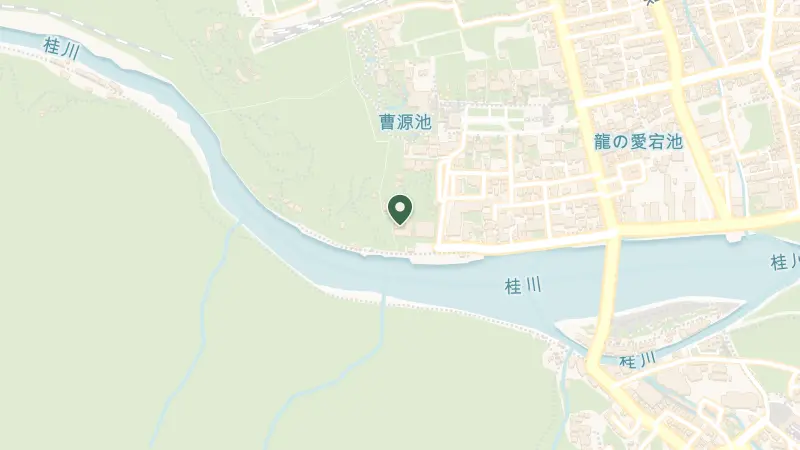
Suiran stands in the Sagatenryuji district of Ukyō Ward, along the banks of the Hozu River in Arashiyama, where bamboo forests meet the western hills and the air carries the woody scent of cedar and damp moss. This is the Kyoto that existed long before the capital shifted eastward: temple bells echo from hillsides, the call of cranes cuts through morning mist, and stone paths lead to gardens that have remained unchanged since the Heian period. The neighbourhood unfolds as a living scroll painting, each season rewriting the palette of the mountains that frame the riverbanks. Tenryū-ji, a Zen temple and UNESCO World Heritage site, lies within a short walk, its pond garden designed in the 14th century to reflect the borrowed scenery of the Arashiyama ridgeline.
From Osaka Itami International Airport, 33 kilometres northeast, private transfers follow the Katsura River valley into the western reaches of the city. Kansai International Airport sits 76 kilometres south, a longer journey that traces the coast before turning inland toward the ancient capital.
The Ryumon Taki waterfall, nearly six kilometres upriver, draws visitors along forest trails where the sound of rushing water announces itself long before the cascade appears. Closer in, the Shōren Falls tumble through a temple precinct where monks once trained in icy ablutions, the spray catching sunlight in the early morning. The Kamo River defines the city's eastern boundary, but here in Arashiyama the Hozu shapes the rhythm of life: cormorant fishermen work the shallows at dusk, their lanterns flickering like fallen stars. Book a table at Isshisoden Nakamura, 8.4 kilometres southeast, where the sixth-generation proprietor transforms fish from Wakasa Bay into a three-Michelin-starred meditation on seasonality and restraint.
Further east, Gion Sasaki and Kikunoi Honten, both three-starred and roughly ten kilometres from the property, represent the apex of kaiseki tradition, the former driven by Hiroshi Sasaki's relentless innovation, the latter by Yoshihiro Murata's scholarly devotion to ryotei culture. The bamboo groves of Sagano begin just beyond the property's perimeter, a towering corridor of green light and rustling canes that leads to the Otowa Waterfall at Kiyomizu-dera, ten kilometres distant, where pilgrims catch sacred water in metal cups.
Winter descends with crystalline stillness, temperatures hovering near freezing at night and climbing only to single digits by day. Snow dusts the temple roofs and the ridgelines take on a monochrome severity that makes the occasional scarlet gate or vermillion torii seem to burn against the pale sky.
Spring arrives in waves, first with plum blossoms in late February, then the explosion of cherry blooms in early April when the entire city holds its breath for a week. Temperatures rise into the high teens, the air soft and unpredictable, rain showers alternating with brilliant sunshine that illuminates petals like stained glass.
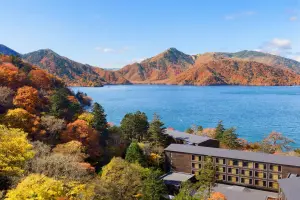
Summer turns humid and dense, the thermometer pushing past 30 degrees while cicadas saw through the afternoons and evening thunderstorms break the heat in violent bursts. Autumn is the revelation: crisp mornings, maples igniting in waves of crimson and amber from mid-November, the light slanting low and golden. This is Kyoto's finest season, the one that draws the world to witness a thousand years of cultivated beauty reaching its annual climax.
Frequently Asked Questions
Free service · No obligation
Request a Quote 118 Bib Gourmand