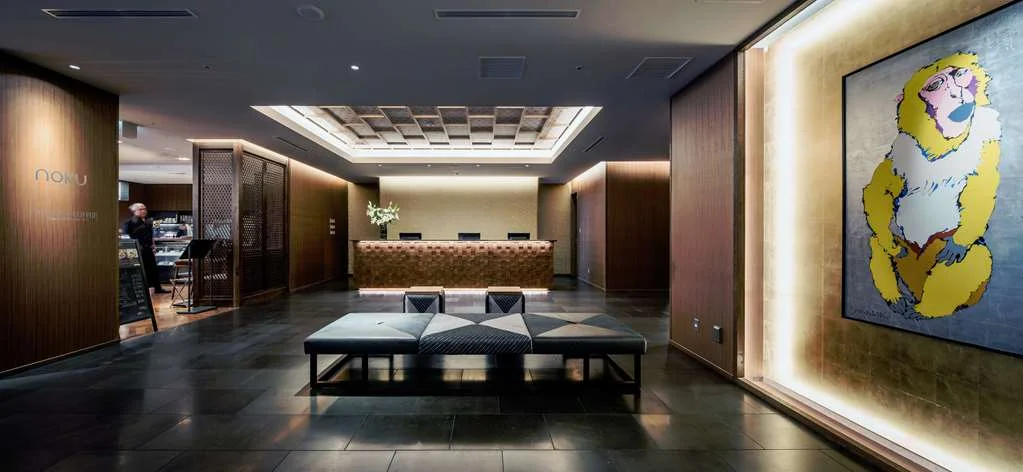
Noku Kyoto
When you book Noku Kyoto in Kyoto, Japan through our Tablet Plus partnership, your stay includes room upgrades and a hotel credit.
Exclusive Booking Perks
- Upgrade to next room category, based upon availability at check-in
- Complimentary welcome gift in room on arrival
- JPY 5,550 credit per stay (valid towards incidentals, 2 night minimum)
- Complimentary bike rental once per stay (max 2 guests)
Location
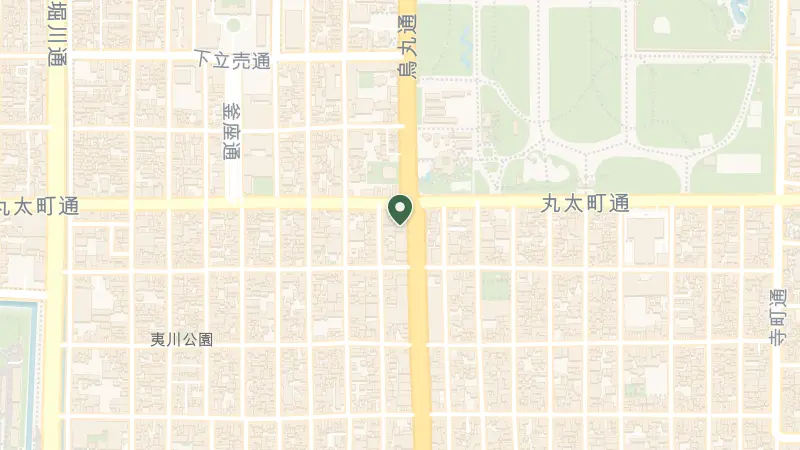
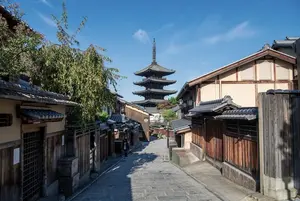
Noku Kyoto sits in Okuracho, in the Nakagyo Ward, a quietly prosperous central district where traditional machiya townhouses stand shoulder to shoulder with contemporary shopfronts. The Kamo River flows just east, its banks lined with willows and stone paths where herons pick through the shallows. This is the heart of a city laid out in 794 as Heian-kyō, modelled on the ancient Chinese capitals of Chang'an and Luoyang, where emperors ruled for eleven centuries until the capital shifted to Tokyo in 1869.
The grid still holds: narrow lanes run perpendicular to broader avenues, and the rhythm of wooden lattice facades, noren curtains, and stone lanterns persists even as the city modernises. Nakagyo bridges the old and the new, with textile merchants and tea wholesalers sharing blocks with izakaya and boutique galleries. The air smells of roasted hojicha and incense from neighbourhood temples.
Kyoto Station, the modern rail hub, lies to the south; Osaka Itami International Airport is 39 kilometres southwest, with direct bus and rail links threading through the Kansai plain.
Nishiki Market, 1.4 kilometres south, is Kyoto's culinary nerve centre: a covered arcade where vendors hawk tsukemono pickles, yuba tofu skin, and grilled unagi. Book a table at Isshisoden Nakamura, less than a kilometre away, where the sixth-generation head Motokazu Nakamura serves three-Michelin-starred kaiseki rooted in his family's history as travelling fishmongers from Wakasa Bay. Two and a half kilometres east in Gion, Gion Sasaki earns three stars for Hiroshi Sasaki's exacting seasonal menus. Further east, Hyotei, also three-starred, embodies wabi-sabi restraint in a moss-shrouded garden fed by streams from Lake Biwa.
The Historic Monuments of Ancient Kyoto, a UNESCO World Heritage collection four kilometres away, includes Kiyomizu-dera's wooden stage and Kinkaku-ji's gilded pavilion. Otowa Waterfall, within Kiyomizu-dera's grounds, offers three streams said to grant longevity, success, or love. Start with a morning bike ride along the Kamo River's eastern promenades before the tour buses arrive.
Winter in Kyoto is sharp and dry, temperatures dipping below freezing at dawn while the sky stays clear and bright. January and February see occasional snow dusting temple roofs, transforming the city into a monochrome scroll. Spring arrives abruptly in late March: cherry blossoms unfurl along the Philosopher's Path and the air thickens with humidity and anticipation.
April and May are the peak visiting months, mild and luminous, though May's rain begins to build. Summer, from June through August, is sweltering and sticky, with June bringing the tsuyu rainy season and July festivals crackling with heat and lantern light.
Autumn, September through November, offers the clearest reward: maples flare crimson, the air cools, and temple gardens glow. October is ideal, with comfortable highs around 21°C and the city at its most photogenic.
Frequently Asked Questions
Free service · No obligation
Request a Quote 118 Bib Gourmand