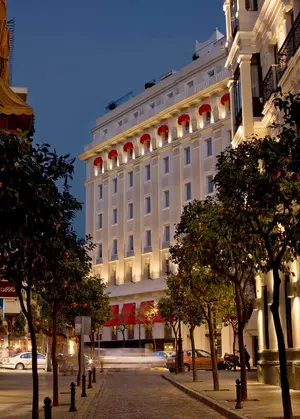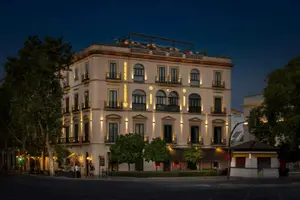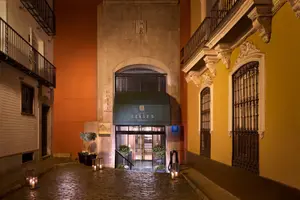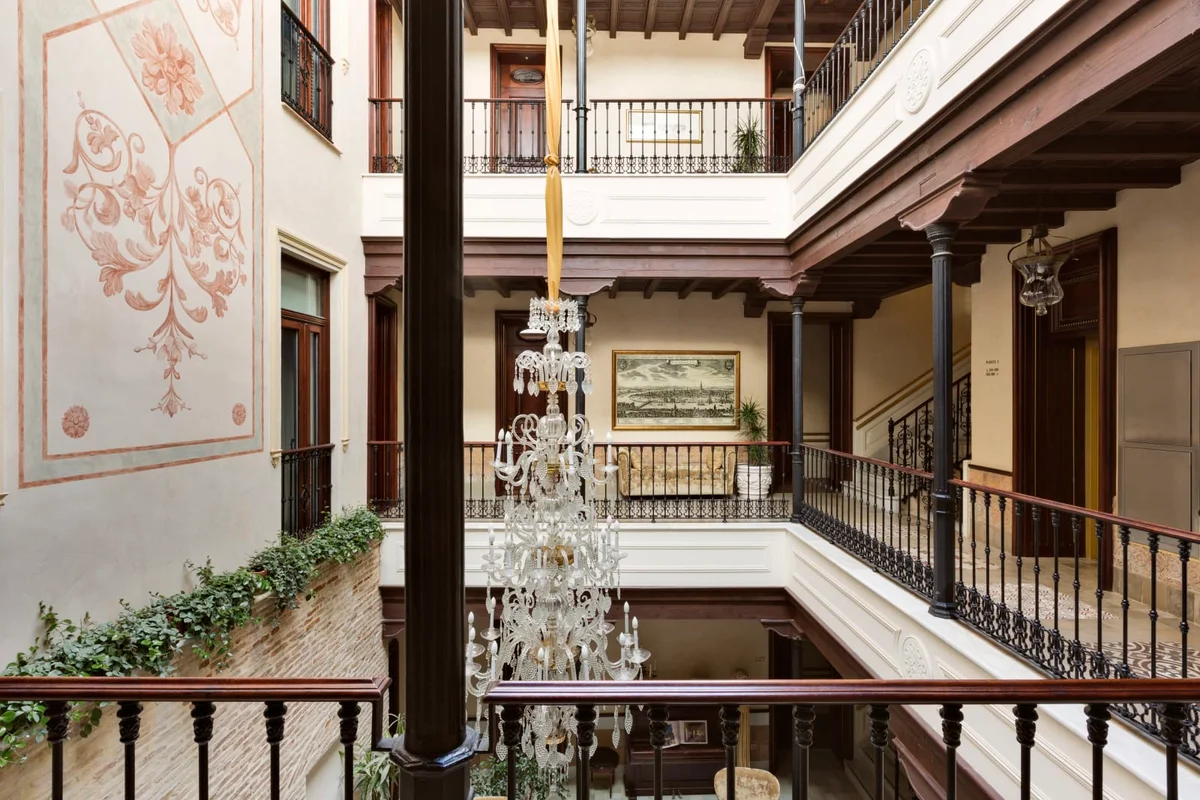
Hotel Casa 1800 Seville
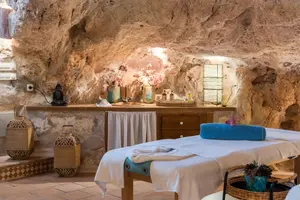
When you book Hotel Casa 1800 Seville in Seville, Spain through our Enhanced Rates partnership, your stay includes room upgrades, a complimentary spa treatment and flexible check-in and check-out.
Exclusive Booking Perks
- Welcome drink upon arrival
- Bottle of Spanish Wine
- Daily Complimentary Afternoon Tea Buffet (4:30pm to 6pm)
- VIP Treatment & Bath Amenities
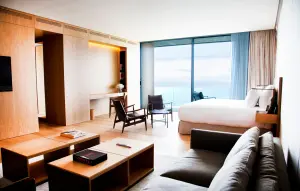
- Room Upgrade (subject to availability)
- Early Check-In & Late Check-Out (subject to availability)
Location
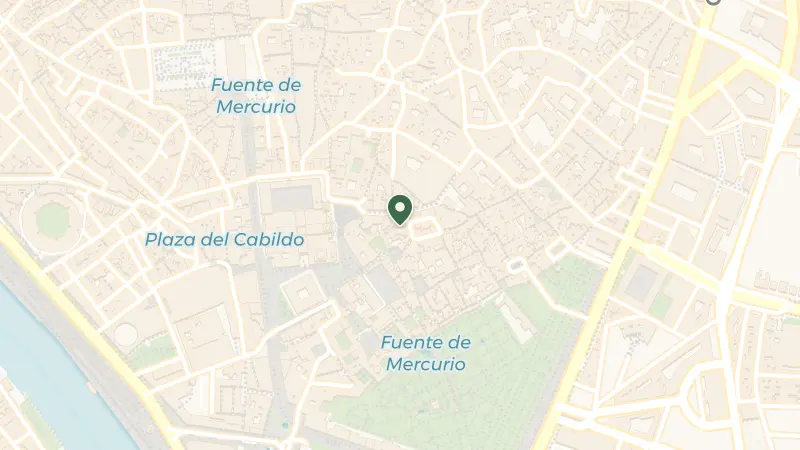
Santa Cruz unfolds in a tangle of whitewashed callejones too narrow for cars, where bougainvillea spills from wrought-iron balconies and the scent of orange blossom hangs heavy in the jasmine-scented air. This is the medieval Jewish quarter of Seville, the Andalusian capital where Moorish palaces, Gothic churches, and flamenco tablaos compress into a walkable lattice of sunlit plazas and shadowed courtyards. The property sits within the Casco Antiguo, the old town that sprawls along the east bank of the Guadalquivir, and the city's most storied monuments cluster within minutes on foot.
The Cathedral and Alcázar, a UNESCO-listed ensemble dating from the Reconquest of 1248, stand as living records of Seville's layered past: Almohad minarets repurposed as bell towers, mudejar arches framing Christian altars, tilework that fuses Islamic geometry with Renaissance grandeur. The Giralda tower rises just steps away, its ramp spiraling upward through centuries of architectural ambition.
Seville Airport lies nine kilometres northeast, connected by taxi or bus in under half an hour, making arrival swift and unceremonious. The Guadalquivir's western bridges lead to Triana, the potters' and dancers' quarter, its tiled facades and riverside markets a world apart from Santa Cruz's aristocratic calm.
Abantal, holding one Michelin star and located seven hundred metres from the property, brings soul and intrinsic personality to its creative menu; the name derives from the Spanish word for apron, a fitting emblem for the hands-on craft here. Cañabota, another one-star destination nine hundred metres away, proves that excellence emerges from simplicity; this gastro-bar near the Capilla de San Andrés serves pristine seafood with minimal intervention, each plate a testament to sourcing over spectacle. Book a table at either for a taste of Seville's evolving culinary identity, where Andalusian tradition meets contemporary technique.
Mercado de Artesanía de Sevilla El Postigo, four hundred metres north, showcases regional crafts in a restored vaulted space, while Mercado del Arenal, eight hundred metres away, trades in everyday produce: jamón, olives, cured cheeses. The Roman ruins of Italica, nearly eight kilometres northwest in Santiponce, preserve amphitheatres and mosaic floors from the birthplace of Trajan and Hadrian. Closer still, the tiled rooftops of the Encarnación market, nine hundred metres distant, shelter a mushroom-shaped structure whose top terrace offers sweeping city views. For a deeper dive into local viticulture, Bodega Pepe Girón sits seven kilometres south, its cellars stocked with fortified wines and crisp fino.
Summer arrives with force: July and August push temperatures above thirty-six degrees, the air dry and still, streets emptying during siesta hours as locals retreat behind shuttered windows. The light turns white-hot, bleaching stone facades and casting knife-edge shadows across plazas.
Spring and autumn frame the best visiting windows. April through early June brings highs in the low to mid twenties, orange blossoms scenting the morning air; September and October offer similar warmth as the city shakes off summer's torpor, festivals resuming, terraces refilling.
Winter remains mild, daytime temperatures hovering in the mid-teens, though December and January bring occasional rain. The pace slows without ever stopping; coats appear, braziers glow outside tapas bars, and the city's monuments reveal themselves in softer, cooler light.
Frequently Asked Questions
Free service · No obligation
Request a Quote 3 Bib Gourmand