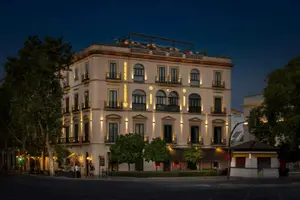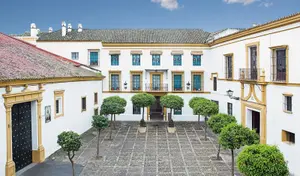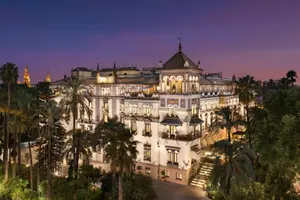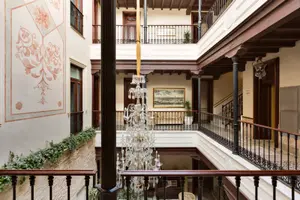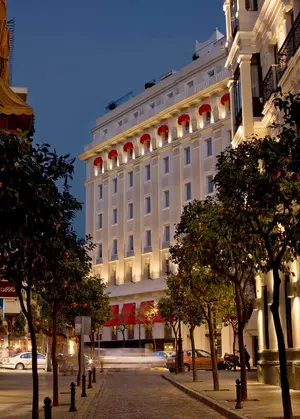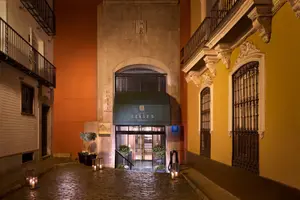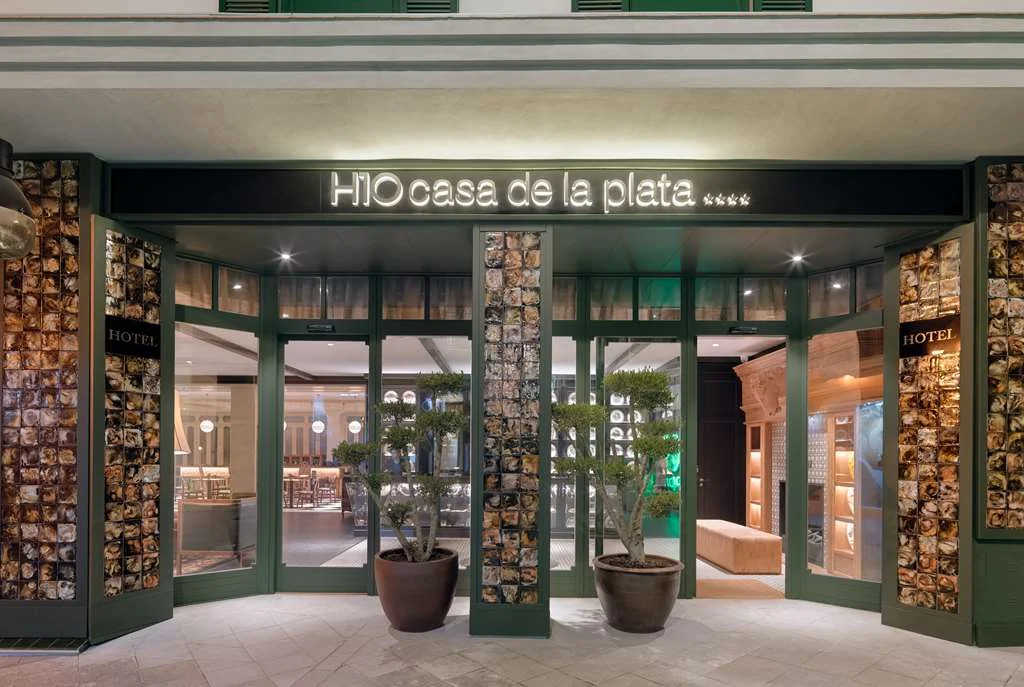
H10 Casa de la Plata
When you book H10 Casa de la Plata in Seville, Spain through our Tablet Plus partnership, your stay includes daily breakfast, room upgrades and flexible check-in and check-out.
Exclusive Booking Perks
- Upgrade to next room category, based upon availability at check-in
- Guaranteed 2pm late check-out
- Welcome treat in room on arrival
- Complimentary daily breakfast (max 2 guests)
Location
[150-200 words, exactly 3 paragraphs]
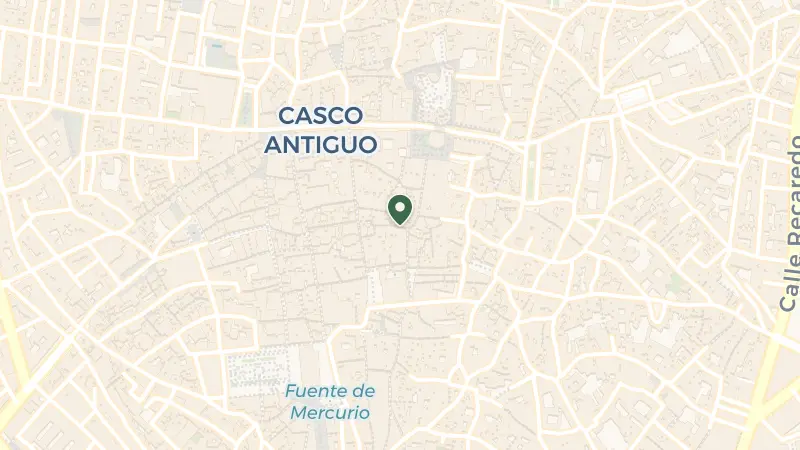
The Alfalfa quarter sits at the heart of Seville's Casco Antiguo, where the narrow lanes carry the scent of orange blossom and the clatter of horse-drawn carriages echoes off whitewashed walls. This is the ancient core of Andalusia's capital, a lattice of medieval streets where Roman columns prop up tapas bars and Moorish arches frame sudden plazas flooded with light.
The Cathedral and Alcázar, both UNESCO monuments, stand within a kilometre, their mingled Gothic spires and mudéjar courtyards testament to the city's layered past. The Giralda tower, a former minaret, punctuates the skyline. Walk five minutes in any direction from Alfalfa and you'll find tile-fronted tabernas, the fishmongers' calls at Mercado de la Encarnación, or the slant of afternoon sun across Plaza del Salvador.
The east bank of the Guadalquivir anchors this district, with bridges linking to the potters' studios of Triana and the monastery gardens of La Cartuja. Seville Airport lies nine kilometres northeast, a quick taxi ride that drops you into centuries of unbroken Andalusian swagger.
[120-170 words, exactly 2 paragraphs]
Cañabota, 300 metres away, distills seafood into precision, its single Michelin star earned through apparent simplicity executed without error. For creative plates that marry emotion with technique, Abantal holds court less than a kilometre from the property, its name a nod to the ancestral word for apron. Book a table at either before the terrace tables fill. The Cathedral, Alcázar, and Archivo de Indias together form a monumental triad inscribed in 1987, their Reconquest-era halls saturated with Moorish geometry and Renaissance ambition. Start with the Alcázar's tiled courtyards, then climb the Giralda for sight lines across terracotta rooftops.
Mercado de la Encarnación spills over with jamón serrano and queso manchego, its vendors accustomed to shoppers who speak in pointed fingers and halting Castilian. Seven kilometres north, the Roman ruins of Italica preserve amphitheatre stones warmed by the same sun that baked them two millennia ago. For a further reach, Ochando in Tocina, 32 kilometres out, channels pedigree honed at Atrio and Casa Marcial into a contemporary tasting menu that justifies the drive.
[70-90 words, exactly 3 paragraphs]
April and May deliver Seville at its kindest: high teens to mid-twenties, the streets perfumed by azahar and the cafés spilling onto cobbles without the punishing glare of summer. October mirrors this rhythm, though the light turns copper and the morning air carries a faint chill.
June through September brings relentless heat, temperatures climbing past 36°C in July and August, the city slowing to a siesta crawl as shutters close against the white-hot afternoons.
Winter is mild but unpredictable, rain arriving in brief squalls between stretches of pale sunshine, the river swelling and the tapas bars filling early with locals escaping the damp.
Frequently Asked Questions
Free service · No obligation
Request a Quote 3 Bib Gourmand