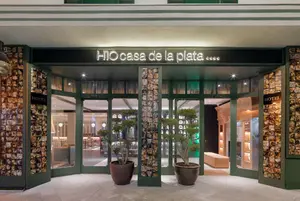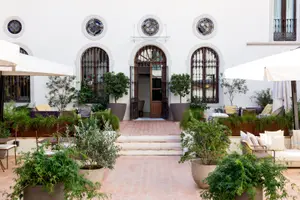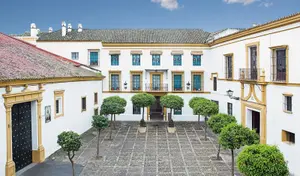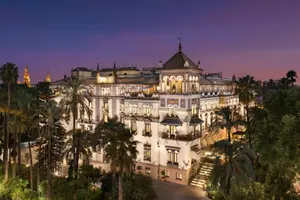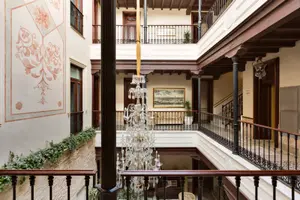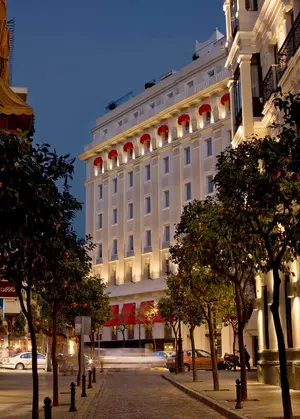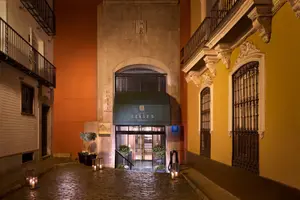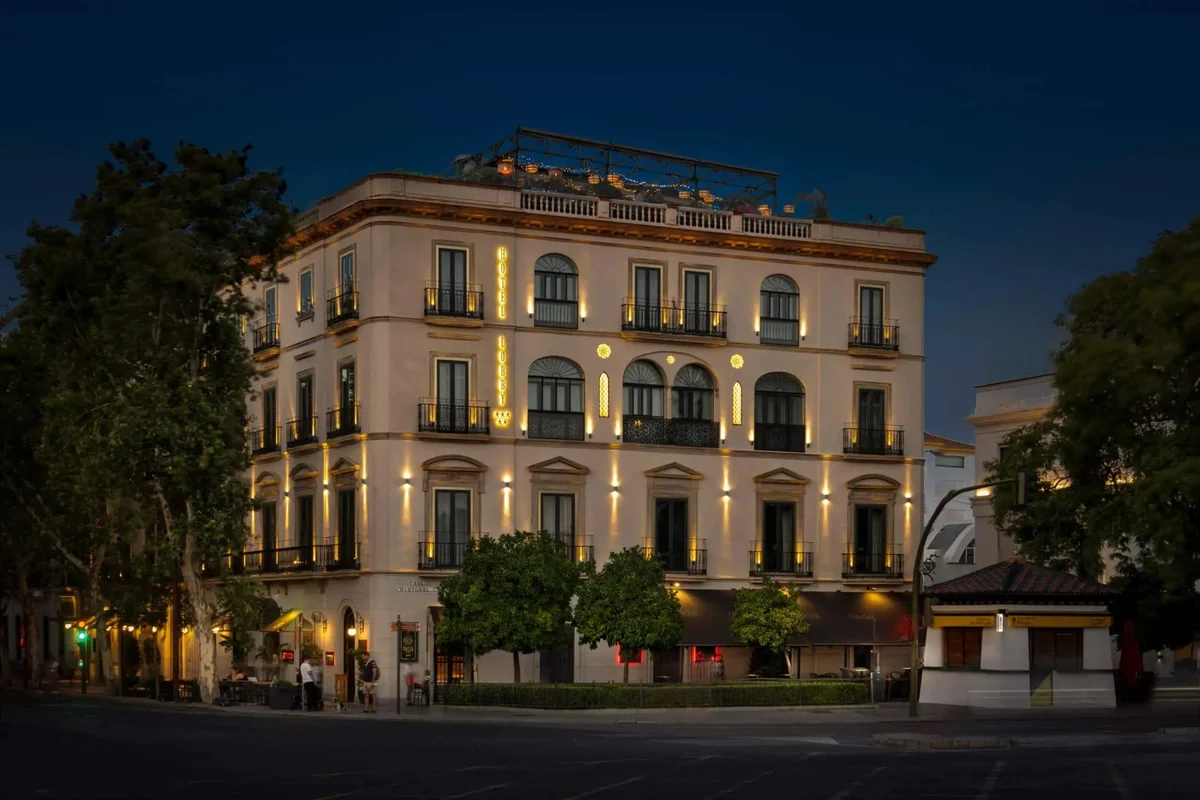
Hotel Lobby
When you book Hotel Lobby in Seville, Spain through our Tablet Plus partnership, your stay includes room upgrades, a hotel credit and flexible check-in and check-out.
Exclusive Booking Perks
- Upgrade to next room category, based upon availability at check-in
- 90 EUR hotel credit per room, per stay (2 night minimum)
- Guaranteed 1pm late check-out
- Welcome treat in room on arrival
Location
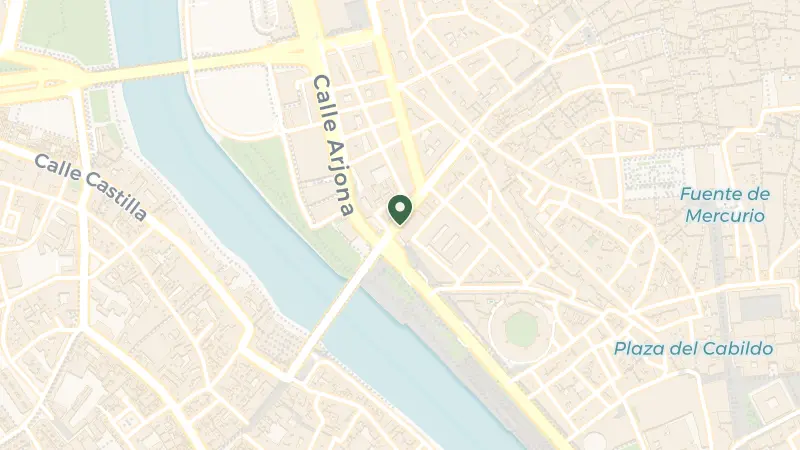
The Casco Antiguo wraps around itself in narrow lanes of whitewashed facades and sudden plazas flooded with light, the air thick with orange blossom in spring and the faint chime of church bells marking the hours. This is Seville's old heart, pressed against the east bank of the Guadalquivir, where every corner turns onto centuries of layered history: Moorish arches, Renaissance palaces, azulejo-tiled courtyards glimpsed through iron gates. The property sits within the Museo district, steps from the Cathedral, Alcázar, and Archivo de Indias, a UNESCO-inscribed triumvirate dating from the Reconquest of 1248 through the 16th century, each stone imbued with the ambitions of empire and the refinement of Mudéjar craft.
Mercado del Arenal lies a hundred metres away, its stalls piled with jamón ibérico and olives in brine, the scent of fish and saffron drifting through its iron-trussed halls. Cross the Guadalquivir to Triana, the potters' quarter, or wander south through Casco Antiguo's maze to stumble upon the Capilla de San Andrés, known locally as the Hermandad de los Panaderos, the chapel of the bread-makers' brotherhood.
Seville Airport sits ten kilometres north, a quick taxi ride into the ancient core.
Cañabota, less than a kilometre from the property near the Capilla de San Andrés, exemplifies Michelin-starred excellence through apparent simplicity: a gastro-bar where pristine seafood takes precedence over flourish. Book a table early; the dining counter fills quickly with locals who know the catch of the day arrives impeccable. For something more conceptual, Abantal (one star, 1.5 kilometres distant) brings emotion and intrinsic personality to creative cooking, the name itself a nod to the Spanish word for apron, delantal, a gesture toward the craft behind the plate. Beyond the city, Ochando in Tocina, 33 kilometres away, draws pilgrims to the unlikely district of Los Rosales for contemporary cooking rooted in the couple's return to Andalusian soil after stints at Atrio and Casa Marcial.
The Alcázar's tiled pavilions and sunken gardens reward slow mornings. Mercado de Triana, 300 metres across the river, hums with vendors selling mantecados and cured meats beneath vaulted ceilings. Don't miss the Roman ruins of Italica, seven kilometres north, where amphitheatre stones bake under the same sun that warmed Hadrian's sandals.
Winter in Seville is mild, temperatures hovering around sixteen degrees, the light pale gold against the Cathedral's bell tower. Rain arrives in brief, heavy bursts, leaving the cobblestones slick and the air smelling of wet stone.
Spring blooms relentless: orange trees perfume every plaza, temperatures climb toward the mid-twenties, and Holy Week processions fill the streets with incense and the shuffle of barefoot penitents. This is the season to visit, before summer's furnace descends.
July and August are brutal, the mercury pushing past 36 degrees, the city slowing to siesta rhythm. Only September offers reprieve, heat softening to the low thirties, the tourism crowds thinning as locals reclaim their terraces.
Frequently Asked Questions
Free service · No obligation
Request a Quote 3 Bib Gourmand