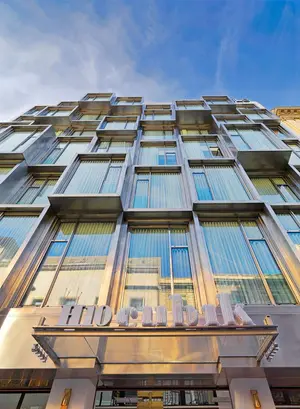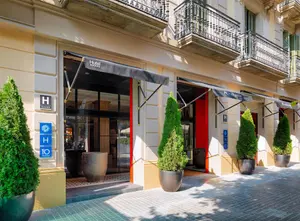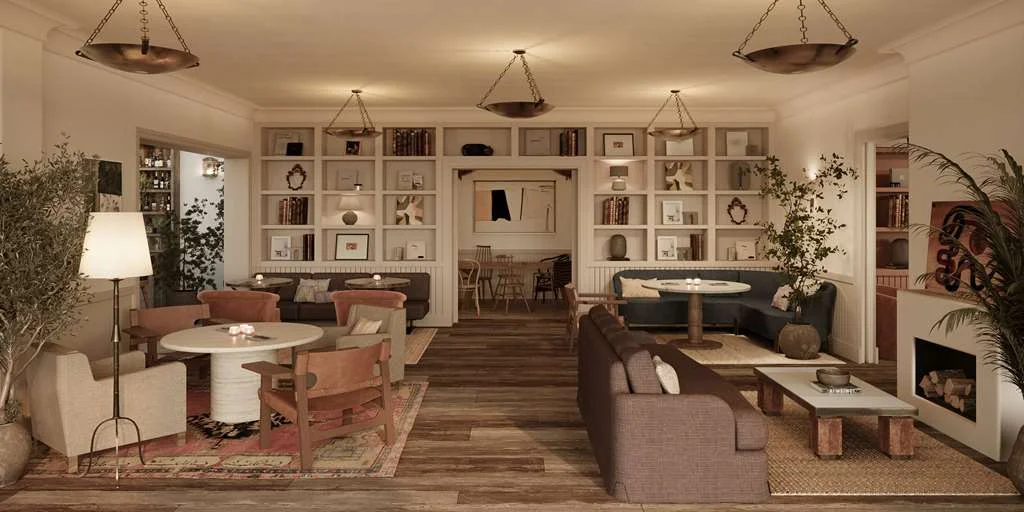
Borneta
When you book Borneta in Barcelona, Spain through our Enhanced Rates partnership, your stay includes daily breakfast, room upgrades and a hotel credit.
Exclusive Booking Perks
- Free breakfast
- €30 F&B credit
- Room upgrade on check in subject to availability
- In room amenity
- Complimentary use of refresh room
Location
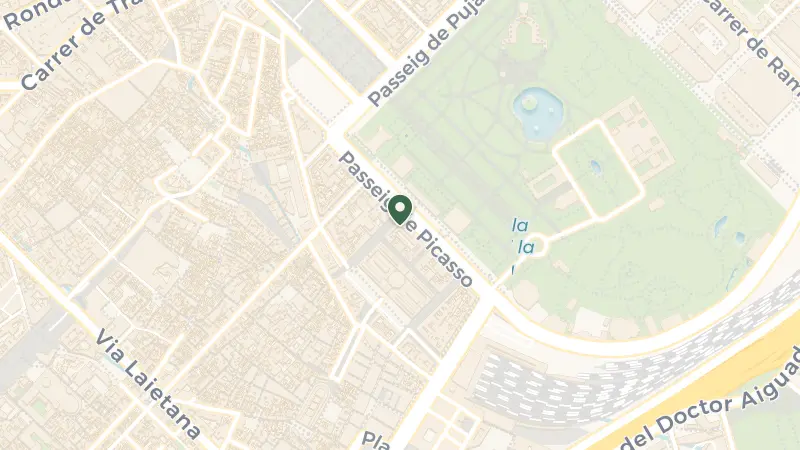
Borneta sits in Sant Pere, Santa Caterina i la Ribera, a neighbourhood where medieval lanes open onto sun-flooded plazas and the air smells of roasting coffee and wet stone after a passing shower. This is the Old Town stripped of Barri Gòtic's tourist crush: washing hangs from wrought-iron balconies, locals argue over produce at Mercat de Santa Caterina half a kilometre away, and the rhythm is still Catalan-paced, unhurried, deeply lived-in.
The district unfolds between the Palau de la Música Catalana, a kilometre north, its art nouveau façade encrusted with mosaics and floral sculpture, and the medieval streets of El Born to the southeast, where candlelit wine bars occupy Gothic counting houses. Barcelona's founding myth credits Phoenician traders; its reality was built by medieval merchants and 19th-century industrialists, and nowhere is that layered history more tangible than here, where Roman walls emerge mid-block and 13th-century chapels share corners with modernist shopfronts.
The city stretches along the Mediterranean between the Llobregat and Besòs rivers, backed by the green ridge of Serra de Collserola. Barcelona-El Prat Airport lies thirteen kilometres southwest, a twenty-five-minute taxi ride through Eixample's gridded boulevards into the tangled heart of Ciutat Vella.
Mercat de Santa Caterina, five hundred metres from the property, spreads beneath an undulating mosaic roof designed by Enric Miralles. Arrive early for glossy anchovies, blood-red tomatoes still on the vine, and vendors who'll slice jamón ibérico to translucence while debating football. Book a table at Disfrutar, two and a half kilometres west, where three El Bulli alumni hold three Michelin stars and serve tasting menus that read like culinary theatre: liquid olives, edible papers, foams that dissolve on the tongue. Closer, Lasarte (three stars, two kilometres) translates Martín Berasategui's Basque precision to Barcelona, while Cocina Hermanos Torres, nearly four kilometres out, builds Mediterranean dishes around produce so delicate the menu changes daily.
The Palau de la Música Catalana, a kilometre north, offers concerts most evenings in a hall where stained glass and gilded sculpture frame the stage. Somorrostro Beach, just over a kilometre east, draws morning swimmers and evening strollers along a promenade that curves past seafood shacks grilling sardines. The Born quarter, a five-minute walk southeast, hides galleries and artisan workshops in Gothic archways, their vaulted ceilings cool even in August heat.
Spring arrives slowly, the light sharp and cool in March, then warming to twenty-degree afternoons by May when jacarandas bloom purple along the boulevards. Summer dominates June through September, the city baking under unrelenting sun, temperatures pushing twenty-eight degrees and the beaches packed shoulder to shoulder. Early morning or late evening offers relief, the stone cooling, the terraces filling with locals nursing vermouth.
Autumn brings October rains, sudden and torrential, that wash the streets clean and send everyone under café awnings. The city empties of tourists, the pace slows, and the light turns golden across Gaudí's façades. Winter is mild, rarely dipping below five degrees, the days short and brilliant, the Mediterranean wind sharp but brief.
Visit in May or late September when the weather holds but the crowds thin, when you can walk Ciutat Vella's lanes without elbowing through selfie-takers and secure a table at the market without queuing.
Frequently Asked Questions
Free service · No obligation
Request a Quote 17 Bib Gourmand