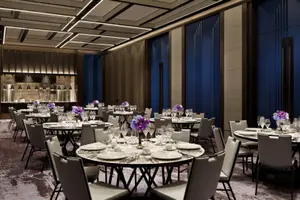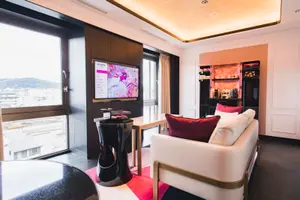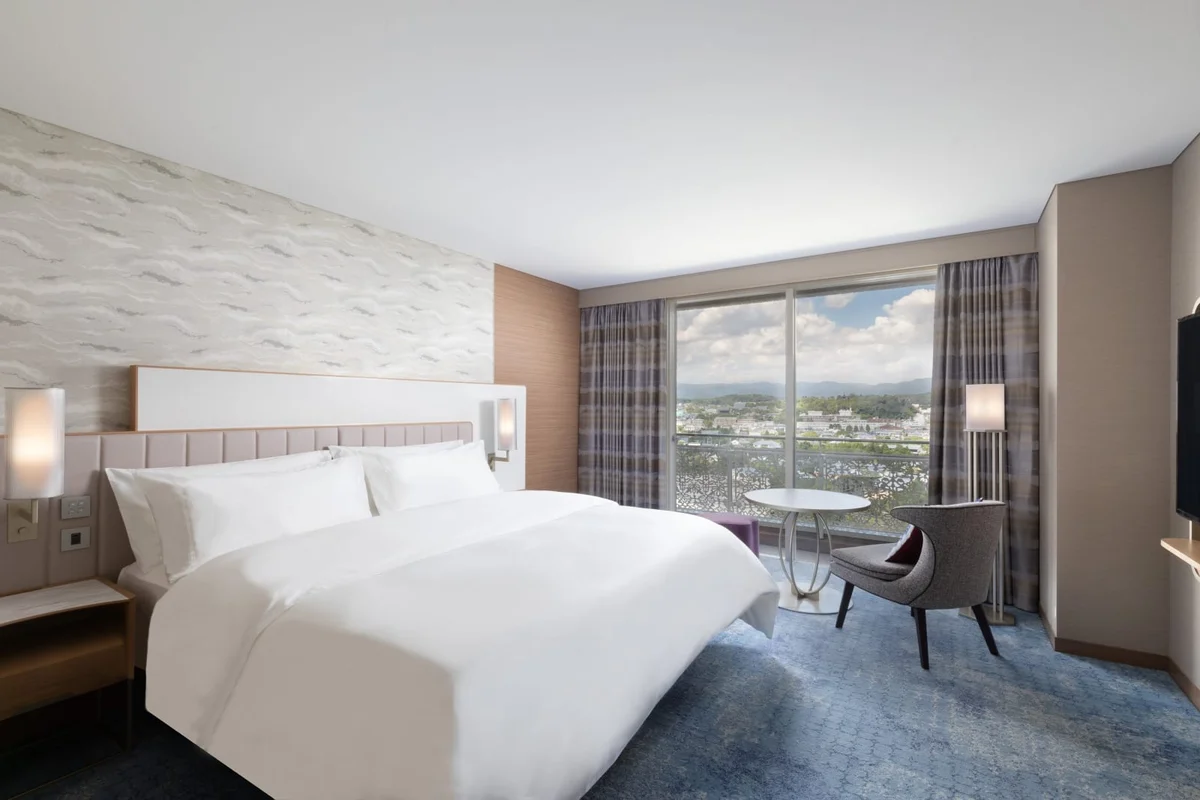
The Westin Miyako Kyoto
When you book The Westin Miyako Kyoto in Kyoto, Japan through our Marriott Luminous partnership, your stay includes daily breakfast, room upgrades and flexible check-in and check-out.
Exclusive Booking Perks
- Welcome amenity
- Complimentary breakfast daily for two guests per room
- Early check-in and late check-out (when available)
- Complimentary upgrade (if available at check-in)
Location
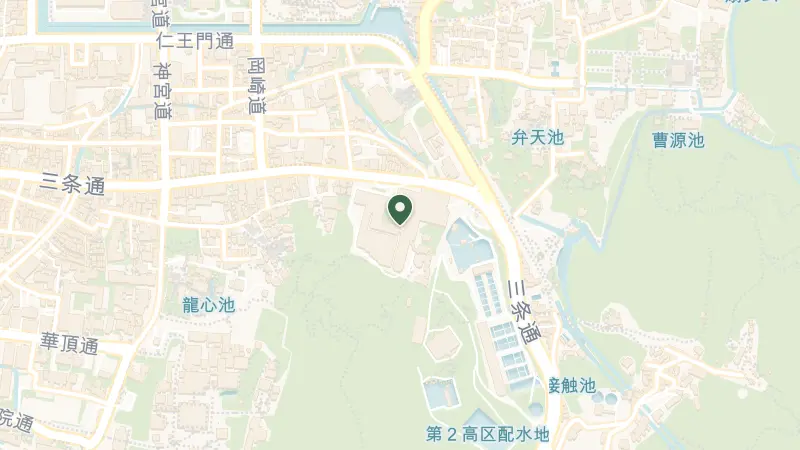
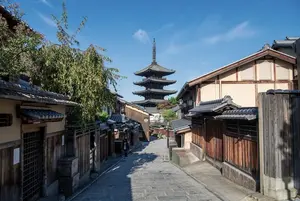
The Westin Miyako Kyoto places you in the Higashiyama Ward, where the eastern hills meet the temple district that has shaped Kyoto's spiritual identity for twelve centuries. This is the former imperial capital that governed Japan from 794 until the Meiji Restoration relocated power to Tokyo, and you feel that continuity in every quiet lane and moss-covered garden wall.
Step outside and the neighbourhood reveals its layered history at walking pace. Hyotei, a three-Michelin-starred ryotei just three hundred metres from the property, has cultivated its wabi-sabi aesthetic for centuries in a garden where stone lanterns gather moss and clear streams channel from Lake Biwa. The Kamo River flows through the city's heart, its willow-lined banks a gathering place for locals in every season. The Otowa Waterfall at Kiyomizu-dera temple is a short uphill walk, part of the UNESCO-inscribed Historic Monuments of Ancient Kyoto that protect the city's cultural core.
Osaka Itami International Airport lies forty-one kilometres southwest, reachable by direct limousine bus or private transfer. Kansai International connects long-haul travellers eighty-two kilometres south, while Kyoto Station's shinkansen lines bring arrivals from Tokyo, Osaka, and beyond into the city's grid within minutes.
The property sits within striking distance of Kyoto's most refined dining traditions. Hyotei serves kaiseki in an atmosphere of restraint and impermanence, where clear streams and shadowed tea arbours set the tone for centuries-old culinary discipline. Mizai, eight hundred metres away, channels Zen teachings into every course, its votive lanterns flickering against rustic simplicity. Kikunoi Honten, less than a kilometre distant, represents Yoshihiro Murata's global ambassadorship for Kyoto's ryotei culture, blending innovation with grace. Book a table at any of these three-starred establishments weeks ahead.
Beyond dining, the Otowa Waterfall at Kiyomizu-dera draws pilgrims and visitors alike to its sacred cascade, while Nishiki Market, just over two kilometres west, spreads pickles, tofu, and seasonal tsukemono across its covered arcade. The Kamo River path offers early-morning walks where herons hunt and cherry branches overhang the water. Gion's teahouses and machiya townhouses lie within easy reach, their wooden facades concealing geisha districts that have operated for generations.
Winter brings crystalline mornings and temperatures dipping below freezing at night, the hills dusted with occasional snow that sharpens the outline of temple eaves. The city quiets, temple gardens empty, and indoor braziers glow in traditional tea rooms.
Spring unfolds with cherry blossoms in early April, their brief bloom drawing crowds but also softening the city in pale pink light. Temperatures climb into the high teens, rain frequent but brief.
Summer turns humid and dense, with July and August reaching thirty degrees and the air thick along the riverbanks. Autumn is Kyoto's finest season: October and November bring maple leaves in crimson and gold, cool air, and long dry stretches perfect for temple walks at dawn.
Frequently Asked Questions
Free service · No obligation
Request a Quote 118 Bib Gourmand