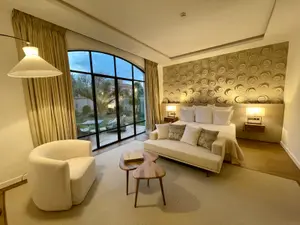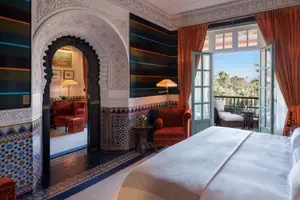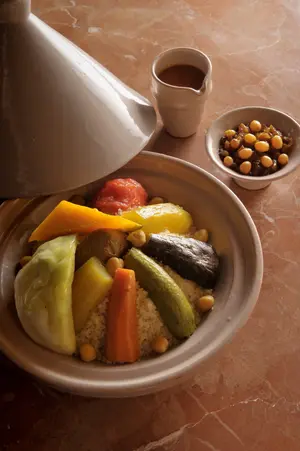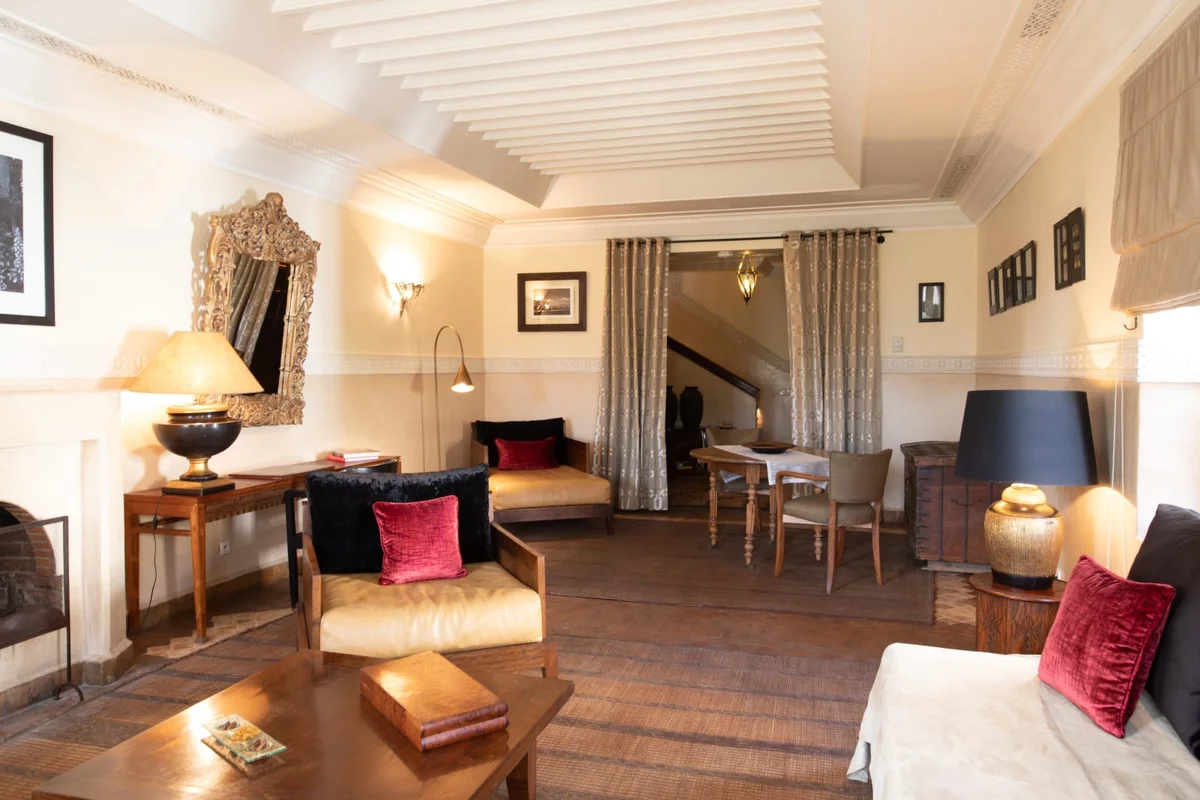
La Villa Des Orangers - Relais & Châteaux
When you book La Villa Des Orangers - Relais & Châteaux in Marrakech, Morocco through our Relais & Châteaux partnership, your stay includes daily breakfast.
Exclusive Booking Perks
- Complimentary Continental or Buffet Breakfast per night and per person
- VIP Welcome per room and per stay
- Reservations must be made at least 72 hours prior to arrival and are subject to availability
- All offers are subject to the booking and cancellation conditions of each individual property.
Location
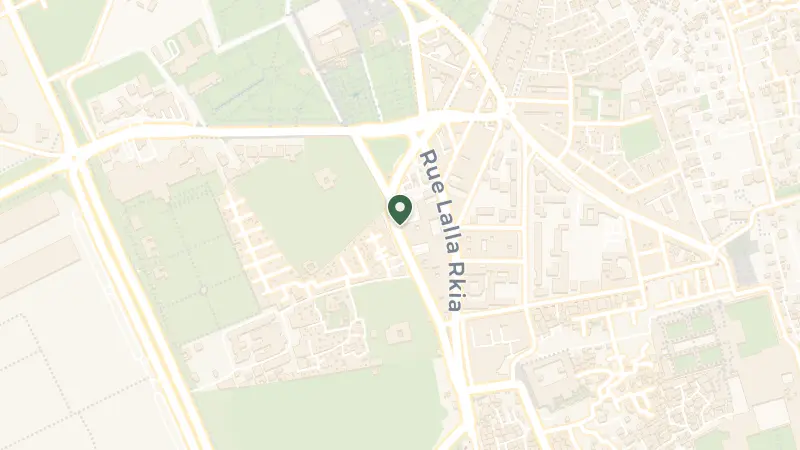
Relais & Châteaux properties are defined by their commitment to the art of living well, places where culinary heritage and local character guide every detail. La Villa Des Orangers belongs to this tradition, rooted in a city where craft and devotion have shaped daily life for nearly a millennium.
Marrakech unfolds in layers of ochre and dust. The Medina, a UNESCO World Heritage site since 1985, presses against red sandstone ramparts built in 1122 by Ali ibn Yusuf, walls that still define the old city's silhouette against the Atlas foothills. Within these boundaries, the souks hum with metalworkers and dyers, the scent of tanned leather and charcoal smoke drifting through covered alleys. Jemaa el-Fna, the central square 600 metres from the hotel, pulses from dawn until late into the night: storytellers, spice vendors, steam rising from snail carts, the call to prayer echoing from the Koutoubia minaret. This is the Mechouar Kasbah quarter, where the imperial past meets the mercantile present.
Founded in 1070 by the Almoravids, Marrakech became the cultural and trading heart of the Maghreb, its influence radiating through North Africa and Andalusia. Saadian sultans embellished it with monuments in the 16th century; Sufi pilgrims have sought out its seven patron saints since the 17th. Marrakesh Menara Airport sits four kilometres west, a brief taxi ride from the Medina gates.
The Medina rewards wandering with purpose. Head to the Olive Souk, 800 metres north, where green, black, and cracked varieties glisten in ceramic bowls alongside preserved lemons and harissa. The Souk el Kessabine, 900 metres away, specializes in leather babouches and hand-stitched bags, the air thick with the funk of the tanneries. For textiles, Souk el Maasi offers Berber rugs and embroidered caftans one kilometre southeast. Jemaa el-Fna transforms at dusk: book a rooftop table overlooking the square to watch acrobats and musicians claim their patches as the light fades to indigo.
Beyond the ramparts, the Atlas Golf course lies four kilometres south for those seeking mountain views and a round in cooler morning air. The Rmila reserve, 12 kilometres out, offers hiking trails through argan groves and dry riverbeds where hoopoes and bee-eaters nest. Golf enthusiasts will find Marrakech Golf City and The Montgomerie Marrakech within three kilometres, both designed to frame the snowcapped peaks. Don't miss the chance to hire a guide for the souks; their knowledge of artisan workshops tucked behind unmarked doors turns a stroll into an education.
January through March brings crisp mornings, temperatures hovering near four degrees at dawn before climbing to the high teens. The light is crystalline, the Atlas peaks dusted white, visible from the rooftops. This is prime season for walking the souks without the furnace heat of summer.
April and May warm to the mid-twenties, jasmine blooming in courtyard gardens, the medina bathed in honeyed afternoon sun. June tips into heat; by July and August, temperatures soar past 36 degrees, the city slowing to a siesta rhythm. Early risers claim the best hours; evenings stretch long and forgiving.
September cools to the low thirties, October to the mid-twenties, the air softening as the city exhales. November and December return to sweater weather, the souks fragrant with woodsmoke and orange blossom. Spring and autumn offer the finest balance of warmth and ease, though winter's clarity has its own austere beauty.
Frequently Asked Questions
Free service · No obligation
Request a Quote