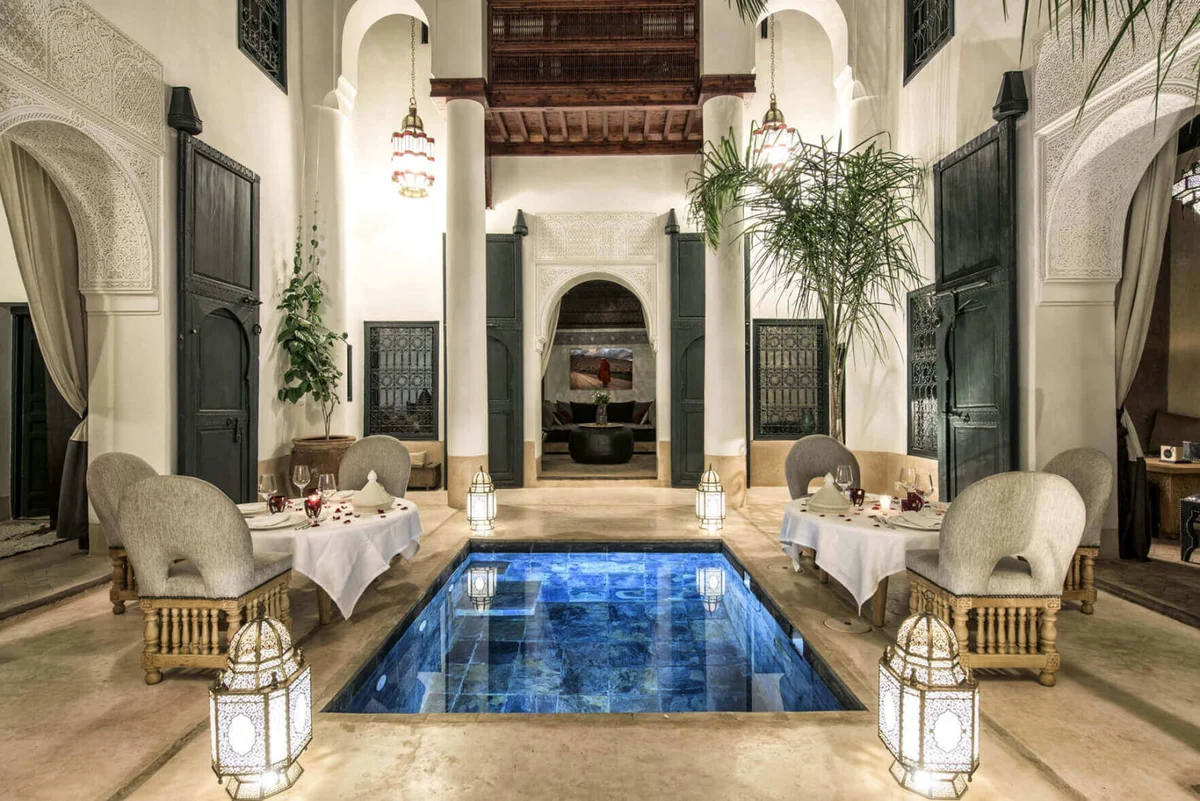
Dar Assiya
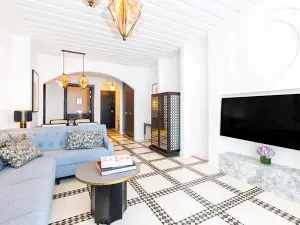
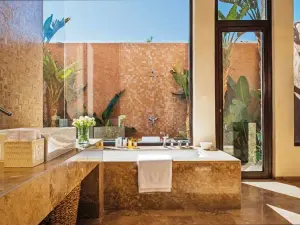
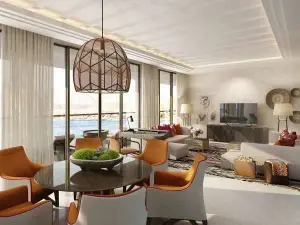
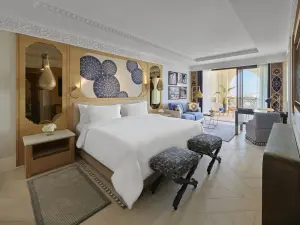
When you book Dar Assiya in Marrakech, Morocco through our Tablet Plus partnership, your stay includes room upgrades, a hotel credit and a complimentary spa treatment.
Exclusive Booking Perks
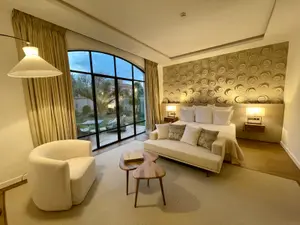
- Upgrade to next room category, based upon availability at check-in
- Welcome treat in room on arrival
- Complimentary afternoon tea once per stay (max 2 guests)
- 20 EUR hotel credit per room, per day (2 night minimum, valid towards massage treatments)
Location
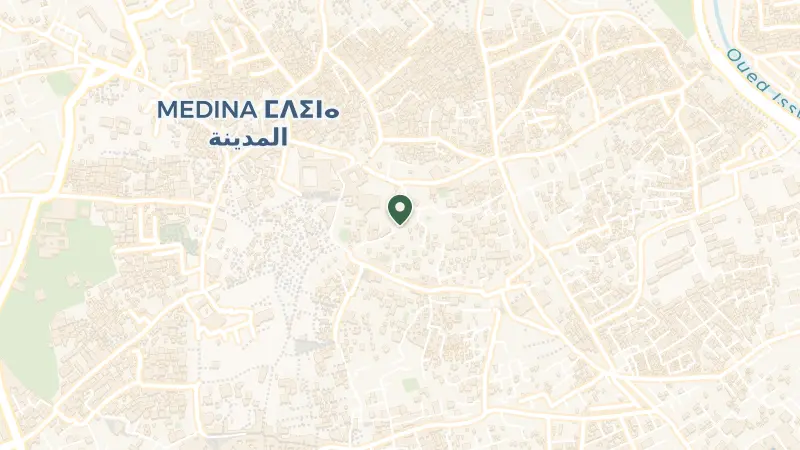
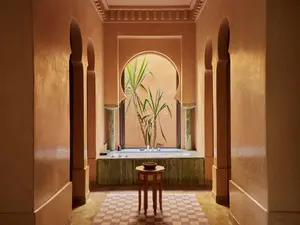
Dar Assiya occupies a restored riad in Mouassine, one of the medina's most atmospheric quarters. The neighbourhood unfolds as a labyrinth of narrow derbs where the call to prayer echoes off ochre walls, donkey carts clatter over worn stone, and the scent of cedar smoke mingles with mint tea brewing in doorways. This is the living heart of the fortified old city, a UNESCO World Heritage Site founded by the Almoravids in 1070 and shaped by centuries of Saadian sultans and Sufi pilgrims.
Step outside and you are steps from the Fruit and Vegetable Market, where pyramids of blood oranges and dates glow under canvas awnings. The Leather Souk lies three hundred metres north, its tanners' vats still worked by hand as they have been for generations. Mouassine Mosque anchors the quarter, its fountain a gathering point for neighbours since the 16th century.
Marrakesh Menara Airport sits six kilometres southwest, a brief taxi ride through the palmeries that fringe the city. The medina itself is car-free; within these red sandstone walls, you move on foot or by calèche, immersed in a rhythm unchanged since the Almoravid walls rose nine centuries ago.
The medina is a city of souks, each dedicated to a single craft. Souk el Maasi, three hundred metres away, specialises in copperwork; watch artisans hammer tea trays into filigree patterns. The Olive Souk and Souq El Kessabine (the butchers' quarter) lie within a five-minute walk, the latter fragrant with cumin and preserved lemon. For a break from the throng, duck into one of the neighbourhood's hidden fondouks, centuries-old caravanserais now sheltering carpet dealers and mint vendors.
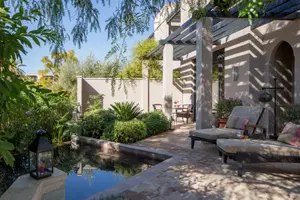
Book a hammam session in the medina's public baths, where the ritual of soap, steam, and exfoliation has been perfected over generations. The Jardin Majorelle, Yves Saint Laurent's cobalt-blue sanctuary, sits three kilometres north, its cacti and bougainvillea a vivid counterpoint to the earthen tones of the old city. For a longer excursion, Marrakech Golf City lies four kilometres out among the olive groves, its fairways framed by Atlas foothills. Start your mornings in the riad's courtyard with msemen and honey, the fountain's trickle a quiet contrast to the medina's rising hum.
Winter mornings arrive cool and bright, temperatures hovering near dawn chill before climbing to mild afternoons. The light slants low through the medina's alleys, ideal for wandering souks without the weight of summer heat. February brings occasional rain, turning the terracotta walls a deeper rust.
Spring sees the Atlas peaks still snow-capped on the horizon while orange blossoms scent the riads. By late May, warmth settles in earnest, though evenings remain pleasantly cool. Summer is fierce, temperatures soaring above 35°C by midday; the city slows, shutters close, and locals retreat to shaded courtyards until dusk.
Autumn is Marrakesh's finest season. September heat lingers but softens, and by October the air turns crisp enough for rooftop dinners under a wide, star-filled sky. November through March offers the most comfortable exploring, though pack layers for the temperature drop after sunset.
Frequently Asked Questions
Free service · No obligation
Request a Quote