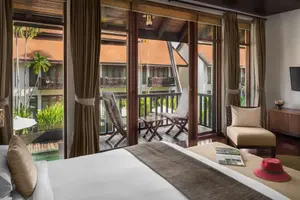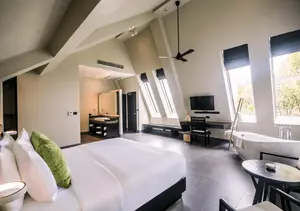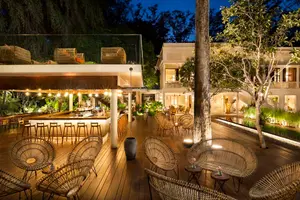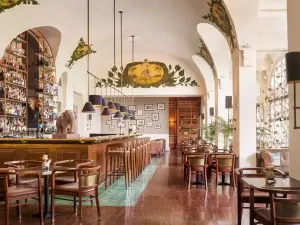
Zannier Phum Baitang
When you book Zannier Phum Baitang in Siem Reap, Cambodia through our Fora Reserve partnership, your stay includes daily breakfast and room upgrades.
Exclusive Booking Perks
- Upgrade to next room category, based upon availability at check-in
- Complimentary welcome drink per guest, per stay (max 2 guests)
- Welcome fruit plate in room on arrival
- Complimentary welcome gift in room on arrival
- Complimentary breakfast (included in the rates)
Location
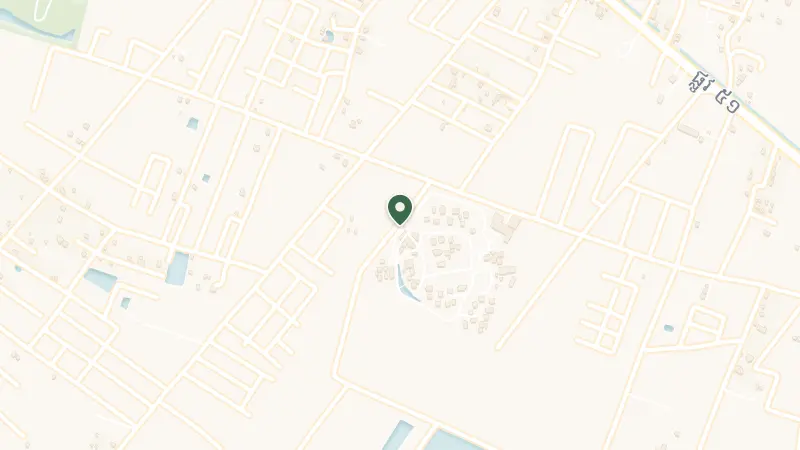
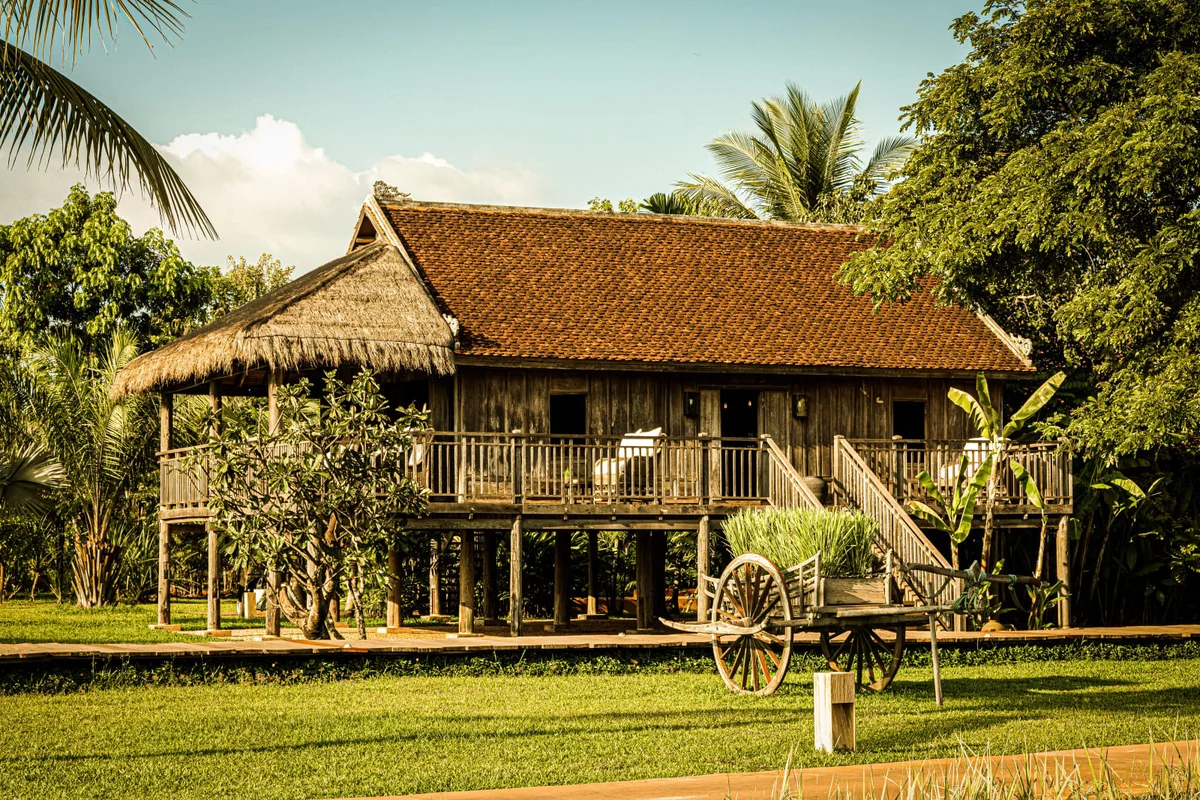
Zannier Hotels plants its properties where landscape and culture converge, and Phum Baitang occupies eight hectares of rice paddies and traditional wooden stilted villas just beyond Siem Reap's centre. The brand's philosophy of fewer than 40 rooms and architecture rooted in place translates here to Khmer-style pavilions scattered across working farmland, where water buffalo graze and farmers harvest rice according to the monsoon calendar. This is Cambodia rendered with intimacy and restraint, a counterpoint to the temple-circuit bustle.
Siem Reap itself wears its French colonial history lightly, visible in the shuttered shophouses of the Old Quarter and the market districts near Phsar Kraoum, where vendors sell silks, spices, and carved apsara figures. The city exists primarily as the gateway to Angkor, the sprawling archaeological park inscribed as a UNESCO World Heritage Site in 1992 and situated eight kilometres north. Beyond the temples, the countryside unfolds in a patchwork of paddies, silk farms, and fishing villages edging Tonlé Sap, Southeast Asia's largest freshwater lake.
Siem Reap-Angkor International Airport lies 43 kilometres east, connected by road transfers that trace the edge of the temple zone. Closer in, the city hums with tuk-tuks, night markets, and apsara performances, but the property's location in the Krous district keeps the rice fields within earshot.
The temples of Angkor demand days, not hours. Ta Prohm remains the most visceral encounter, where silk-cotton trees erupt through sandstone galleries and strangler figs drape across doorways like frozen waterfalls. Banteay Srei, 20 kilometres northeast, offers the finest stone carving in the Angkor complex, its tenth-century lintels depicting Shiva and Parvati in astonishing detail. Phnom Bakheng draws crowds at sunset, but Pre Rup, equally atmospheric and less trampled, rewards early risers with views across the forest canopy. Book a sunrise tour to Angkor Wat itself before the tour buses arrive, when the lotus towers catch the first light and the galleries still smell of incense from the monks' morning prayers.
Back at the property, the day slows to the rhythm of the paddies. Siem Reap's markets cluster two to three kilometres west: Phsar Kraoum for morning produce, Angkor Night Market for silk scarves and shadow puppets. Angkor Golf Resort sits just over a kilometre away for those chasing a different kind of temple worship. The Nature Discovery Center of Cambodia, five kilometres south, offers guided walks through wetland habitats where egrets and painted storks forage along the floodplain.
November through February deliver the region's most forgiving conditions, with temperatures hovering near 30 degrees and skies scrubbed clean after the monsoon. The light turns golden and low-angled, ideal for photographing temple reliefs. Dawn starts cool enough for long walks through Angkor's galleries without wilting by mid-morning.
March and April push past 33 degrees, the air thick and still before the rains. Dust clings to temple stones, and afternoons demand retreat to shaded courtyards. This is the season when Siem Reap feels emptiest, the heat keeping crowds thin.
May through October brings the southwest monsoon, torrential afternoon downpours that flood the rice paddies and turn laterite roads to rust-coloured streams. The temples glisten, moss greening on ancient walls, and the countryside transforms into a jade patchwork. Travel between sites requires patience, but the moats around Angkor Wat fill to their original waterline, and the humidity chases most visitors home, leaving the ruins to those willing to brave the rain.
Frequently Asked Questions
Free service · No obligation
Request a Quote