Hotel Vellita Siem Reap
When you book Hotel Vellita Siem Reap in Siem Reap, Cambodia through our Tablet Plus partnership, your stay includes room upgrades, a complimentary spa treatment and flexible check-in and check-out.
Exclusive Booking Perks
- Upgrade to next room category, based upon availability at check-in
- 20% spa discount (valid towards spa treatments)
- Guaranteed 12pm early check-in
- Complimentary non-alcoholic minibar per room, per day
Location
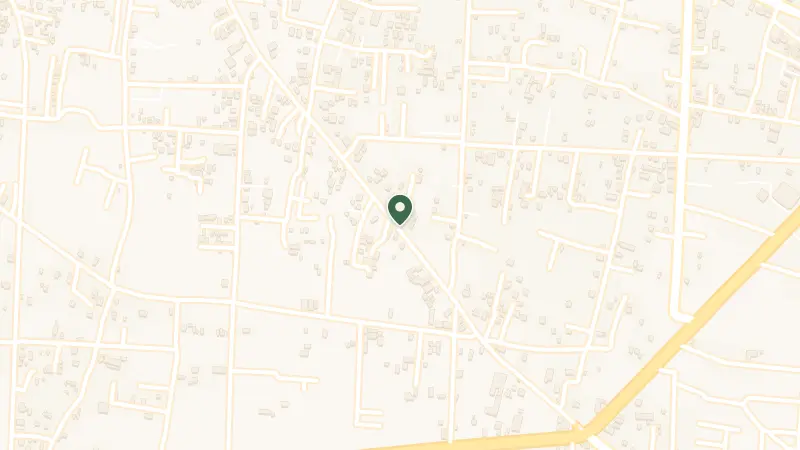
Siem Reap was crowned ASEAN City of Culture for 2021–2022, a recognition that captures the city's dual identity: a living repository of Khmer heritage and a cosmopolitan gateway to the Angkor Archaeological Park. The Old French Quarter unfolds in faded colonial facades and Chinese shophouses, while traditional Apsara dancers move through lamplight in open-air pavilions. Rice paddies stretch toward the horizon, silk farms hum with looms, and the floating villages of Tonlé Sap Lake drift on Southeast Asia's largest freshwater body. This is a city that has learned to honour its ancient past without becoming a museum to it.
The temple complex of Angkor, a UNESCO World Heritage Site eleven kilometres from the city centre, spreads across 400 square kilometres of forested terrain. Stone towers rise from the jungle canopy, where tree roots cleave through galleries and apsara carvings emerge from moss. The city itself pulses with markets, motorcycle traffic, and the aroma of amok and lemongrass drifting from corner kitchens.
Siem Reap-Angkor International Airport lies 39 kilometres from the city, a drive that passes through scrubland and rural villages before reaching the urban core.
Begin at sunrise at Angkor Wat, when the towers catch the first light and the causeway fills with pilgrims and travellers alike. Ta Prohm remains the jungle temple par excellence, where silk-cotton trees claim the sandstone galleries. Banteay Srei, built in 967, reveals the finest stone carving in the Angkorian repertoire: intricate apsaras and narrative reliefs rendered in pink sandstone. Phnom Bakheng offers panoramic views across the forested plain at dusk. Preah Khan and Pre Rup reward those who venture beyond the main circuit. Book a guide who can decode the lintel carvings and explain the hydraulic engineering that sustained a million-person city.
In town, Phsar Kraoum (Old Market) teems with spice vendors, silk scarves, and baskets of palm sugar. The Angkor Night Market opens after dark with lanterns and street food stalls serving bai sach chrouk and grilled squid. A short drive north, Phnom Kulen National Park shelters riverbed carvings and a sacred waterfall where locals bathe beneath the cascade. The Nature Discovery Center, just over a kilometre from the property, introduces Cambodia's wildlife through photography and conservation initiatives.
November through February brings the cool, dry season: mornings begin around twenty degrees Celsius, afternoons settle near thirty, and the skies open wide and cloudless. This is temple-touring weather, when the laterite paths stay firm and the light flatters the sandstone carvings.
March and April turn fierce. The heat climbs past 33 degrees, the air thickens, and the landscape bakes amber. Crowds thin, but the temple stones radiate heat by midday. May through October ushers in the monsoon, when the moats around Angkor fill, the countryside greens, and afternoon downpours clear the dust.
September and October see the heaviest rainfall, transforming dirt roads into red streams and bringing the rice paddies to life. The temples empty, and the jungle steams.
Frequently Asked Questions
Free service · No obligation
Request a Quote