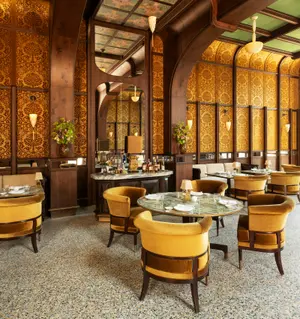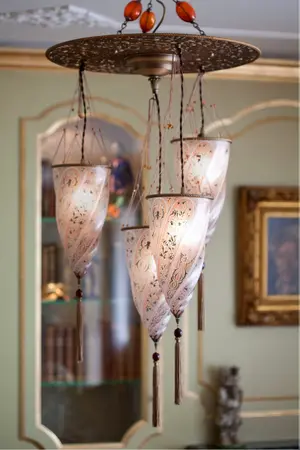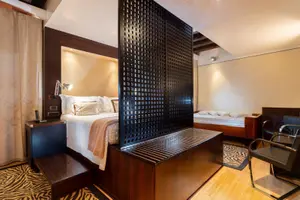
Hyatt Centric Murano Venice
When you book Hyatt Centric Murano Venice in Venice, Italy through our Hyatt Privé partnership, your stay includes daily breakfast, room upgrades and a hotel credit.
Exclusive Booking Perks
- Welcome amenity provided to guests upon arrival.
- Daily complimentary full breakfast at a hotel restaurant for up to two guests.
- Property credit (value varies by property).
- Priority for room upgrade (response within 24 hours of booking, subject to forecasted occupancy).
- Early check-in/late check-out/connecting rooms (response within 24 hours of request, subject to forecasted occupancy).
Location
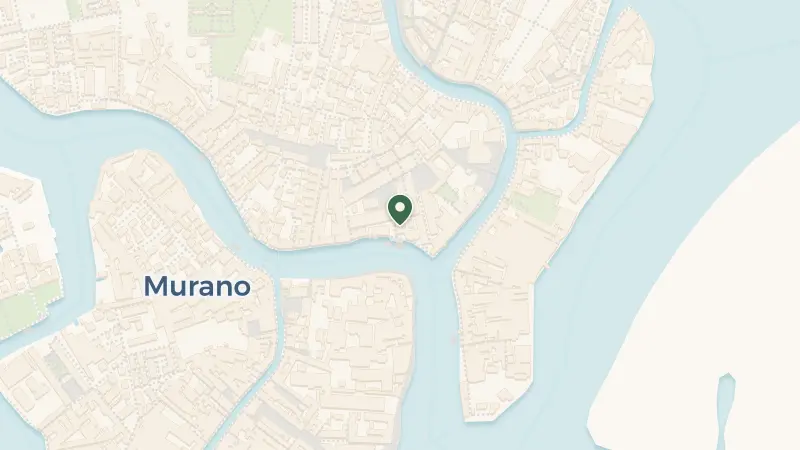
Hyatt operates properties across the spectrum, from efficient select-service hotels to ultra-luxury estates, united by the World of Hyatt programme that delivers consistently strong value for loyalty. The Murano outpost occupies one of Venice's quieter satellite islands, where glass-blowing furnaces have shaped the Venetian economy since the 13th century. The Republic moved its glassmakers here in 1291, fearing fire and protecting trade secrets; today, the island retains that artisan character, with fewer tourists and more working ateliers than the centro storico.
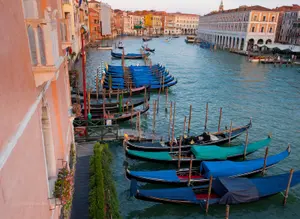
Murano feels like a miniature Venice: canals lined with pastel facades, a Byzantine-Romanesque basilica (Santi Maria e Donato, 7th-century mosaics intact), and the hum of workshop tools rather than megaphone-wielding tour guides. The vaporetto from Fondamente Nove reaches the island in seven minutes, a short hop that transforms the atmosphere entirely. Walk south along the Riva Longa and you'll pass showrooms where master glassblowers still work molten silica into chandeliers and goblets, techniques unchanged for centuries.
Venice proper, three kilometres across the lagoon, remains the former capital of a maritime republic that ruled the Adriatic for a millennium. The entire city and its lagoon, inscribed as a UNESCO World Heritage Site in 1987, sprawl across 126 islands linked by 472 bridges. Marco Polo Airport lies five kilometres north; water taxis reach the island in 20 minutes, or take the Alilaguna boat for a slower, more atmospheric arrival.
Glam Enrico Bartolini, the two-Michelin-starred flagship inside Palazzo Venart, sits 2.6 kilometres south in the San Polo district. The kitchen transforms Adriatic seafood and Veneto produce into creative contemporary plates; book weeks ahead. Closer to the property, the Rialto Market (2.5 kilometres) opens before dawn, fishmongers laying out canocchie, scallops, and baby octopus on marble slabs slick with ice. The market has anchored Venice's culinary life since 1097, and the morning energy, dialect banter, and iodine smell of the lagoon make it essential. For a longer excursion, Antica Osteria Cera in Lughetto (19 kilometres northeast) holds two stars for seafood-focused modern Italian cuisine, a favourite among locals willing to leave the islands.
Murano's Museo del Vetro, housed in the Palazzo Giustinian, traces glassmaking from Roman fragments to Art Nouveau masterpieces. Across the Canale dei Marani, the Basilica di Santi Maria e Donato shelters a 12th-century mosaic floor depicting peacocks and griffins in intricate geometric patterns. Don't miss the free beach at San Nicoletto, 4.6 kilometres east on the Lido, a sand stretch where Venetians swim without the crush of resort cabanas. For deeper nature, Oasi Valle Averto WWF (19.5 kilometres) protects brackish lagoon wetlands thick with herons and egrets, accessible by boat and boardwalk.
July and August bring the fiercest heat, highs near 28°C, and the worst crowds. The stone streets radiate warmth, and the canals hang thick with humidity. Acqua alta, the seasonal flooding, peaks in November, when storm surges push lagoon water into the piazzas and sandbag barricades appear at doorsteps.
Spring (April and May) offers the city at its most luminous: wisteria drapes over garden walls, light slants gold across the water, and temperatures hover in the high teens. The Biennale opens in late May, drawing the art world but not yet the summer crush.
Autumn (September and October) rivals spring for comfort, though October rain can be persistent. Winter sees fog roll across the lagoon at dawn, muting colours and emptying the alleyways. December and January drop to single digits, but the lack of tourists and the chance to see Venetians reclaim their city make the chill worthwhile.
Frequently Asked Questions
Free service · No obligation
Request a Quote 6 Bib Gourmand