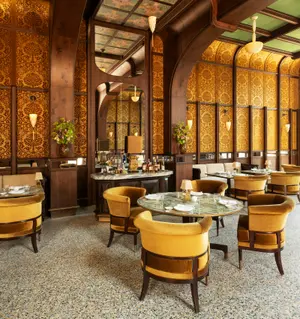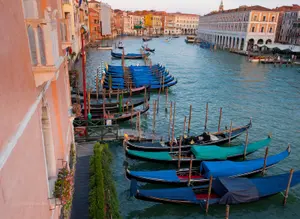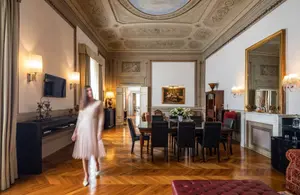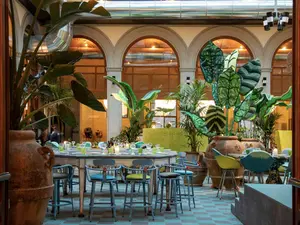
Baglioni Hotel Luna - The Leading Hotels of the World
When you book Baglioni Hotel Luna - The Leading Hotels of the World in Venice, Italy through our Palace Pro Agents partnership, your stay includes daily breakfast, room upgrades and a $100 hotel credit.
Exclusive Booking Perks
- Early check-in & late check-out (subject to availability)
- Welcome amenities
- Complimentary room upgrade (subject to availability)*
- $100 USD food and beverage credit
- Complimentary breakfast
- Upgrade requests may be submitted by agents up to 15 days prior to arrival
- Upgrades apply only from Run of House (ROH) to the next available room category
Location
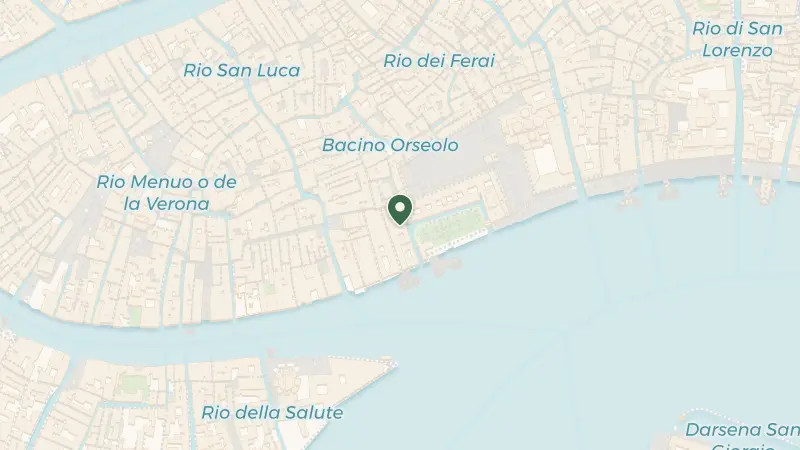
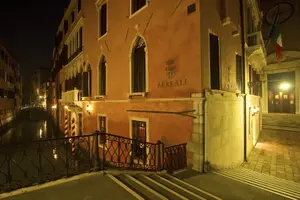
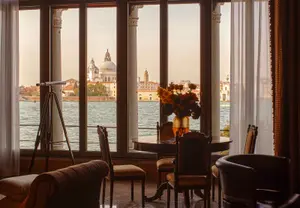
The hotel stands on the Calle Larga dell'Ascensione, steps from the eastern colonnade of Piazza San Marco, where the republic's political and spiritual heart still beats beneath the basilica's Byzantine domes. This is Venice at its most concentrated: the Doge's Palace rises just beyond the square, its Gothic arcades opening onto the lagoon, while the Bell Tower casts its shadow across the pavement where processions once announced the doges' coronations. Founded in the fifth century across 126 islands separated by canals and joined by 472 bridges, Venice transformed from a refuge into a maritime empire that commanded the Adriatic for nearly a millennium. The city served as the Republic of Venice's capital from 810 to 1797, a major financial power and staging ground for the Crusades, its wealth built on silk, grain, and spice trades that flowed through its wharves.
San Marco remains the city's ceremonial centre, though only 50,000 residents now inhabit the historic islands while the rest of Venice's population has shifted to the mainland. The neighbourhood hums with the particular acoustics of a city without cars: footsteps on stone bridges, the slap of water against palazzo foundations, the calls of gondoliers navigating the rii that branch off the Grand Canal.
Venice Marco Polo Airport sits 8 kilometres northeast across the lagoon, connected by water taxi, private boat transfer, or the Alilaguna line that winds through the canals to deliver arrivals practically to the hotel's watergate.
The immediate surroundings demand slow exploration. St Mark's Basilica stands at the square's far end, its gilded mosaics and marble floors testament to the republic's Byzantine connections and the relics of Saint Mark the Evangelist enshrined within. The Doge's Palace, attached to the basilica, opens its Gothic halls and the infamous Bridge of Sighs to visitors tracing the path of condemned prisoners. Walk 800 metres northwest to the Rialto Market, where fishmongers still sell Adriatic catch at dawn beneath the same arcades that fed the city for centuries. Book a table at Glam Enrico Bartolini, just over a kilometre away within Palazzo Venart's gates, where the chef's two Michelin stars illuminate creative contemporary cuisine in one of Venice's most exclusive settings.
Beyond the centro storico, the lagoon's other islands beckon. Murano's glass furnaces glow with centuries-old techniques, while Burano's lace-makers work beneath houses painted in primary colours that cut through the fog. For serious gastronomy, cross the lagoon to Le Calandre in Rubano, 41 kilometres west, where the Alajmo family has held three Michelin stars with creative contemporary cooking in a softly lit dining room that feels worlds away from Venice's tourist press.
July and August bring the highest temperatures, climbing past 27°C, when the stones radiate heat and the canals smell brackish. Crowds thicken, but the season offers long evenings when golden light slants across the lagoon and the city's festivals animate the campi.
April through June and September into early October provide the most forgiving weather: temperatures between 16°C and 24°C, sufficient warmth for walking without the summer crush. Spring rains can be persistent, particularly in March and April, but they clear the streets and leave the city glistening. Autumn light turns amber, the acqua alta begins its occasional flooding of the lower squares, and the Biennale draws its final crowds.
Winter, from November through February, sees temperatures drop below 10°C and mist rolls in from the lagoon, softening the city's edges. December is the driest month. This is Venice at its most atmospheric: fewer visitors, locals reclaiming the calli, and the particolare stillness that settles over water when the Adriatic wind pauses.
Frequently Asked Questions
Free service · No obligation
Request a Quote 5 Bib Gourmand