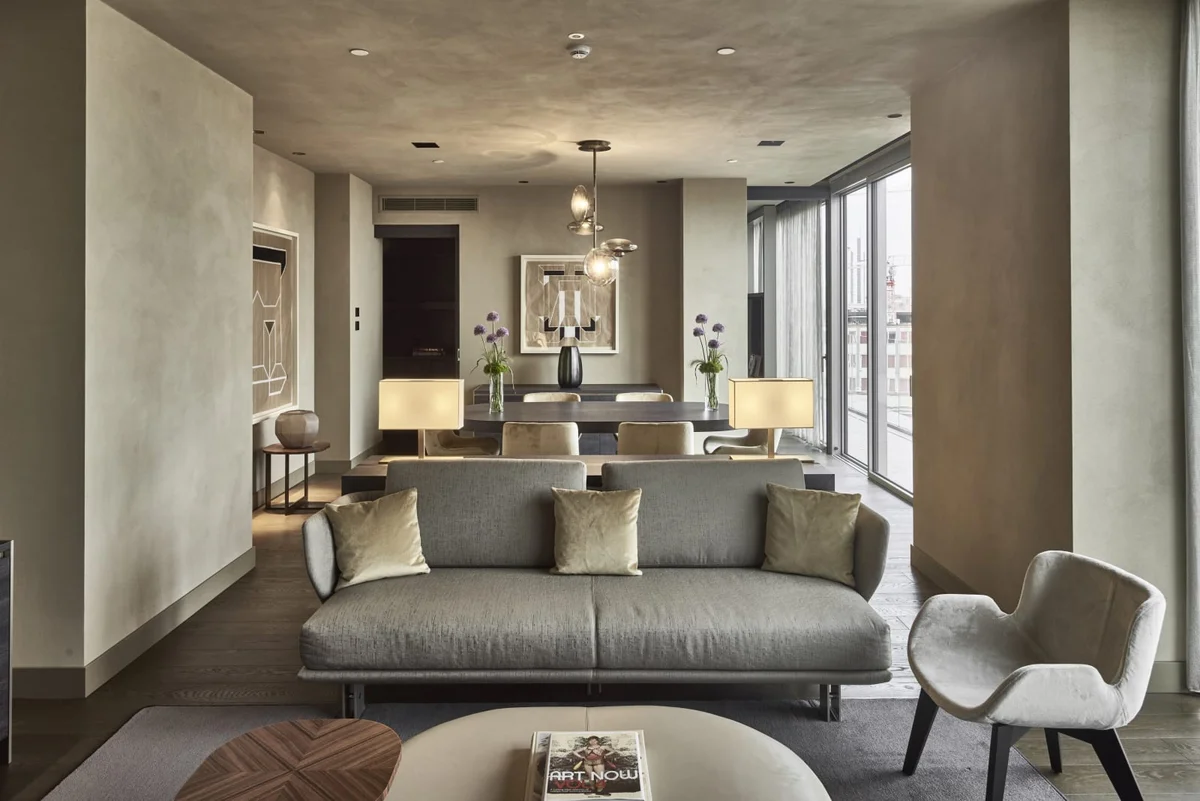
Hotel Viu Milan
When you book Hotel Viu Milan in Milan, Italy through our Design Hotels Collective partnership, your stay includes daily breakfast, room upgrades and flexible check-in and check-out.
Exclusive Booking Perks
- VIP status
- Daily breakfast for two
- Room upgrade, early check-in, and late check-out (subject to availability)
- Aperitif for two on the terrace
- 10% discount at BULK Restaurant
- Bottle of Prosecco and fresh fruit on arrival
- Complimentary parking
Location
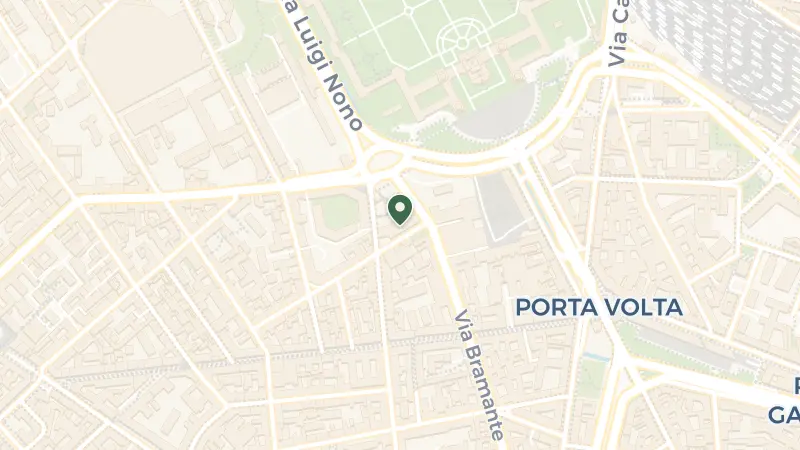
The property sits in the Porta Volta district, a quiet neighbourhood once defined by its role as Milan's northern gate through the 16th-century Spanish walls. This is not the Milan of the Quadrilatero della Moda, but a more residential pocket where the pace slows and the architecture shifts from grand palazzi to tree-lined boulevards and modest apartment blocks. The area has long served as a connector, linking the city to Como and, more recently, to the Monumentale cemetery and Porta Garibaldi station. Today, it offers a respite from the traffic of the centre while keeping you within easy reach of Milan's creative and financial heart.
Walk south and you reach the Chinatown district around Via Paolo Sarpi, where market stalls spill onto pavements and the scent of soy and star anise drifts from shopfronts. To the east, the Naviglio della Martesana cuts a quiet waterway through the city, a remnant of Milan's canal network that once rivalled Venice. The Monumentale cemetery, with its Art Nouveau tombs and sculpted angels, lies just north, a serene open-air museum of Milanese ambition and grief.
Linate Airport sits nine kilometres southeast, a quick taxi ride through the city's industrial fringes. Malpensa, the larger international hub, is 39 kilometres northwest, connected by express rail and motorway.
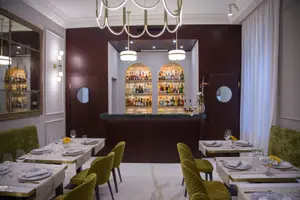
Morelli, the on-site restaurant, serves contemporary creative cuisine exclusively at dinner, either in the dining room or at the chef's table in the kitchen. The menu leans into seasonal ingredients with a light hand, avoiding the weightiness of traditional Lombard cooking. For serious gastronomy, head to Enrico Bartolini al Mudec, 3.7 kilometres south, where Bartolini and resident chef Davide Boglioli have earned three Michelin stars for dishes that layer intensity and precision without excess. Closer in, at 1.9 kilometres, Seta by Antonio Guida at the Mandarin Oriental offers two-star international cuisine that reflects Milan's cosmopolitan pull. Book a table at Bartolini well in advance; the reservation list fills weeks out.
The Church and Dominican Convent of Santa Maria delle Grazie, two kilometres southwest, houses Leonardo da Vinci's "The Last Supper" in its refectory. Bramante's late 15th-century reworking of the complex frames the mural with Renaissance geometry, though the painting itself requires timed-entry tickets booked weeks ahead. Closer to the property, the Mercato della Terra, 200 metres away, brings regional producers to the neighbourhood each week, selling fresh pasta, mountain cheeses, and jars of golden honey from the Lombard foothills.
Winter cloaks the city in grey light and cold fog, with January highs around seven degrees and frost settling on cobblestones. By February, rain arrives in heavy bursts, washing the streets clean but rarely lingering. The season suits gallery visits and long dinners, though wool coats and scarves are non-negotiable.
Spring begins tentatively in March, with temperatures climbing into the low teens and magnolia trees blooming along the boulevards. April and May bring warmth and sudden downpours, the latter month often drenched but lush, the parks vibrant and the outdoor cafes beginning to fill. This is Milan at its most hopeful, the light lengthening and the city shedding its winter reserve.
Summer heat peaks in July and August, when highs near 29 degrees and humidity settles over the city like a blanket. Many Milanese flee to the lakes or mountains, leaving the centre quieter but still functional. Autumn, particularly September and early October, offers the finest weather: warm afternoons, cooler evenings, and the kind of golden light that makes even the most austere Rationalist facades look forgiving.
Frequently Asked Questions
Free service · No obligation
Request a Quote 7 Bib Gourmand