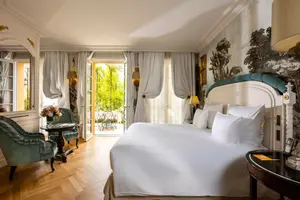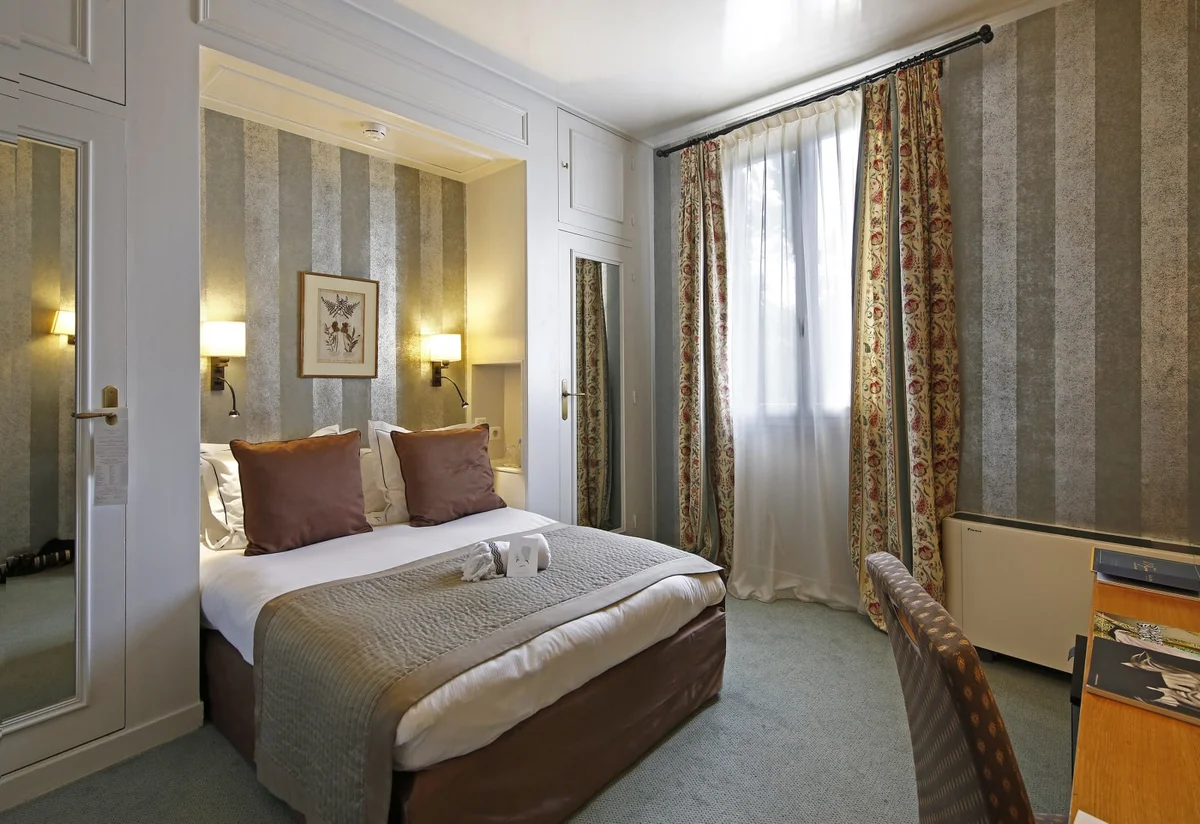
Hotel Le Pigonnet
When you book Hotel Le Pigonnet in Provence, France through our Tablet Plus partnership, your stay includes daily breakfast and room upgrades.
Exclusive Booking Perks
- Upgrade to next room category, based upon availability at check-in
- Complimentary half day rental of e-bikes per guest, per stay
- Complimentary daily breakfast (max 2 guests)
- Complimentary bottle of rosé in room on arrival
Location
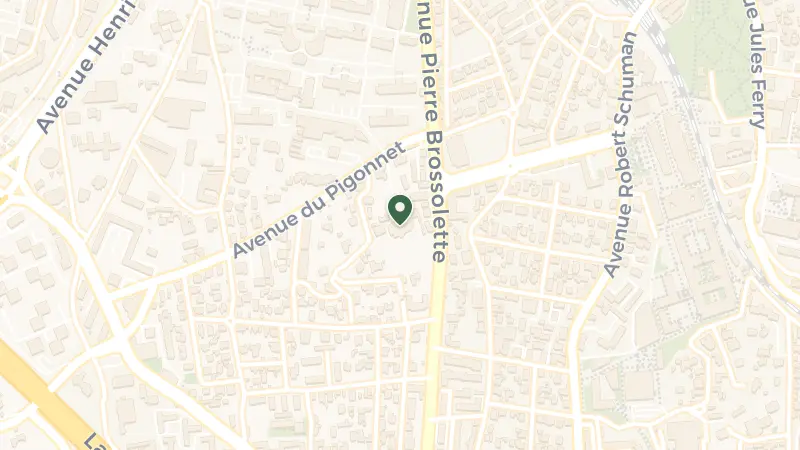
Hotel Le Pigonnet anchors itself in the residential Pont de l'Arc neighbourhood just south of central Aix-en-Provence, a city where honey-toned limestone and the memory of Cézanne define the streetscape. This is Provence at its most polished: plane trees shading café terraces, fountains murmuring in cobbled squares, the scent of lavender mingling with espresso.
Walk fifteen minutes north and you reach the Cours Mirabeau, Aix's grand boulevard lined with 17th-century hôtels particuliers, then the maze of the old town where markets unfold daily. The Marché Place Richelme spreads across ancient paving stones barely a kilometre and a half away, vendors arranging herbs and figs under canvas awnings. Nearby, the flower market at Place des Précheurs perfumes the air with roses and wild thyme.
Aix grew from a Roman spa town into the capital of Provence, its university founded in 1409, its parliament housed in baroque palaces. Today it balances that history with a living cultural pulse: art galleries in converted chapels, bookshops in medieval arcades, the echo of Cézanne's obsession with Montagne Sainte-Victoire visible from rooftops across the city. Marseille Provence Airport lies twenty-one kilometres southwest, connected by shuttle bus in roughly half an hour.
Aix's culinary pull extends well beyond its borders. Marseille, a short drive south, claims three of France's nine three-Michelin-starred restaurants: Le Petit Nice, where Gérald Passédat translates the Mediterranean into seafood courses shaped by family and coastline, AM par Alexandre Mazzia near the Stade Vélodrome, where Congolese-inflected creativity turns small plates into art, and La Villa Madie perched above Anse Corton with views of Cap Canaille. Book a table at any of these to understand Provence beyond the cliché of rustic simplicity.
Closer in, the markets reward early risers. Start with the Marché d'Encagnane less than a kilometre from the property, then graduate to the flower market and Place des Précheurs for cheese, olives, and tapenade sold by producers who'll debate terroir as readily as price. Wineries dot the countryside: Château de Meyreuil six kilometres east, Domaine Bargemone twelve kilometres south for estates that open their cellars without formality. The Réserve naturelle nationale de Sainte-Victoire, eight kilometres north, offers hiking trails beneath the limestone ridge Cézanne painted obsessively, the rock face shifting from ochre to violet as afternoon light slants across it.
Summer burns bright and dry: July and August push past twenty-nine degrees, the air shimmering over terracotta rooftops, café awnings offering the only shade. This is lavender season, the fields around Valensole plateau violet under relentless sun, but Aix itself quiets as locals escape the heat.
Spring and autumn soften the edges. May brings wildflowers to the garrigue and sudden afternoon showers that leave the limestone glistening, while September stretches warm days into longer evenings, the markets still abundant with tomatoes and melons. October cools to the high teens, plane trees turning gold along the boulevards.
Winter is mild but mercurial: mornings can dip below freezing, afternoons climb to double digits, and the mistral wind scrapes down from the Rhône valley with startling force. The city contracts inward then, locals filling brasseries for daube and warmth, the light turning crystalline and low.
Frequently Asked Questions
Free service · No obligation
Request a Quote 12 Bib Gourmand