Constance Halaveli
When you book Constance Halaveli in North Ari Atoll, Maldives through our Leading Hotels (LHW) partnership, your stay includes daily breakfast and flexible check-in and check-out.
Exclusive Booking Perks
- Daily breakfast
- VIP status
- Early check in/Late check out
Location
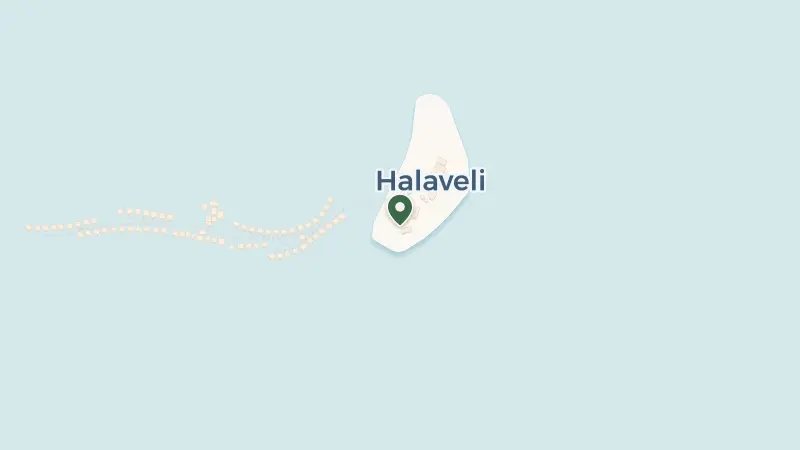
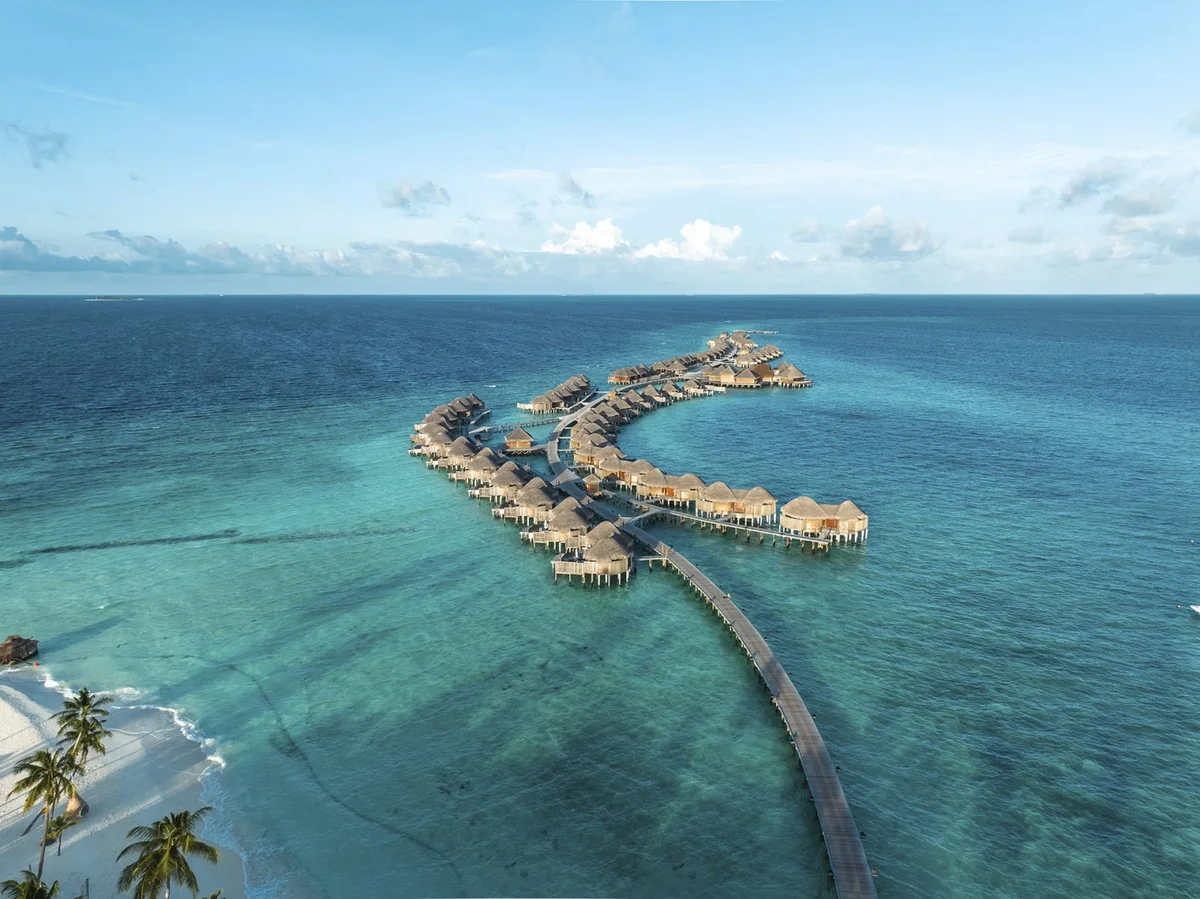
North Ari Atoll stretches across a scatter of islands where the Indian Ocean deepens from turquoise shallows to cobalt channels, the water so clear that eagle rays glide visibly over coral gardens twenty metres below. Halaveli sits within this constellation of low-lying islands, many inhabited since ancient times; archaeological remains from the Maldivian Buddhist period surface on neighbouring atolls, remnants of a pre-Islamic civilisation that thrived here before the twelfth century. The administrative division formed in 1984 when the northern section of Ari Atoll merged with Rasdhukuramathi and the isolated island of Thoddoo, creating one of the country's prime diving corridors.
The rhythm here follows the tides and the light: mornings begin with dhoni boats puttering across mirror-flat lagoons, afternoons slow under the equatorial sun, evenings arrive with sudden violet skies and the sound of waves folding over house reefs. Neighbouring islands retain traditional rhythms, fishing villages where wooden boats are still built by hand and daily life turns on the monsoon calendar.
Velana International Airport lies seventy kilometres southeast across open water; transfer by seaplane takes thirty minutes, the approach revealing the atoll's geometry from above, a necklace of sand rimmed in reef.
Halaveli reef encircles the island at a swimmable distance, its drop-off beginning metres from shore. Halaveli dive site sits just over two kilometres offshore; Bidu Thila, less than four kilometres north, draws manta rays and grey reef sharks to its cleaning stations during the northeast monsoon. Ellaidhoo house reef, roughly four kilometres east, offers wall dives where currents bring nutrient-rich water and pelagic visitors. The atoll's channels funnel tidal flows that concentrate marine life: whitetip sharks, Napoleon wrasse, schools of fusiliers moving like liquid silver.
For those inclined toward inhabited islands, Ukulhas lies twenty kilometres south, its bikini beach a rare concession in the conservative outer atolls. Book a dhoni excursion at dawn when the light slants low across the water and spinner dolphins surface in the deep channels. The property's relative isolation means most experiences happen on the water or beneath it; there are no markets within reach, no temples or ruins to visit, only the elemental pull of reef, sand, and open ocean.
January through March delivers the driest months, the northeast monsoon moderating humidity and bringing consistent visibility for divers. The light in February turns almost crystalline, temperatures hovering near twenty-seven degrees with minimal rain.
April and May bridge the seasons, heat building toward the southwest monsoon. Afternoons grow heavy, the ocean flattening into glass before brief squalls sweep through. May sees rainfall increase, though mornings often remain clear.
June through November brings the wettest period, precipitation peaking in October. Rain arrives in fast-moving bands rather than prolonged downpours, and the water stays warm. Plankton blooms during these months draw manta rays to the atoll's channels, making it prime season for encounters despite the weather's unpredictability.
Frequently Asked Questions
Free service · No obligation
Request a Quote