Anantara Kihavah Maldives Villas
When you book Anantara Kihavah Maldives Villas in Baa Atoll, Maldives through our Virtuoso partnership, your stay includes daily breakfast, room upgrades and a $100 hotel credit.
Exclusive Booking Perks
- Upgrade on arrival, subject to availability
- Daily breakfast for up to two guests per bedroom, served in the restaurant (already included in property rates)
- $100 USD equivalent Food & Beverage credit to be utilized during stay (not combinable, not valid on room rate, no cash value if not redeemed in full)
- A complimentary 50 minute massage for up to two people, per room, once during stay
- Early check-in / Late check-out, subject to availability
Location
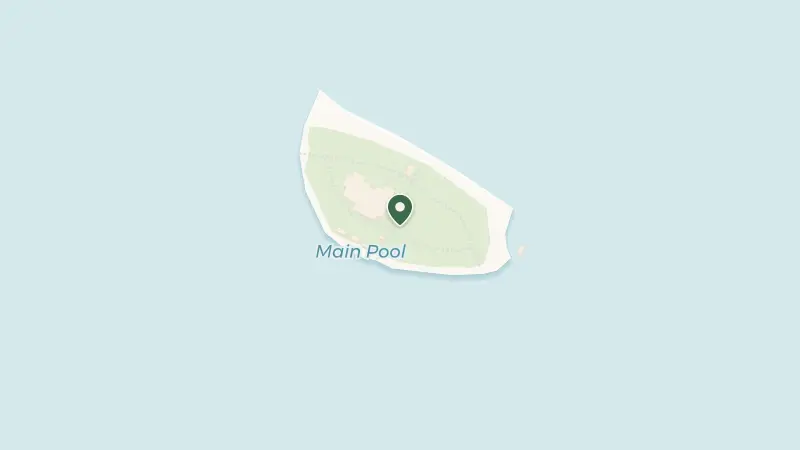
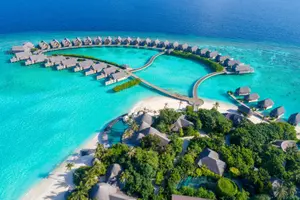
Anantara's philosophy of limitless cultural immersion finds an aquatic expression in the Maldives, where the emphasis shifts from urban heritage to the rhythms of reef and lagoon. The brand's cooking schools and curated excursions adapt here to marine ecosystems: think guided snorkelling with resident biologists rather than market tours, celestial navigation lessons instead of temple visits. The property occupies a private island in Baa Atoll, a UNESCO Biosphere Reserve recognized for its exceptional biodiversity and seasonal manta ray congregations.
The Maldives exists as a constellation of 26 atolls scattered across the Indian Ocean, each a ring of coral encircling a turquoise lagoon. Baa Atoll lies in the northwestern quadrant of this archipelago, far enough from the capital to feel genuinely remote yet accessible via seaplane. The atoll's fame rests on Hanifaru Bay, where hundreds of manta rays gather between May and November to feed on plankton blooms, creating one of the ocean's great natural spectacles.
The nearest inhabited islands, Kamadhoo and Dhonfanu, lie roughly ten kilometres away, visible as green smudges on the horizon. Velana International Airport, the country's main gateway on Hulhulé Island near Malé, sits 133 kilometres to the south, requiring a scenic seaplane transfer that doubles as an introduction to the atolls' impossible geometry of sand and sapphire.
The property's location within a biosphere reserve makes marine encounters the defining experience. Dive sites like Dhigu Thila and Kuda Gaa, both roughly fifteen kilometres distant, offer drift diving along coral walls where eagle rays glide past and reef sharks patrol the blue. The house reef requires no boat transfer, just a mask and fins. Book an excursion to Hanifaru Bay during manta season (permit-controlled, limited daily visitors) for the chance to snorkel among feeding mantas in water so thick with plankton it clouds like milk. Between June and October, whale sharks often join the gathering.
Anantara's cooking school adapts to the setting with Maldivian fish curries and coconut-based mas huni, the traditional breakfast of tuna, coconut, and chilli. The brand's spa programming here incorporates tidal rhythms and open-air treatment pavilions. For a meal that suspends disbelief, the property operates SEA, an underwater restaurant six metres below the surface where glassfish swirl past while you work through a tasting menu. Start your mornings watching spinner dolphins arc through the channels between atolls, particularly active at dawn when the water lies still as hammered silver.
The Maldives holds steady near 28 degrees year-round, but two monsoons divide the calendar into distinct moods. December through April brings the northeast monsoon, the dry season of glassy lagoons and cloudless skies. February and March are driest, the sun relentless, the visibility underwater extraordinary.
May inaugurates the southwest monsoon, the wet season that stretches through November. Rain arrives in sudden afternoon squalls that darken the horizon and churn the sea, then vanish as quickly. The trade-off: this is manta season, when plankton blooms draw the rays to Hanifaru in numbers that peak between August and October.
November marks the transition back to dry conditions, the ocean calming, the light turning crisp again. The water temperature never drops below 26 degrees. Most travelers favor the dry months for guaranteed sun, but the shoulder seasons of May and November offer fewer crowds and still-excellent conditions for divers unbothered by occasional rain.
Frequently Asked Questions
Free service · No obligation
Request a Quote