BE Destination Tulum
When you book BE Destination Tulum in Riviera Maya, Mexico through our Inner Core partnership, your stay includes daily breakfast, room upgrades and a $100 hotel credit.
Exclusive Booking Perks
- Room upgrade (subject to availability at check-in)
- $100 USD/EUR property credit (once per stay)
- Daily breakfast for 2 guests, per day
- Late Check-Out
- Early Check-In Time (based on availability)
Location
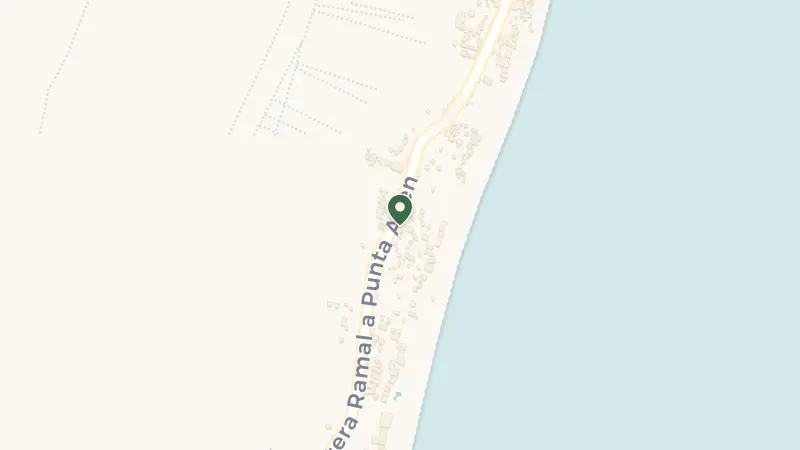
Tulum stretches along the Caribbean coast where powdery white sand meets turquoise water so clear you can count fish from the shore. This is the Riviera Maya's bohemian edge, a place where ancient Maya ruins stand sentinel on clifftops and cenotes puncture the jungle floor like windows into the underworld. The town itself sprawls between two distinct zones: the beachfront hotel zone, where palapa-roofed properties face the sea along a sandy road, and the inland pueblo, where local families run taquerías and the pace slows to the rhythm of bicycles and motorbikes.
The ruins at Tulum, perched 12 metres above the waves, were among the last cities the Maya built before Spanish contact. This was a thriving port for Coba, and the remnants of that maritime power, still visible in the weathered temples within their defensive walls, draw visitors who come to understand what made this coastline strategic centuries before the first resort opened. The site sits close enough to reach on foot from many properties, and arriving early means watching the limestone walls glow amber in the morning light.
Felipe Carrillo Puerto International Airport lies 21 kilometres south, a newer gateway that has made Tulum more accessible without funneling everyone through Cancún, 118 kilometres north. The drive from either airport threads through jungle and occasional villages, offering glimpses of the Yucatán's quieter side before the Caribbean announces itself in a shimmer of heat and salt air.
The coastline here is a study in contrasts: powdery beaches like Playa Paraiso, eight kilometres down the shore, where you can wade out 30 metres and still touch bottom, and the more dramatic stretches near Amansala Beach, less than four kilometres away, where the waves pick up and the sand compacts underfoot. Cenote Corazon, seven and a half kilometres inland, offers freshwater swimming in a cavern lit by shafts of sunlight, the water so cold it shocks the skin. For those drawn to what lies beneath, Tulum Scuba operates eight kilometres south, leading dives into the region's extensive cave systems where limestone corridors open into cathedral-sized chambers.
Book a table at one of the pueblo's family-run ceviches stands, where pescado fresco arrives daily and the tostadas come piled with habanero-spiked toppings. Parque Nacional Tulum, just over ten kilometres away, protects the archaeological zone and the coastal forest around it, offering trails that wind through thorny scrub where iguanas sun themselves on ancient stones. Sian Ka'an, the vast biosphere reserve 64 kilometres south, translates to "Origin of the Sky" in Yucatec Maya. Its wetlands and mangrove channels shelter jaguars, manatees, and over 300 bird species, a reminder that this coast was wilderness long before it became a destination.
Winter months bring high season crowds but also the most comfortable conditions, with daytime temperatures hovering around 26 degrees and humidity dropping just enough to make midday exploration bearable. The light during this period has a particular clarity, the kind that photographers chase, with hard shadows and saturated blues.
Spring heats up through April and May, the mercury climbing past 29 degrees and the jungle taking on a thirsty, rustling quality. By late May, the first rains arrive, sudden and heavy, turning the dust to mud and filling the cenotes.
Summer and early autumn are hurricane season, with September seeing the heaviest rainfall. The coast empties of visitors, prices drop, and the heat settles like a blanket. Those who come now find a quieter Tulum, the beaches theirs to claim, the ruins nearly empty at dawn. October and November taper off, the rains easing and the air beginning its slow shift toward the dry season's crispness.
Frequently Asked Questions
Free service · No obligation
Request a Quote 2 Bib Gourmand