Banyan Tree Cabo Marques
When you book Banyan Tree Cabo Marques in Acapulco, Mexico through our Accor Hera partnership, your stay includes daily breakfast, room upgrades and a $100 hotel credit. Plus, for a limited time, a complimentary night is included with your stay.
Special Offer: 4th night free
4th night free
Exclusive Booking Perks
- Daily complimentary breakfast for 2, per room
- VIP Welcome
- USD 100 credit to be spent on property (conditions defined at check-in)
- Early check-in & late check-out (upon availability)
- Upgrade at time of check-in (upon availability)
Location
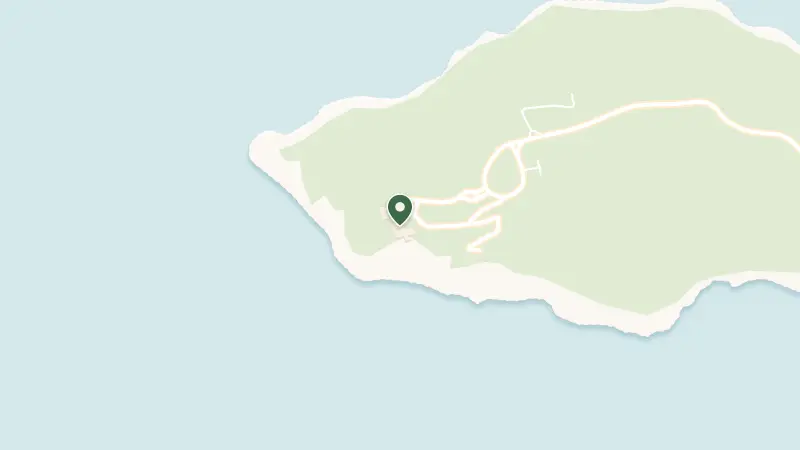
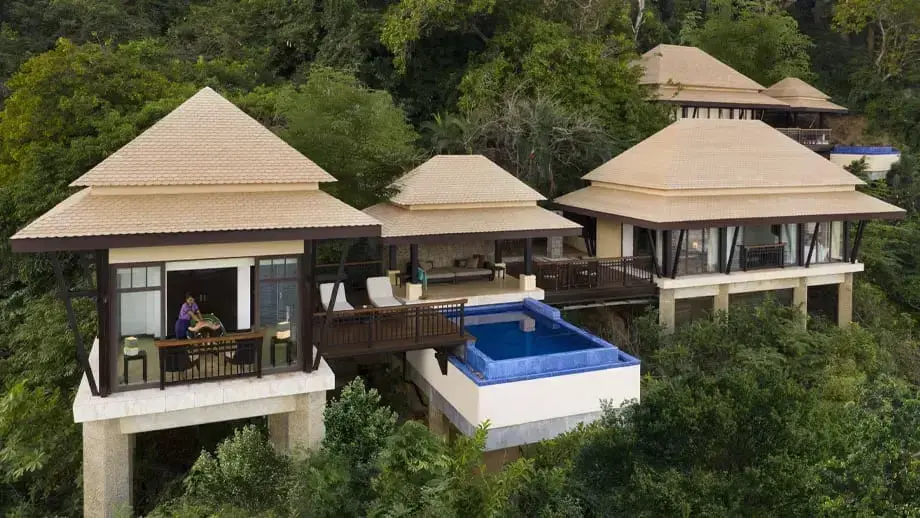
Banyan Tree brings its signature Southeast Asian wellness philosophy to the Pacific Coast, pairing private pool villas and spa treatments rooted in Asian healing traditions with conservation programmes that support local environmental and community initiatives. The property sits in Cabo Marqués, a residential headland on Acapulco's quieter southern shore, where the coastline fractures into coves and the Sierra Madre foothills meet the sea. This is not the Acapulco of mid-century Hollywood folklore. The city, once a playground for stars and millionaires, has receded from the international stage, its golden-age glamour now a memory preserved in faded postcards and the curves of the Costera.
Cabo Marqués offers a remove from the urban density of central Acapulco, a neighbourhood of villas and gated retreats overlooking the bay. The nearest beaches, Playa Puerto Marqués and Playa Majahua, are strands of pale sand sheltered by the headland, their waters calmer than the open Pacific swells that pound the northern coast. Puerto Marquez marina lies less than two kilometres away, a working harbour where pangas bob alongside yachts.
General Juan N. Álvarez International Airport is twelve kilometres north, a short transfer by car along the coastal highway.
The property's spa draws on Banyan Tree's Asian heritage, offering treatments that blend Thai, Balinese, and Ayurvedic techniques with locally sourced ingredients. Without a Michelin presence within fifty kilometres, the focus shifts to the bay's seafood traditions: pescado a la talla (butterflied fish rubbed with chilli paste and grilled), ceviche acapulqueño spiked with lime and serrano, and pozole verde prepared with pumpkin seed and epazote. Mercado de la Diana and Mercado De Santa Lucia, both around seven kilometres northwest, pulse with stalls selling mole pastes, dried chilhuacles, and warm tortillas pressed to order. Book a table at a beachfront palapa in Puerto Marqués for grilled dorado served whole with rice and black beans.
Parque Nacional El Veladero, nine kilometres inland, protects montane forest and pre-Hispanic petroglyphs carved into cliffsides above the bay. The golf courses at Vidanta and Club de Golf, both seven kilometres away, wind through terrain where iguanas bask on cart paths. Playa Guitarrón, a four-kilometre drive west, is a crescent of fine sand backed by palms, its shallows warm and translucent.
November through April is the dry season, when skies stay cloudless and daytime highs settle around thirty degrees. The light is sharp, the bay glittering under steady sun, and the humidity lifts enough to make afternoons on the sand comfortable. Mornings arrive cool, the air clean off the Pacific.
May marks the shift. By June, monsoon rains sweep in from the southwest, drenching the sierra and turning the city's streets into rivers. July through October brings the heaviest precipitation, with September topping three hundred millimetres, though storms often pass in fierce bursts that clear by evening. The vegetation thickens, the hills turn emerald, and the air hangs heavy with salt and moisture.
Winter remains the favoured window for travel, when the rains have passed and the coastline feels scrubbed and bright.
Frequently Asked Questions
Free service · No obligation
Request a Quote