Windjammer Landing Resort and Residences
St. Lucia Saint Lucia Caribbean & Central America
When you book Windjammer Landing Resort and Residences in St. Lucia, Saint Lucia through our Leading Hotels (LHW) partnership, your stay includes daily breakfast and flexible check-in and check-out.
Exclusive Booking Perks
- Daily breakfast
- VIP status
- Early check in/Late check out
Location
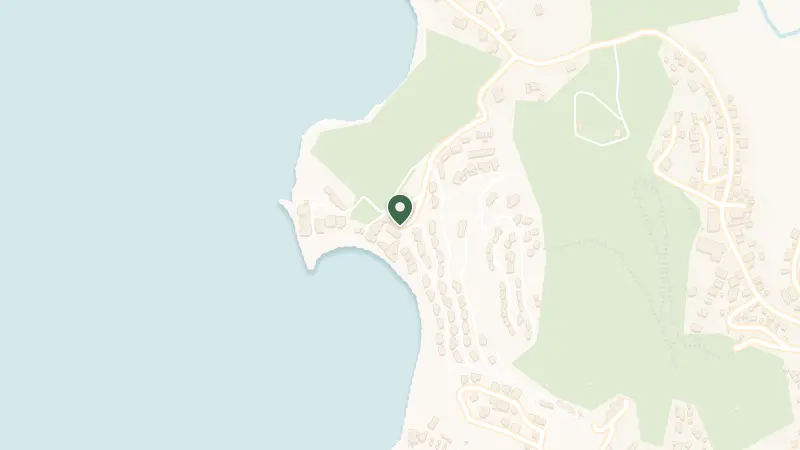
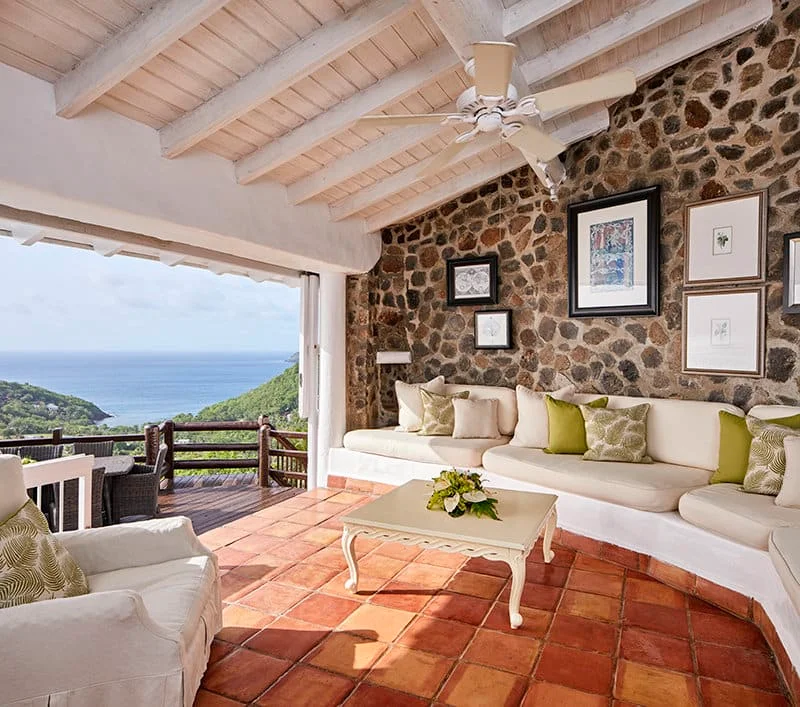
Windjammer Landing occupies a hillside stretch of St. Lucia's northwest coast, where the Caribbean meets forested slopes above La Brelotte Bay. The resort spreads across 60 acres of tropical gardens, with Trouya Beach less than a kilometre north and the calm crescent of Francois Beach just beyond. This is the leeward side of the island, where the sea stays placid year-round and the palms lean toward water that shifts from turquoise to deep sapphire as the seabed drops away.
St. Lucia combines French Creole heritage with British colonial history, volcanic drama, and a laid-back island rhythm that resists any single definition. The capital, Castries, sits five and a half kilometres south, its Central Market a riot of breadfruit, dasheen, and freshly caught mahi-mahi. The island's spine rises steeply inland, rainforest spilling down from cloud-draped peaks.
George F. L. Charles Airport lies five kilometres away, a short drive along the coast. Hewanorra International, the main hub for long-haul arrivals, sits 36 kilometres south near Vieux Fort, a scenic hour's transfer past fishing villages and banana plantations.
Rodney Bay Marina, three kilometres south, anchors the island's most developed stretch, with charter yachts, seafood grills, and provisions for sailors heading to the Grenadines. For a deeper sense of St. Lucian life, drive to Castries Central Market before noon, when vendors stack pyramids of soursop and christophene beside bundles of bay leaves and jars of pepper sauce. The island's volcanic soul reveals itself 30 kilometres south at the Pitons Management Area, a UNESCO site where twin peaks (770 and 743 metres) rise almost vertically from the sea near Soufrière, linked by reefs and geothermal vents that draw snorkellers and divers.
Book a table at one of the waterfront restaurants in Marigot Bay, 12 kilometres down the coast, where the forested inlet once sheltered British naval ships from French patrols. Inland, Riverrocks Waterfall (14.6 kilometres) offers a cool plunge after a short hike through mahogany and gommier trees. The dive sites near Anse Chastanet, 24 kilometres southwest, run along walls thick with sponges and schooling creole wrasse.
December through April delivers the island's driest, brightest weather, with highs near 28 to 29 degrees and steady trade winds that keep the humidity bearable. The light turns sharp and crystalline, perfect for photography along the coast. This is peak season, when European and North American visitors fill the beaches and marinas.
May marks the shift toward summer rains, though mornings often stay clear until afternoon squalls roll in from the interior. The landscape intensifies, hillsides glowing emerald after each downpour. September and October bring the heaviest rainfall and the tail end of hurricane season, with dramatic skies and occasional swells.
Winter remains the ideal window for extended stays, when the island balances sunshine with manageable crowds and the sea stays glassy enough for novice snorkellers. Spring offers a sweet spot before the summer heat peaks, with lower rates and blooming flamboyant trees turning roadsides scarlet.
Frequently Asked Questions
Free service · No obligation
Request a Quote