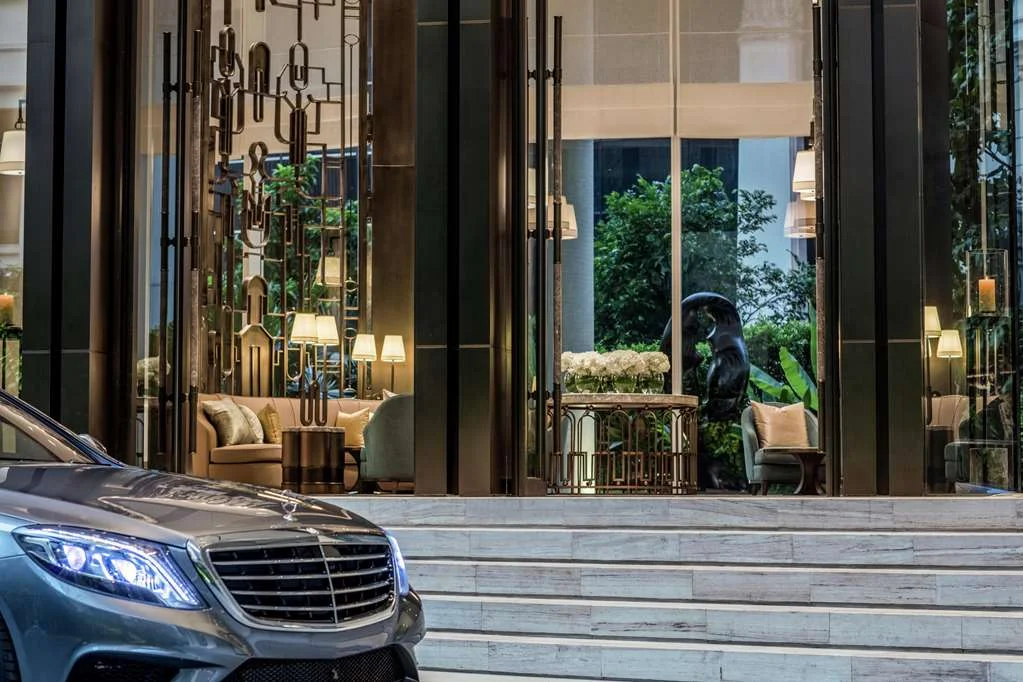
Waldorf Astoria Bangkok
When you book Waldorf Astoria Bangkok in Bangkok, Thailand through our Hilton for Luxury partnership, your stay includes daily breakfast, room upgrades and a $100 hotel credit. Plus, for a limited time, a complimentary night is included with your stay.
Special Offer: 3rd night free
3rd night free
Exclusive Booking Perks
- VIP guest status
- Complimentary breakfast for 2 guests
- USD100 hotel credit per stay (or local equivalent)
- Double Hilton Honors Points
- Upgrade to next room category (subject to availability)
Location
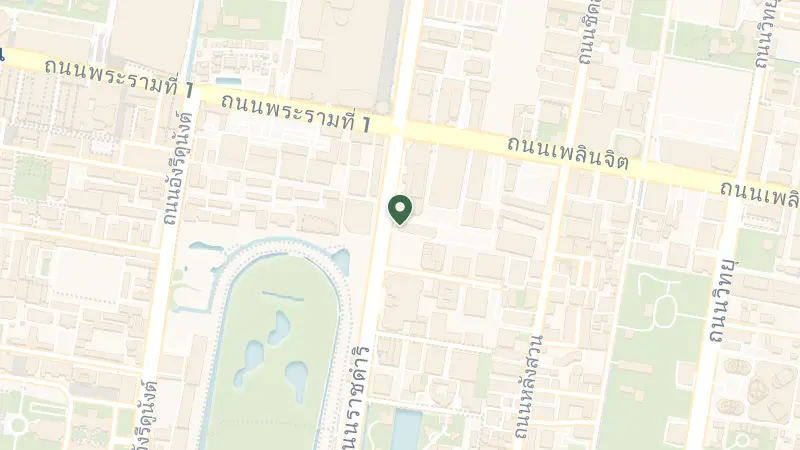
Waldorf Astoria brings its grand-scale hospitality and True Waldorf Service programme to the heart of Bangkok's modern commercial district, where the brand's signature attention to detail meets the city's restless energy. The property stands in Pathum Wan, a district that transformed from royal villa grounds in the late nineteenth century into the pulsing centre of contemporary Bangkok, where glass towers rise above the green expanses of Lumphini Park and the Royal Bangkok Sports Club.
Step outside and you're in the thick of Ratchaprasong, where the air hums with the chatter of street vendors and the rush of the BTS Skytrain overhead. The Chao Phraya River delta's humid warmth wraps around you even in the shade of shopping arcades. This is Bangkok at its most unapologetically metropolitan: Chulalongkorn University's sprawling campus occupies much of the district, lending a youthful edge to the neighbourhood's luxury retail corridors. The Grand Palace and the old royal city of Rattanakosin, established in 1782, lie across the river to the west, but Pathum Wan represents the city that modernized rapidly through the late twentieth century, shedding its absolute monarchy for constitutional rule and absorbing wave after wave of Western influence.
Both Suvarnabhumi Airport and Don Mueang International Airport sit roughly twenty kilometres from the property, connected by expressway and Airport Rail Link for Suvarnabhumi. The city's notorious traffic means travel times fluctuate wildly, but the hotel's location keeps you within walking distance of BTS stations and the retail heart of the city.
INDDEE, just six hundred metres from the property, holds two Michelin stars for its regional Indian tasting menu. Each course arrives with a story that traces India's culinary geography, and the precision of the kitchen matches the ambition of the concept. Book a table well ahead; reservations fill quickly. Further afield, Sühring (three stars, 3.6 kilometres) offers modern German cooking by twin chefs who ferment, pickle, and cure their way through childhood memories and family recipes. Sorn (three stars, 3.7 kilometres) takes a different route entirely, diving deep into the food culture of Southern Thailand with self-taught chef SupakSorn Jongsiri's exhilarating tasting menu. His cooking balances tradition with refinement, and the pacing never falters.
Chula Flea Market, 1.2 kilometres south, sprawls across university grounds on weekends with vintage clothing, vinyl records, and Thai street food stalls. Patpong Night Market (1.8 kilometres) leans heavily into tourist traffic but remains a fixture of Bangkok nightlife. Lumphini Park offers a reprieve from the district's density: early morning tai chi practitioners, monitor lizards basking by the lake, the city's green lung in miniature. The Historic City of Ayutthaya, a UNESCO World Heritage Site sixty-seven kilometres north, preserves the ruins of the second Siamese capital, destroyed by the Burmese in the eighteenth century. Its towering prangs and headless Buddhas offer a sobering counterpoint to Bangkok's velocity.
Bangkok's heat rarely relents, but the rhythm shifts with the monsoon. November through February brings the closest thing to relief: temperatures dip to the low twenties overnight, and mornings feel almost crisp before the sun climbs. The city exhales, parks fill with joggers, and rooftop bars become tolerable again.
March through May is punishing. Temperatures push past thirty-three degrees, the air thickens, and thunderstorms announce the coming rains. By June, the southwest monsoon arrives in earnest, drenching the city through October. September sees the heaviest downpours, streets flooding within minutes, though the rain cools things briefly and the city's infrastructure drains quickly.
December through February remains the ideal window for visiting. The heat is present but manageable, skies clear, and the city feels more walkable. April's Songkran water festival offers spectacle but also relentless humidity and crowds.
Frequently Asked Questions
Free service · No obligation
Request a Quote 44 Bib Gourmand