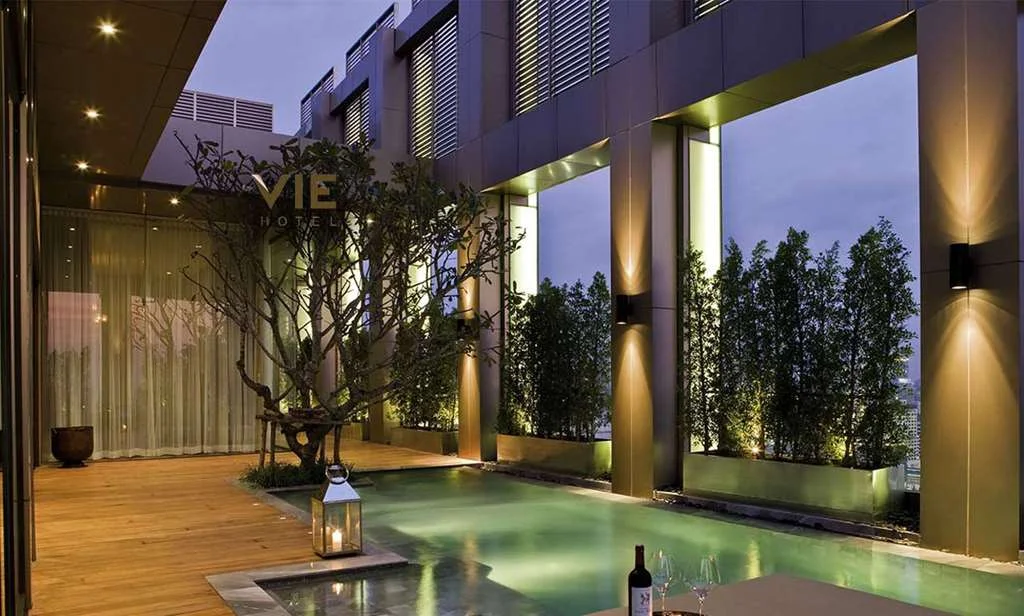
VIE Hotel Bangkok - MGallery
When you book VIE Hotel Bangkok - MGallery in Bangkok, Thailand through our Accor Preferred partnership, your stay includes daily breakfast, room upgrades and a $100 hotel credit.
Exclusive Booking Perks
- Daily complimentary breakfast for 2, per room
- VIP Welcome
- $100 USD credit to be spent on property (conditions defined at check-in)
- Early check-in & late check-out (upon availability)
- Upgrade at time of check-in (upon availability)
Location
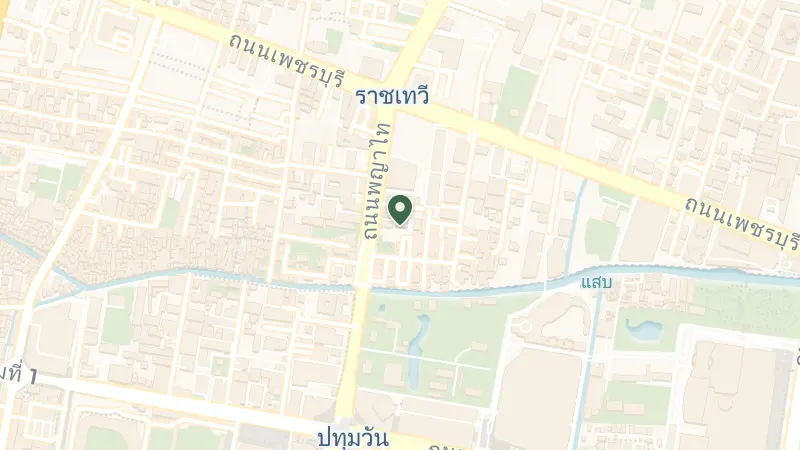
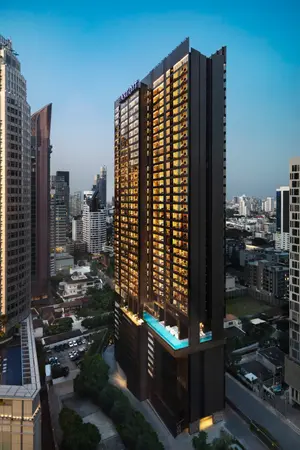
MGallery properties anchor their identity in local art, culture, and design heritage, weaving the character of their surroundings into the guest experience rather than imposing a corporate template. VIE Hotel Bangkok reflects this through its Ratchathewi District location, a central neighbourhood that balances accessibility with the textured energy of everyday Bangkok life. The district sits at the confluence of the city's ancient royal core and its modern commercial sprawl, offering a gateway to both.
Ratchathewi hums with the rhythm of a working capital: soi-side vendors grilling pork skewers at dusk, the clatter of the Skytrain overhead, the scent of jasmine garlands mingling with exhaust and incense. This is not the tourist-polished Bangkok of riverfront promenades but the city in its weekday clothes, where office towers stand beside crumbling shophouses and neighbourhood markets thrive. The district borders Dusit to the west, home to the Grand Palace complex, and Pathum Wan to the south, where Siam's glittering malls cluster. Within walking distance, you'll find the art deco cinema halls of Siam Square and the open-air energy of Chula Flea Market.
Bangkok began as a trading post in the 15th century, rose to become Siam's capital in 1782 under King Rama I, and exploded into a megacity during the economic boom of the 1960s and '80s. The Chao Phraya River threads through it all, dividing old from new, royal from commercial. Both Suvarnabhumi and Don Mueang airports lie roughly twenty to twenty-five kilometres from Ratchathewi, connected by expressway and rail links that ease the approach into the city's dense heart.
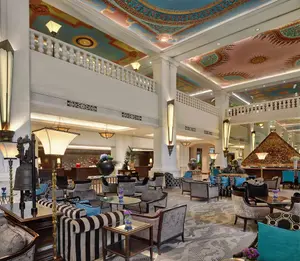
Thierry Drapeau's Signature occupies the hotel's art deco dining room, where floor-to-ceiling windows frame an open kitchen and the French chef stages his cuisine of the soil, a philosophy rooted in his native Loire Valley translated through Thai terroir. The tasting menu shifts with the seasons, emphasizing fermentation, local vegetables, and precise technique over flash. Beyond the property, Bangkok's Michelin constellation rewards deep exploration. Sühring, four and a half kilometres away, holds three stars for Mathias and Thomas Sühring's modern German tasting menu built on childhood memories, pickling, curing, and the exactitude of their grandmother's recipes. Sorn, five kilometres distant and also three-starred, immerses diners in the food culture of Southern Thailand through SupakSorn Jongsiri's self-taught refinement of ancient regional flavours: think turmeric-stained curries, wild-caught seafood, and the electric heat of bird's eye chillies.
Start your mornings at Sam Yan Market, less than two kilometres south, where vendors heap baskets with mangosteen, rambutan, and sticky rice steamed in banana leaves. The Historic City of Ayutthaya, a UNESCO site sixty-six kilometres upriver, preserves the ruins of Siam's second capital, destroyed by Burmese forces in the 18th century; its crumbling prangs and headless Buddhas offer a sobering counterpoint to Bangkok's relentless modernity. Book a table at Sorn weeks in advance and request the crab curry if it's on the menu that evening.
Bangkok's heat is a constant companion, but its character shifts with the monsoon calendar. January and February deliver the most forgiving weather, with temperatures hovering near thirty degrees and the sky scrubbed clean after the rainy season's retreat. The air dries out, the city breathes easier, and mornings feel almost temperate before noon's furnace ignites.
March through May bring the hot season, when the thermometer climbs past thirty-four degrees and the city shimmers under a white haze. Streets empty during midday; evening markets and rooftop bars come alive as the only refuge. Afternoon thunderstorms announce themselves with sudden gusts and dramatic cloud towers but rarely linger.
June through October define the monsoon months, when rain arrives in heavy, drenching bursts that flood sois and turn traffic into gridlock. September sees the heaviest downpours, but the storms cool the air and lend the city a verdant, washed intensity. November and December transition back to dryness, making them ideal for extended exploration before the peak tourist surge of January.
Frequently Asked Questions
Free service · No obligation
Request a Quote 44 Bib Gourmand