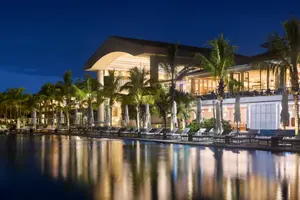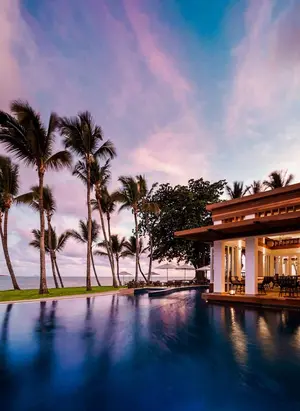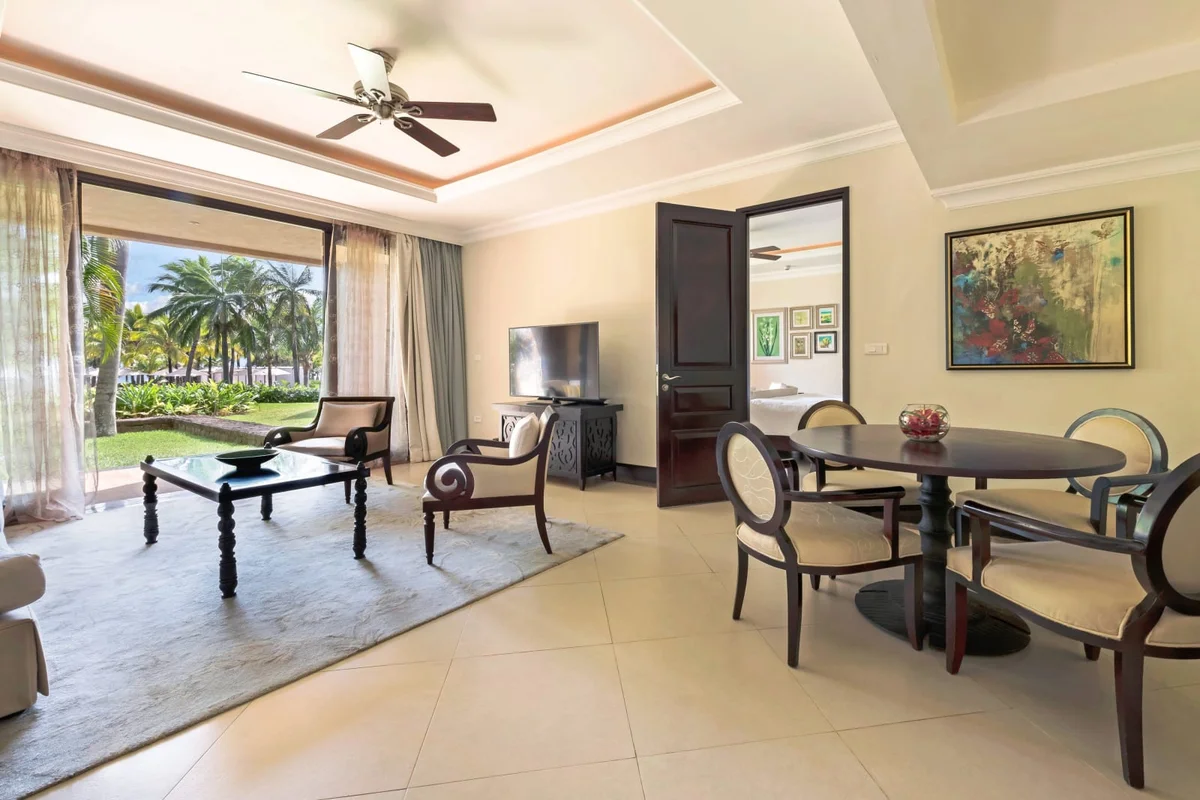
The Westin Turtle Bay Resort & Spa, Mauritius
When you book The Westin Turtle Bay Resort & Spa, Mauritius in Mauritius through our Marriott Luminous partnership, your stay includes daily breakfast, room upgrades and flexible check-in and check-out.
Exclusive Booking Perks
- Welcome amenity
- Complimentary breakfast daily for two guests per room
- Early check-in and late check-out (when available)
- Complimentary upgrade (if available at check-in)
Location
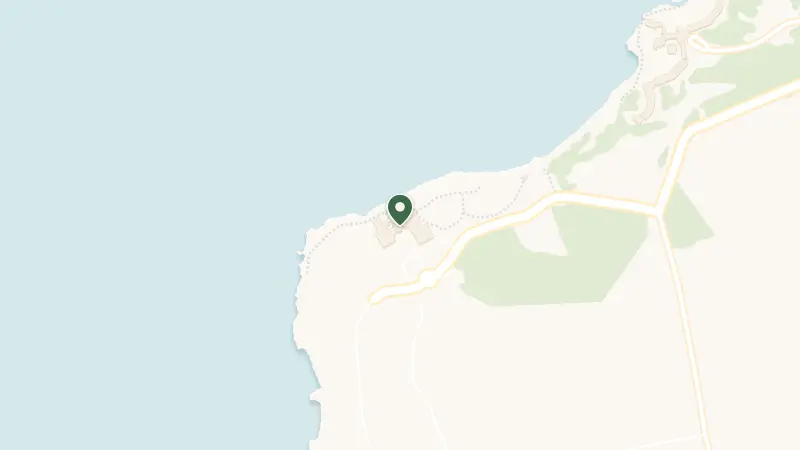
The Westin brand brings its wellness-first ethos to Mauritius's northwest coast, where volcanic peaks give way to lagoons so clear you can count coral branches from the shore. Turtle Bay sits on a stretch of coastline where the Réserve Marine de Balaclava protects reefs just offshore, and the water shifts from turquoise to sapphire as the seabed drops away. This is the island's quieter northern edge, far enough from the capital to feel removed but close enough to Port Louis's colonial architecture and market energy when the mood strikes.
The neighbourhood of Ville Valio unfolds along roads lined with filao trees and glimpses of the Indian Ocean through low-slung coastal scrub. Within walking distance, Balaclava Public Beach stretches wide and sandy, its shoreline dotted with fishing pirogues and ringed by casuarina shade. Two kilometres south, La Goulet Beach offers calmer water for snorkelling, while the gentle curve of Pte. aux Piments Beach extends the coast northward. This is where the island's Creole, Indian, and French influences converge in roadside roti stands, Hindu temples with carved gopurams, and villages where Tamil and Bhojpuri blend with French patois in the morning greetings.
Sir Seewoosagur Ramgoolam International Airport lies 42 kilometres southeast, roughly an hour's drive through sugarcane fields and coastal villages, with most hotels arranging private transfers along the coastal highway.
The property anchors your days around the lagoon, where kayaks and paddleboards launch directly into the marine reserve's protected waters. Snorkelling here reveals parrotfish, trumpet fish, and sea turtles gliding over staghorn coral gardens just metres from shore. Beyond the resort gates, the Vegetable Market in nearby Grand Baie, five kilometres north, opens early with stalls piled high with lychees, mangoes, and bundles of fresh coriander alongside vendors selling dholl puri, the island's beloved yellow split-pea flatbread stuffed with coriander chutney and pickled vegetables. Book a morning at Citron Waterfall, a short inland trek through humid forest where the cascade pools beneath moss-covered basalt, or venture to Le Morne Cultural Landscape, 44 kilometres southwest, where the UNESCO-listed mountain carries the profound history of Mauritius's maroon communities who sought refuge on its cliffs.
For a deeper dive into the island's layered past, the Aapravasi Ghat in Port Louis, eight kilometres south, marks the immigration depot where indentured labourers from India first arrived in 1834, reshaping the island's demographic and cultural fabric. The capital's Tamil temples, Chinese pagodas, and French colonial mansions speak to centuries of convergence, while the Triolet Market, six kilometres inland, hums with vendors selling pickled achards, gateaux piments, and pyramids of tropical fruit beneath corrugated tin roofs.
Summer unfolds from November through April with temperatures climbing into the high twenties, the air thick and floral, occasional afternoon downpours washing the hibiscus clean and leaving the evenings humid and star-bright. January and February see the heaviest rains, brief tropical squalls that cool the lagoon and send locals seeking shade under verandas. This is cyclone season, though storms typically skirt the island rather than making landfall.
Winter, from May through October, brings the island's golden stretch: daytime highs in the mid-twenties, night-time lows dipping to twenty degrees, the trade winds keeping the air dry and the surf up along the southern coast. June through August offers the clearest skies and coolest mornings, ideal for hiking inland trails or exploring markets without the weight of humidity.
The shoulder months of April, May, October, and November strike the best balance, warm ocean temperatures hovering around 26 degrees, lighter crowds at UNESCO sites, and the landscape still green from the wet season's rains without the daily thunderstorms.
Frequently Asked Questions
Free service · No obligation
Request a Quote