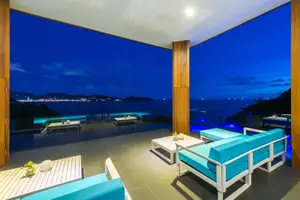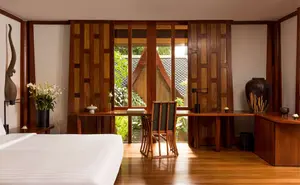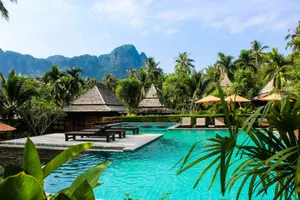
The Slate
When you book The Slate in Phuket, Thailand through our Design Hotels Collective partnership, your stay includes daily breakfast, room upgrades and flexible check-in and check-out.
Exclusive Booking Perks
- VIP status
- Daily breakfast for two
- Room upgrade/early check-in/late check-out (subject to availability)
- For Rooms: property only has Suites & Villas
- For Suites: One hour private Thai Boxing class
Location
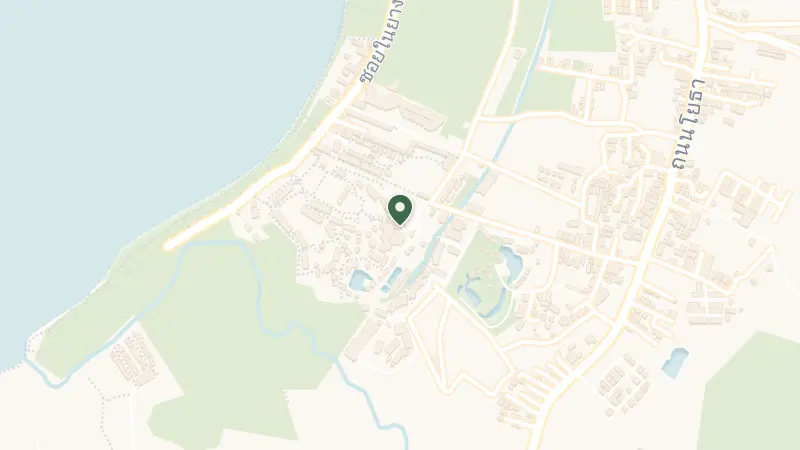
The Slate occupies a quiet stretch of northwest Phuket where the island's history as a tin-mining centre remains tangible. The property sits along Nai Yang Beach, a broad arc of sand sheltered within Sirinat National Park, where casuarina trees lean toward the Andaman Sea and the atmosphere feels distinctly removed from the resort sprawl elsewhere on the island. This is Phuket before the boom: local fishing villages, weekend markets under corrugated roofs, the occasional long-tail boat cutting across turquoise shallows.
Nai Yang Beach itself stretches just over half a kilometre from the hotel, its sand fine and pale, the water calm enough for wading. The twice-weekly market near the beach draws neighbourhood vendors selling grilled seafood, ripe mangosteen, and fried banana pancakes. A kilometre south, Ni Yang Night Market offers similar charm without the tourist polish. Phuket's wealth once came from tin and rubber; now it comes from visitors, though this corner of the island still feels like a place where people live year-round.
Phuket International Airport lies four kilometres away, close enough that arrivals feel effortless. The island's position in the Andaman Sea, off Thailand's west coast, made it a waypoint for traders between India and China; today, its accessibility and the improbable blue of its waters make it one of Southeast Asia's most visited destinations.
PRU, five kilometres south at Trisara, holds one Michelin star and takes its name from the mantra it embodies: Plant, Raise, Understand. The solar-panelled dining room overlooks the sea, and the tasting menu centres on what the seasons deliver, much of it grown or raised nearby. Expect dishes that honour Thai ingredients without slavishly reproducing tradition. Aulis, Simon Rogan's chef's table concept in the south, sits twenty-two kilometres away and also holds a star; the multi-course progression draws on collaborations with local growers and showcases native produce with precision. Book well ahead for either.
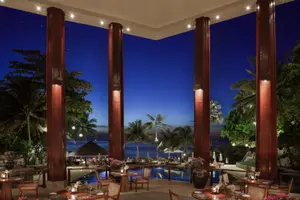
On-property, the hotel's own dining leans into the tin-mining heritage with industrial-chic spaces that nod to Phuket's industrial past. Beyond the table, Sirinat National Park encloses much of the coastline here, its mangroves and coastal forest preserved against development. Blue Canyon Golf Resort, just over three kilometres inland, offers two championship courses. The beaches ripple north: Nai Thon four kilometres up the coast, Layan six kilometres south, each quieter than Patong or Kata. For a taste of local rhythm, the Friday Night Market in Cherngtalay and Bang Tao Night Market offer street-side grilling, fresh coconut ice cream, and the hum of Thai conversation.
November through February delivers the most forgiving conditions: skies clear, humidity lower, temperatures hovering in the high twenties. The light during these months turns sharp and clean, ideal for long afternoons on the beach. December and January see the least rain, though brief showers can still surprise.
March and April grow hotter, the air thickening as temperatures nudge thirty degrees. The sea remains inviting, but midday shade becomes non-negotiable. May ushers in the southwest monsoon; rainfall peaks from August through October, when the Andaman can turn moody and grey.
The wet season empties the beaches and softens prices, but storms tend to arrive in bursts rather than lingering all day. The island stays green, the waterfalls run full, and the crowds thin to near nothing.
Frequently Asked Questions
Free service · No obligation
Request a Quote 19 Bib Gourmand