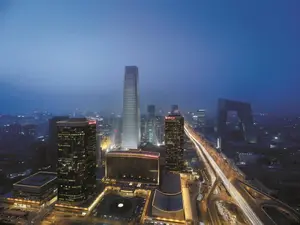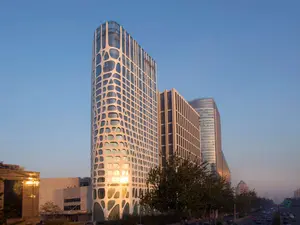
Rosewood Beijing
When you book Rosewood Beijing in Beijing, China through our Virtuoso partnership, your stay includes daily breakfast, room upgrades and a $100 hotel credit.
Exclusive Booking Perks
- Upgrade on arrival, subject to availability
- Daily Buffet breakfast for up to two guests per bedroom, served in the restaurant
- $100 USD equivalent Resort or Hotel credit utilized during stay (not combinable, not valid on room rate, no cash value if not redeemed in full)
- Early Check-In / Late Check-Out, subject to availability
Location
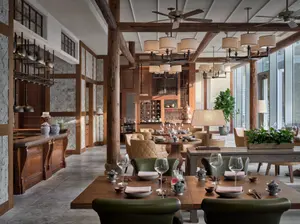
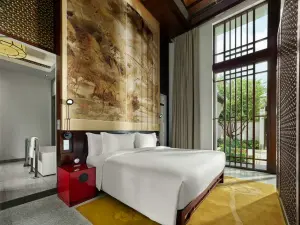
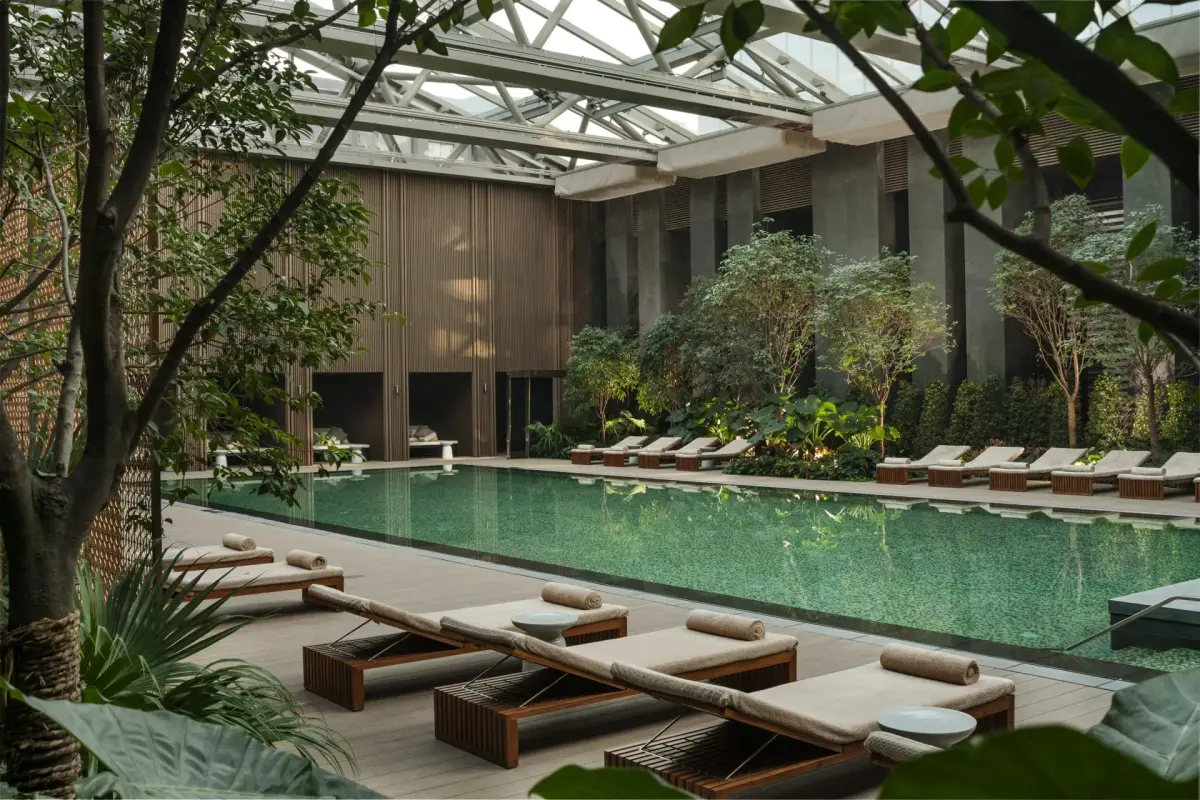
Rosewood positions its properties as cultural landmarks, grounding each hotel in the heritage and rhythms of its city. The Beijing outpost follows this philosophy, drawing on local art and culinary traditions to create a residential-style atmosphere with a restrained approach to luxury. The Asaya wellness programme adds a contemplative counterpoint to the energy of the capital.
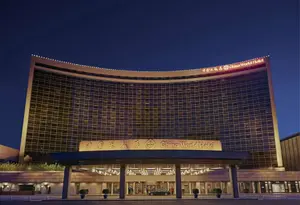
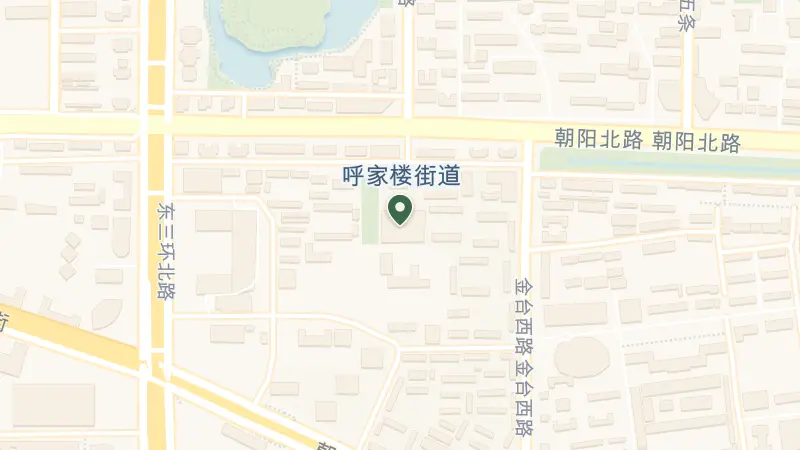
The Hujialou neighbourhood sits in the Chaoyang district, a modern quarter where international offices and high-rise residences line wide boulevards. The subway interchange at Hujialou station sees over 200,000 passengers on peak days, a reminder of Beijing's scale and urban density. Within a few kilometres lie pockets of older Beijing, markets selling Inner Mongolia specialities, and residential hutongs that predate the glass towers.
The city itself unfolds in concentric rings around the imperial axis, a UNESCO-recognised ensemble of palaces, gardens, and ceremonial structures that runs north to south through the historical core. Beijing Capital International Airport lies 21 kilometres from the hotel, connected by taxi and express rail links that cut through the flat expanse of the North China Plain.
The hotel's dining reflects Rosewood's emphasis on local culinary heritage, with menus shaped by the city's regional traditions. Three kilometres away, Xin Rong Ji on Xinyuan South Road holds three Michelin stars for its Taizhou cooking, particularly fish from the East China Sea, served in a modern Chinese dining room. Closer still, Chao Shang Chao in Chaoyang reinterprets Chaozhou classics with three-star precision; the hallway lined with dried fish maw signals the upmarket ambition. Book a table at Lu Shang Ji, just over a kilometre from the property, where the Yantai-born chef prepares Shandong staples and Confucius cuisine with sea cucumber and Jiaodong peninsula seafood.
Six kilometres south, the Beijing Central Axis unfolds: imperial palaces, sacrificial altars, and ceremonial halls that demonstrate the spatial order of the Chinese capital. Eight kilometres brings you to the Temple of Heaven, a 15th-century complex of cult buildings set in gardens edged by historic pine woods. Sanyuanli Market, three kilometres distant, offers a morning immersion in produce stalls and dried goods vendors, the air thick with fermented bean paste and Sichuan peppercorns.
Winter arrives sharp and dry, with January temperatures hovering just below freezing and brittle blue skies over the city. The streets feel emptier, and the light is clear and low, casting long shadows across courtyards. This is the season for Peking duck eaten in heated dining rooms, the air outside so cold it stings.
Spring and autumn are the prime windows: April through May and September through October bring mild days, flowering trees in the temple gardens, and tolerable crowds at the major sites. Summer heat builds in June, with July and August turning humid and wet, afternoon thunderstorms rolling in over the plain. The monsoon rains green the parks but make outdoor exploration sticky and unpredictable.
December through February sees temperatures plunge well below zero, with occasional snow dusting the rooftops. The dry cold is easier to navigate than the summer humidity, but the wind can be relentless on the exposed boulevards.
Frequently Asked Questions
Free service · No obligation
Request a Quote 26 Bib Gourmand