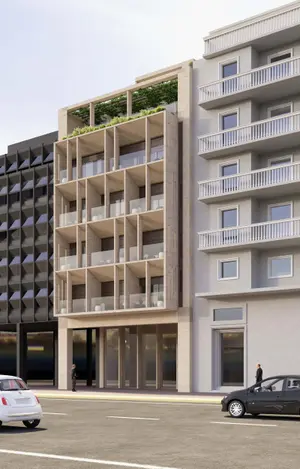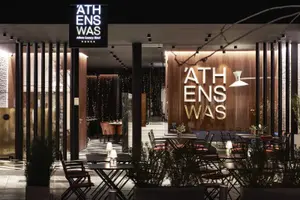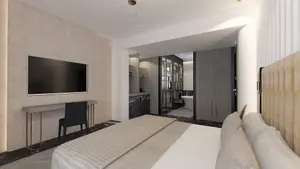
Praxitelous Luxury Suites
When you book Praxitelous Luxury Suites in Athens, Greece through our Tablet Plus partnership, your stay includes room upgrades and a hotel credit.
Exclusive Booking Perks
- Upgrade to next room category, based upon availability at check-in
- Complimentary drink at hotel bar per guest, per stay
- Welcome treat in room on arrival
- 20 EUR food and beverage credit per room, per day
Location
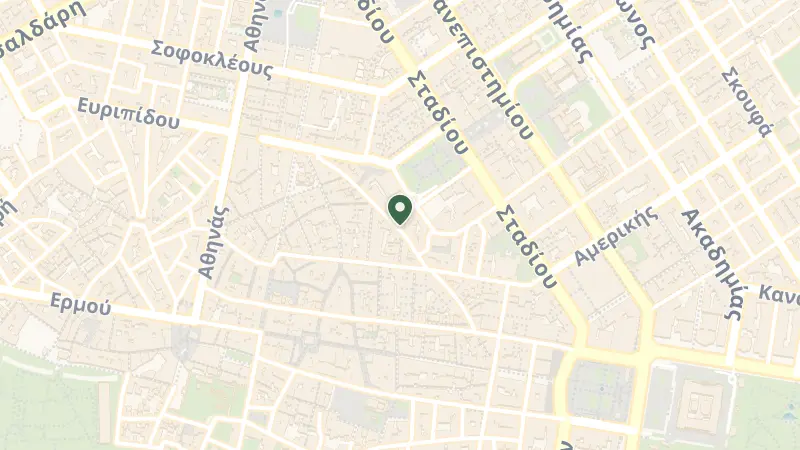
Psiri pulses with a specific Athens energy: late-night bouzouki spilling from tavernas, graffiti murals climbing neoclassical facades, the clatter of coffee cups on marble-topped tables at mid-morning. This compact quarter in the 1st District sits between the ancient Agora and Monastiraki, its narrow streets lined with renovated 19th-century townhouses that now hold wine bars, meze restaurants, and galleries. The neighbourhood gentrified without sanitizing itself; you'll still find metalworkers' shops alongside cocktail lounges, street vendors selling koulouri beside chef-driven eateries.
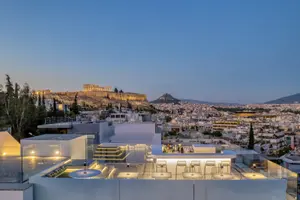
The Acropolis rises a kilometre south, its columns visible from rooftops across the district. Varvakios Market, Athens' central food hall, sprawls three hundred metres east: butchers hacking lamb, fishmongers shouting prices, spice merchants weighing saffron by the gram. Walk six hundred metres southeast and you're in Monastiraki's flea market, where vendors sell Byzantine icons, Soviet-era cameras, and hand-hammered copper coffee pots.
Athens traces human settlement back nine millennia. Classical Athens birthed democracy, philosophy, and theatre; the Parthenon was already ancient when Rome was founded. Today the city layers eras without apology: a Roman forum beside an Ottoman mosque beside a modernist metro station. Athens Eleftherios Venizelos International Airport lies nineteen kilometres east, connected by metro and express buses.
The Zillers Rooftop Gastronomy, three hundred metres away in the 19th-century mansion of architect Ernst Ziller, holds one Michelin star for contemporary Greek cooking that honours tradition without replicating it. Tudor Hall, four hundred metres southeast, earns its star with modern creative cuisine served on a terrace where the Acropolis dominates the skyline; book for sunset when the marble turns amber. For a more ambitious meal, Delta at the Stavros Niarchos Foundation Cultural Centre five and a half kilometres south weaves Greek ingredients into two-star creative menus. Start with their tsoureki brioche with avgotaraho (cured fish roe).
Varvakios Market, three hundred metres east, rewards early risers: arrive by 8 AM for the full sensory assault of blood-slick floors, hanging octopus, pyramids of feta in brine. The Acropolis UNESCO site, one kilometre south, demands no introduction but repays slow study; the Erechtheion's caryatids, the Temple of Athena Nike's frieze fragments, the views across Attica from the western edge. Don't miss the Monument of the Eponymous Heroes in the ancient Agora below, where public notices were posted in classical times. Monastiraki Flea Market six hundred metres away sells genuine antiques among tourist trinkets; haggle with dealers who've occupied the same stalls for decades.
Summer scorches. July and August push past thirty-three degrees, the sun bleaching marble white, the city slowing to a siesta crawl. Locals flee to island houses; restaurants close in August. Evening temperatures hold above twenty degrees, perfect for rooftop dining but airless for sleep.
Spring and autumn offer the best weather for walking ancient sites. April through June brings warm afternoons, cool mornings, wildflowers on Mount Parnitha. September and October deliver golden light, lingering warmth, fewer crowds as students return.
Winter stays mild but unpredictable. December through February hovers in the low teens, occasional cold snaps bringing mountain snow visible from the city. Rain arrives in bursts, clearing fast. Museums empty out; restaurant tables fill with Athenians rather than tourists.
Frequently Asked Questions
Free service · No obligation
Request a Quote 6 Bib Gourmand