Palazzo Ripetta
When you book Palazzo Ripetta in Rome, Italy through our Enhanced Rates partnership, your stay includes daily breakfast, room upgrades and a hotel credit.
Exclusive Booking Perks
- Complimentary Breakfast For Two Daily
- F&b Credit Valued At Usd 100
- Upgrade Based Upon Availability At Check-In
- Early Check-In And Late Check-Out Based Upon Availability
- Welcome Amenity
Location
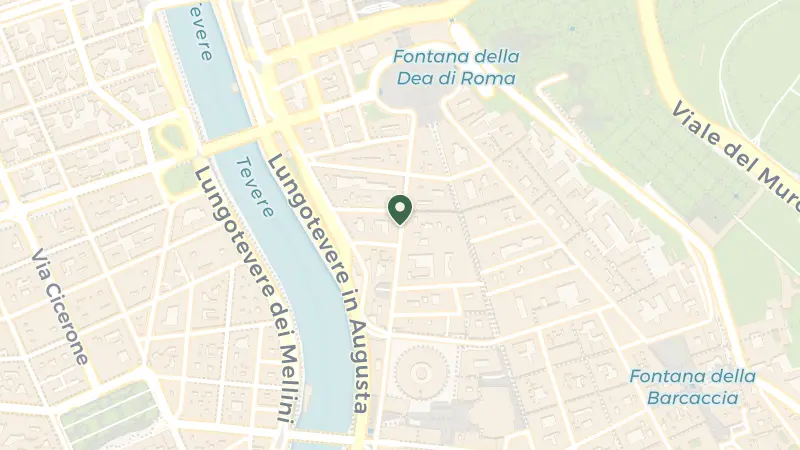
Palazzo Ripetta occupies a 17th-century monastery refectory steps from Piazza del Popolo, where three baroque churches meet at the foot of the Pincian Hill. The neighbourhood, Campo Marzio, is among Rome's most storied quarters, where narrow cobbled lanes open onto sun-flooded piazzas and the morning light catches the ochre facades of Renaissance palazzi. Walk five minutes in any direction and you're threading past the Spanish Steps, gazing into the dome of the Pantheon, or tracing the curve of the Tiber as it bends toward the Vatican.
This is the Rome of layered centuries: Hadrian's mausoleum rising above the river, medieval towers tucked behind gelaterias, a Caravaggio hanging in a side-chapel you stumbled into by accident. The Historic Centre, a UNESCO site since 1980, surrounds you with the architecture of empire, papacy, and republic compressed into walkable streets. Traffic hums beyond the hotel's walls, but inside the former cloister the city's urgency softens.
Rome–Fiumicino Airport lies 22 kilometres southwest, connected by the Leonardo Express train to Termini station, from where taxis reach Campo Marzio in 15 minutes depending on traffic.
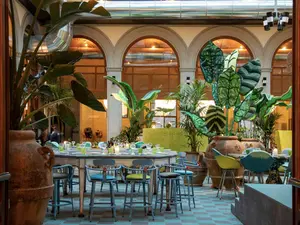
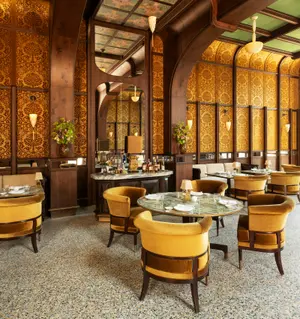
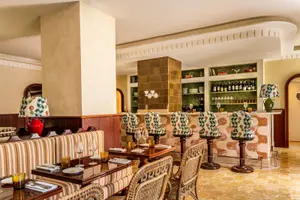
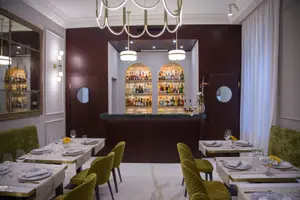
Three Michelin-recognized restaurants occupy the hotel and its immediate neighbours. Acquolina, the property's two-starred flagship, serves creative Mediterranean menus in a dining room of spare contemporary elegance where service moves with balletic precision. San Baylon, also on-site, reimagines Italian classics within the monastery's original refectory, its vaulted ceilings a reminder of the building's devotional past. Il Ristorante Alain Ducasse Roma, housed in the adjacent Romeo hotel, brings the French chef's Mediterranean vision to a 17th-century palazzo within a minute's walk. Book a table at any of the three to understand how Roman dining has evolved beyond carbonara and cacio e pepe, though you'll find those too, perfected by decades of argument over technique.
Piazza del Popolo opens at your doorstep, its Egyptian obelisk and twin churches framing the gateway to the Centro Storico. Vatican City, two kilometres west, holds Michelangelo's Sistine Chapel and Bernini's colonnaded piazza. Campo de' Fiori market, 1.5 kilometres south, spreads its stalls each morning with artichokes, blood oranges, and sun-dried tomatoes under a statue of the heretic Giordano Bruno, burned here in 1600. Start with the Pantheon's perfect dome, then lose yourself in the backstreets where every fountain has a story.
Spring arrives in April with wisteria draping the city's walls and temperatures climbing into the high teens. The light turns golden, spilling across the Tiber and warming the travertine facades. Romans reclaim the piazzas for aperitivo as evenings stretch longer.
Summer blazes from June through August, with July reaching above 30 degrees. The city empties in mid-August as locals flee for the coast, leaving the ancient stones to shimmer in the heat. Morning visits to churches and galleries become essential strategy.
Autumn brings relief and Rome's second bloom: October markets overflow with porcini and chestnuts, though rain increases as the season wears on. Winter softens the city's edges, temperatures hovering around 11 degrees, the occasional morning frost silvering the cobblestones. Crowds thin, revealing the Rome that residents know.
Frequently Asked Questions
Free service · No obligation
Request a Quote 10 Bib Gourmand