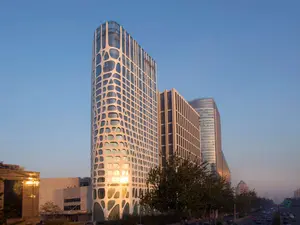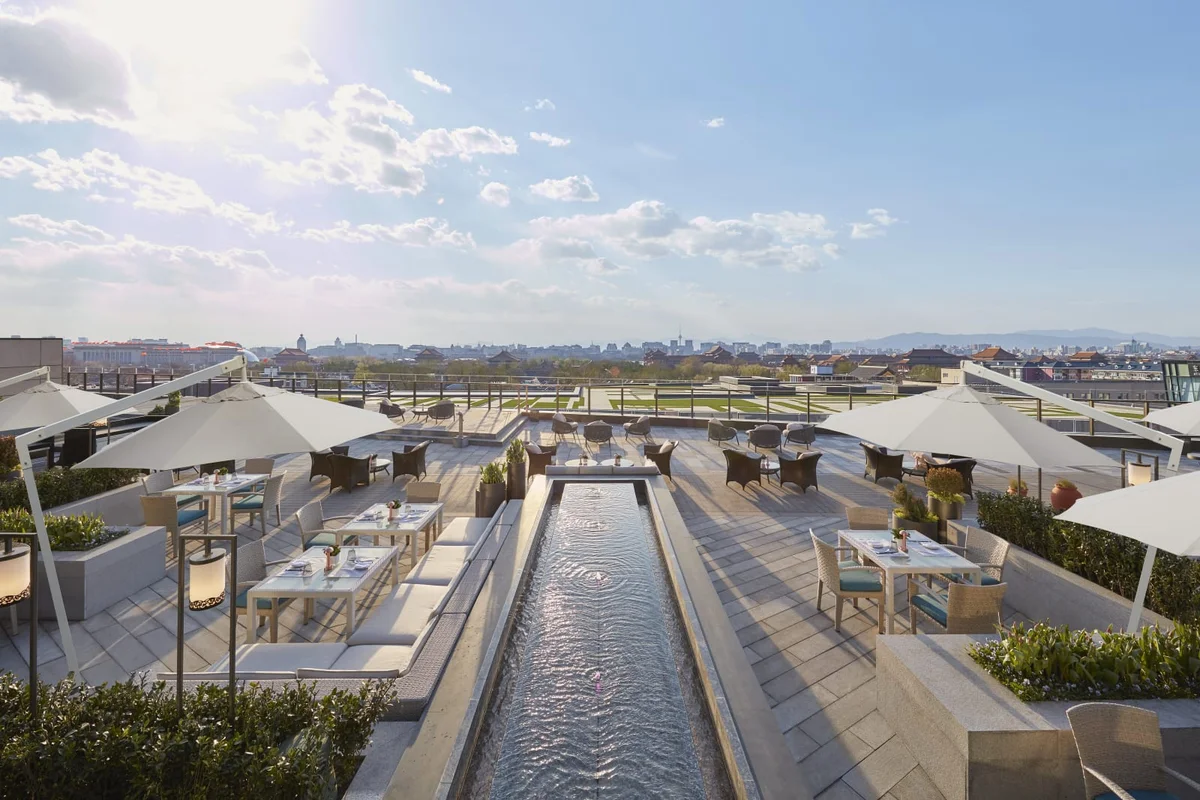
Mandarin Oriental Wangfujing, Beijing
Book Mandarin Oriental Wangfujing, Beijing in Beijing, China through our Mandarin Oriental Fan Club partnership for exclusive complimentary perks with your stay.
Exclusive Booking Perks
- Exclusive perks available
- 9 exclusive perks included with your booking. Message us on WhatsApp for details.
Location
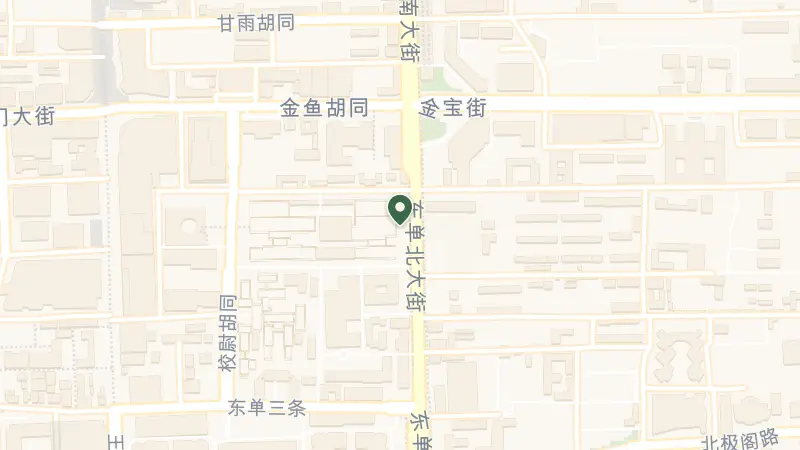
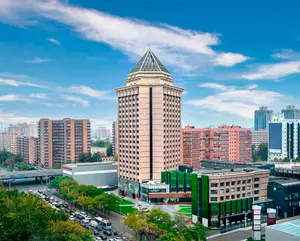
Mandarin Oriental brings six decades of Eastern hospitality standards to Beijing, where the brand's signature attention to detail finds natural expression in a city shaped by imperial precision. The property sits in Donghuamen Subdistrict, named for the eastern gate of the Forbidden City, placing guests at the historic and geographic centre of the capital. Wangfujing, the neighbourhood's commercial artery, runs just outside: a pedestrian boulevard where silk shops, century-old pharmacies, and night markets occupy the same blocks as flagship stores and international boutiques.
The Beijing Central Axis, a UNESCO ensemble inscribed in 2024, runs two kilometres west. This north-south ceremonial spine threads through the Forbidden City, Tiananmen Square, and the Temple of Heaven, the architectural embodiment of imperial cosmology. Walking these streets means navigating layers of history: Ming-era alleyways give way to Soviet-scale boulevards, while hutong courtyard houses persist in the shadows of glass towers.
Beijing Capital International Airport lies 24 kilometres northeast, connected by the Airport Express rail line. Beijing Daxing International Airport, 46 kilometres south, serves as the city's newer international gateway. Both offer efficient access to the city centre, where six ring roads ripple outward from the ancient core.
The property's dining options anchor the on-site experience, though Beijing's Michelin landscape rewards exploration. Chao Shang Chao in Chaoyang, four kilometres east, reimagines Chaozhou cuisine with three-star precision: Chef Cheung draws on years in Hong Kong and Shanghai to elevate classics like braised abalone and double-boiled soups. Five kilometres northeast, Xin Rong Ji on Xinyuan South Road holds three stars for Taizhou cooking centred on East China Sea fish, its modern Chinese interiors relaxed despite the acclaim. King's Joy, a two-star vegetarian restaurant 3.8 kilometres north, occupies a Zen-inflected courtyard house near Yonghe Temple, where Buddhist influence shapes both setting and menu.
The Temple of Heaven, eight kilometres south, remains Beijing's finest example of Ming sacrificial architecture: the circular Hall of Prayer for Good Harvests stands in pine woods that predate the Qing dynasty. Book a table at Chao Shang Chao to understand how Cantonese technique reshapes regional Chinese traditions. Closer in, Sanyuanli Market, 5.4 kilometres away, offers unvarnished street-level Beijing: produce vendors, noodle stalls, and the rhythm of daily provisioning untouched by tourism.
Winter arrives bone-dry and brutal, with January lows near minus nine and brittle blue skies that make the Forbidden City's ochre walls glow. The air bites, heating systems work overtime, and snowfall is rare but transformative when it comes.
Spring and autumn are Beijing's grace notes: April and May bring temperatures in the low twenties, while September and October deliver crystalline light and comfortable days in the mid-twenties. These shoulder seasons suit temple courtyards and long walks along the Central Axis, when the city shakes off summer's humidity or winter's chill.
July and August turn heavy with heat and monsoon rains, the city slowing under thirty-degree temperatures and air thick enough to shimmer. Thunderstorms clear the haze temporarily, but summer in Beijing demands air-conditioned retreats and early-morning starts for sightseeing.
Frequently Asked Questions
Free service · No obligation
Request a Quote 26 Bib Gourmand