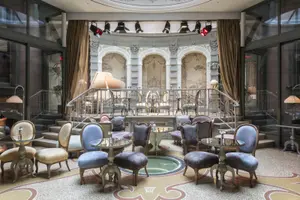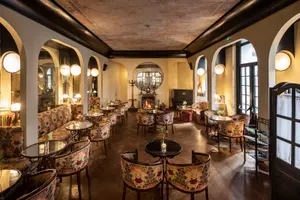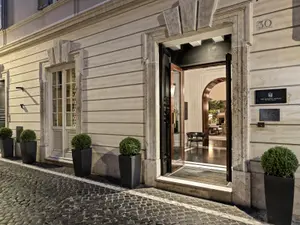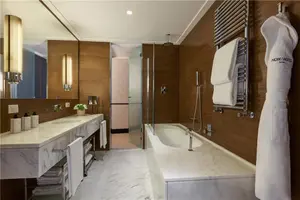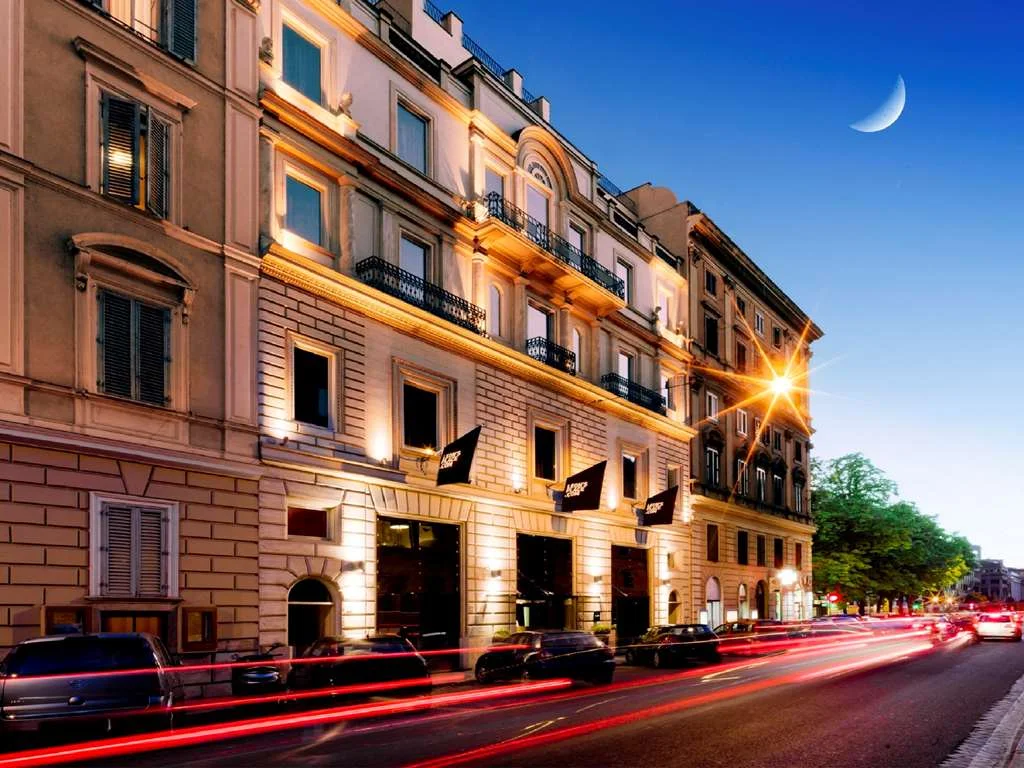
Leon's Place Hotel
When you book Leon's Place Hotel in Rome, Italy through our Fora Reserve partnership, your stay includes room upgrades, a hotel credit and flexible check-in and check-out.
Exclusive Booking Perks
- Welcome gift with welcome letter
- Welcome drink
- Early check-in & check-out, subject to availability
- Upgrade to next room category, subject to availability
- 20 EUR hotel credit per room, per day
Location
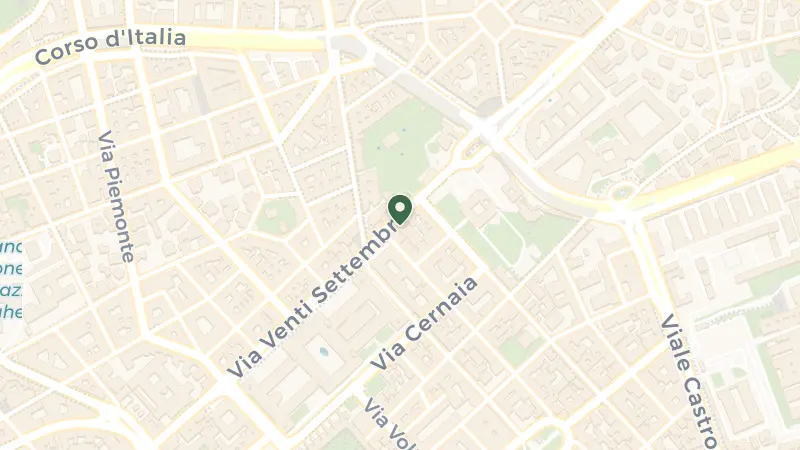
The Sallustiano neighbourhood sits just beyond the Villa Borghese gardens, a residential quarter built over ancient Sallustian estates where the terraced gardens of Rome's nobility once descended toward the Tiber Valley. Via Veneto, with its Belle Époque cafés and palm-lined sidewalks, curves along the southern edge. Here, the rhythms of Roman life unfold without the crush of tourist routes: bakeries open early, doorways release the scent of espresso and cornetti, and afternoon brings the clatter of shutters closing against the heat. The grandeur of the Eternal City remains close, but this is where Romans live rather than perform.
The Historic Centre of Rome begins two kilometres south, where temple columns rise above the Forum and the Colosseum presides over twenty-eight centuries of continuous habitation. Vatican City's domes punctuate the skyline four kilometres west. The Tiber curves through it all, its ochre waters reflecting Renaissance façades and baroque church spires.
Rome–Fiumicino Leonardo da Vinci International Airport lies twenty-four kilometres southwest. The Leonardo Express train reaches Termini station in thirty minutes; from there, the property is a short taxi ride north into the residential heart of Municipio I.
Morning light illuminates the vendors at Mercatino delle pulci, a flea market just over a kilometre away where dealers spread vintage ceramics, prints of old Roma, and unpolished silver across trestle tables. The Nuovo Mercato Esquilino, 1.5 kilometres southeast, offers a different sensory catalogue: North African spices, Sri Lankan vegetables, and bundles of fresh herbs that scent the entire hall. Book a table at Acquolina, two kilometres toward Piazza del Popolo, where two Michelin stars recognize creative Mediterranean cooking served with dynamic precision in a dining room of contemporary restraint.
Further afield, La Pergola holds three stars atop Monte Mario, 4.6 kilometres northwest, its refurbished interiors now dressed in Travertine marble and Roman red. Enoteca La Torre, 2.7 kilometres west in the Art Nouveau Villa Laetitia, balances Renaissance architecture with inventive contemporary plates. Antica Enoteca, 1.7 kilometres south, pours Italian wines in a vaulted enoteca that doubles as a neighbourhood institution. The Historic Centre of Rome, inscribed as a UNESCO World Heritage Site in 1980, spreads its archaeological riches two kilometres away: the Pantheon's coffered dome, the Spanish Steps, the layers of empire and republic exposed at every turn.
High summer arrives in July and August with temperatures climbing past thirty degrees, the city emptying toward coastal towns while those who remain seek shade in Villa Borghese or gelato in the narrow streets. The mornings stay tolerable; afternoons slow to a crawl.
Spring and autumn deliver Rome at its most generous. April through June and September through early October bring warm days in the low to mid-twenties, golden light that photographers worship, and outdoor tables crowded until late. October rains arrive with intensity, washing the cobblestones and filling the Tiber, but the air remains mild.
Winter sees daytime highs around twelve degrees, cold enough for wool coats but rarely bitter. December and January bring occasional rain, empty piazzas, and a quieter city where locals reclaim their cafés and museums.
Frequently Asked Questions
Free service · No obligation
Request a Quote 10 Bib Gourmand