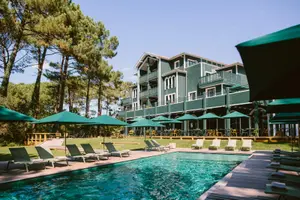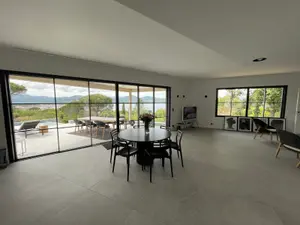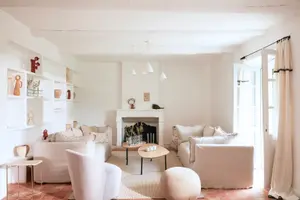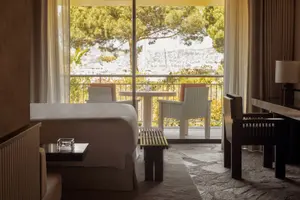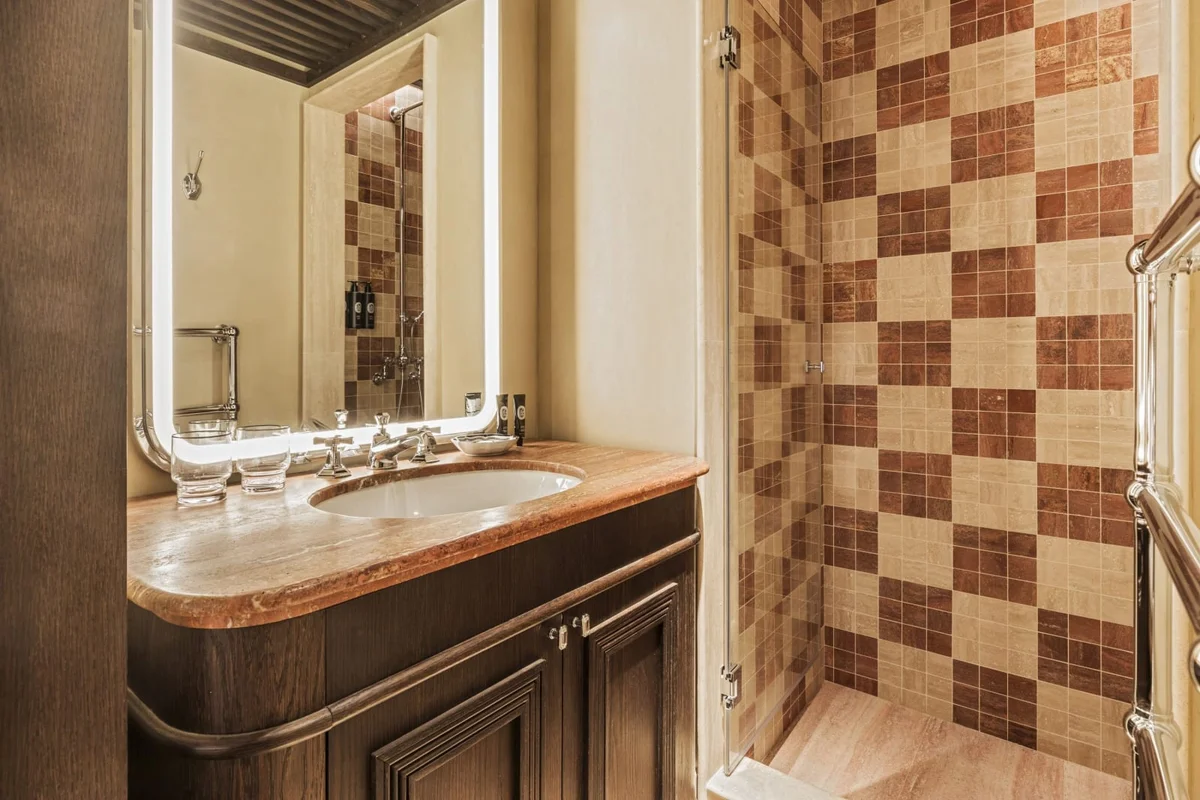
Hotel Hana
When you book Hotel Hana in Paris, France through our Fora Reserve partnership, your stay includes daily breakfast and room upgrades.
Exclusive Booking Perks
- Complimentary breakfast for 2
- 1 cocktail at the Bar for 2
- Upgrade upon availability
Location
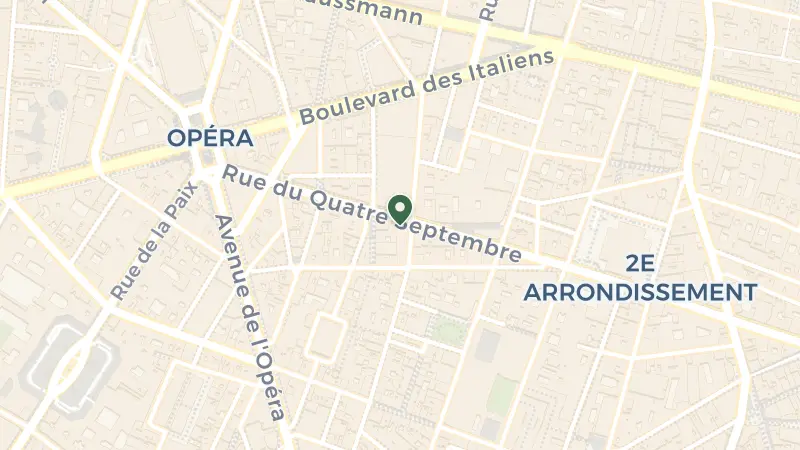
Hotel Hana places you in Paris's 2nd arrondissement, a district where neoclassical arcades shelter silk merchants and antiquarian booksellers, where the Bourse's Corinthian columns stand a few blocks from covered passages lined with mahogany shopfronts. The quarter hums with the cadence of working Paris: printers, tailors, lunchtime bistros filled with bankers from Rue Réaumur. Marché Bourse sets up three hundred metres away, vendors calling out prices for Brittany oysters and bunched radishes still dirt-crusted from Île-de-France farms.
The Seine curves less than a kilometre south, its banks a UNESCO inscription tracing centuries of royal ambition and revolution. Walk west and the Louvre's glass pyramid catches afternoon light; walk north and you reach the iron-and-glass canopy of Les Halles, once the city's belly, now a subterranean shopping labyrinth above which Saint-Eustache rises in Gothic counterpoint. This is Paris between monuments, where daily life unfolds in the narrow streets Haussmann left untouched.
Charles de Gaulle Airport lies twenty-two kilometres northeast, Orly sixteen south. The Métro's Art Nouveau entrances, green as oxidized copper, mark stations at every corner; the RER threads the city to both terminals.
Within a kilometre, Kei Kobayashi's three-starred table serves modern cuisine that bridges Nagano precision with French technique. Book weeks ahead. Plénitude occupies the renovated Samaritaine, Arnaud Donckele's creative cooking unfolding beneath Belle Époque ironwork arches one and a half kilometres along the Seine. Alléno Paris au Pavillon Ledoyen, another three-star address, looks onto the Champs-Élysées from its Jardins perch. The cooking here is Yannick Alléno's extraction-driven style, sauces built from months-long ferments. Marché Saint-Honoré, four hundred metres west, fills a nineteenth-century iron pavilion with morning produce and weekend antiques.
Notre-Dame, its scaffolding slowly receding after the 2019 fire, anchors the Île de la Cité a kilometre southeast. The cathedral's flying buttresses, now under restoration, still frame the rose windows that filtered medieval light onto coronations and requiems. Cross Pont Neuf and the Louvre's Grande Galerie stretches toward the Tuileries, Leonardo and Caravaggio hanging in rooms once walked by Louis XIV. Start with the Northern Renaissance galleries before the crowds arrive.
Summer in Paris means long evenings when the Seine turns gold at nine o'clock, café tables spilling onto cobblestones through August. Highs reach twenty-four degrees; mornings open cool enough for walks through the Tuileries before the city heats. Rain comes suddenly in June, umbrellas blooming along the arcades of Rue de Rivoli.
Autumn shifts the light to amber, museum interiors glowing as October afternoons shorten. Fifteen degrees by day, eight at night. Plane trees along the quais drop leaves into the river. Winter is grey and damp, temperatures hovering near freezing, the city contracting indoors to brasseries and covered passages where brass-and-velvet banquettes hold their warmth.
Spring brings unreliable skies, fourteen degrees one day, rain the next. By May the chestnuts bloom white in the Luxembourg, sidewalk markets piled with asparagus and strawberries from Fontainebleau. The city shakes off its winter reserve, windows opening onto balconies thick with geraniums.
Frequently Asked Questions
Free service · No obligation
Request a Quote 47 Bib Gourmand