Hotel Eden - Dorchester Collection
When you book Hotel Eden - Dorchester Collection in Rome, Italy through our Dorchester Diamond Club partnership, your stay includes daily breakfast, room upgrades and a hotel credit.
Exclusive Booking Perks
- Guestrooms:
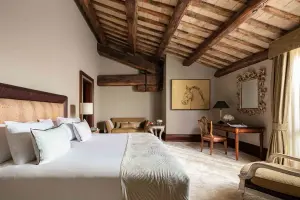
- Guaranteed one-category upgrade at time of booking for all room categories, up to Junior Suite category.
- 100-unit credit once during stay (in local currency), applied to guest room folio at time of checkout.
- Complimentary breakfast for two daily, through in-room dining or hotel restaurant
- Junior Suites:
- Same as Guestrooms above, however excluding guaranteed upgrade.
- The upgrade for these will, instead, be subject to availability at time of check-in.
- Suites:
- 100-unit credit daily (in local currency) per guest bedroom, applied to guest room folio at time of checkout.
- Complimentary breakfast for two per suite guest bedroom daily, through in-room dining or hotel restaurant
Location
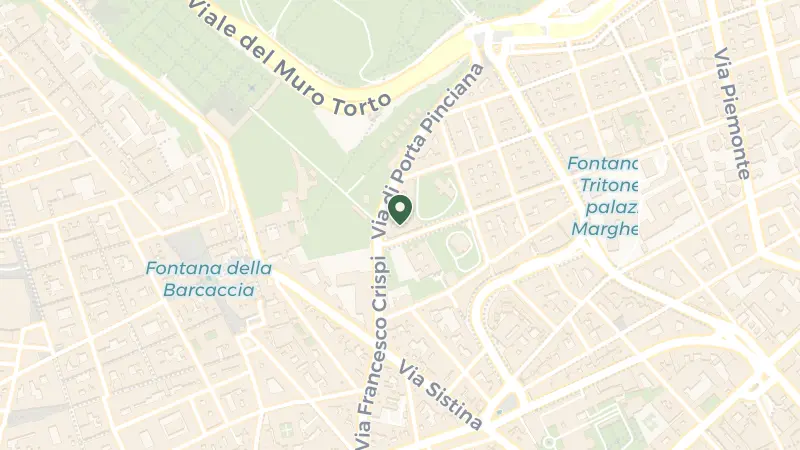
Dorchester Collection properties occupy addresses that define their cities, and Hotel Eden sits at the summit of the Ludovisi district where Via Veneto meets the Seven Hills, a perch that has drawn Roman aristocracy and visiting dignitaries since the late 19th century. The neighbourhood retains the Belle Époque grandeur of its heyday, when this street represented the height of la dolce vita, though the scene has quieted into something more residential and refined. The Spanish Steps cascade down three kilometres south, while the Trevi Fountain and Quirinale Palace sit within the same walking radius, all connected by ochre-walled streets that narrow and widen unpredictably, following paths laid over 2,000 years of continuous habitation.
Rome sprawls across both banks of the Tiber, its centro storico holding two UNESCO World Heritage designations for the concentration of monuments within Municipio I: the Historic Centre with its forum ruins and baroque piazzas, and Vatican City, where Michelangelo's frescoes draw pilgrims and art historians in equal measure. The light here is famously golden, especially in late afternoon when travertine marble and terracotta rooftops glow against umbrella pines. Fiumicino Airport sits 22 kilometres west with express rail connections to Termini station.
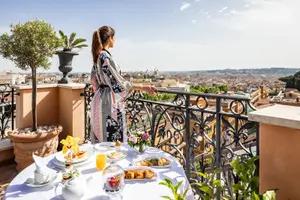
La Terrazza holds one Michelin star and commands the hotel's rooftop, where floor-to-ceiling glass frames a panorama stretching from Quirinale to Saint Peter's dome. The kitchen works in a modern idiom, innovative without severing ties to the Roman larder, and the setting alone justifies the booking. For a more ambitious meal, La Pergola sits 3.6 kilometres north at Rome Cavalieri, the only three-starred table in the city, where chef Heinz Beck interprets Mediterranean tradition through a contemporary lens in a dining room recently redesigned with travertine and crimson velvet. Closer still, Acquolina occupies the First Roma hotel just 900 metres away near Piazza del Popolo, its two stars earned through dynamic service and creative Mediterranean cooking in a space of understated elegance.
Beyond the table, the Historic Centre unfolds within two kilometres: the Pantheon's unreinforced concrete dome, the Colosseum's worn travertine arches, the tangle of alleyways around Campo de' Fiori where the morning market fills with artichokes and pecorino. Book a table at La Terrazza for sunset, when the city turns amber and the Spanish Steps below become a cascade of shadow and light.
Summer arrives in June with temperatures climbing above 26 degrees, peaking in July when midday heat empties the streets and locals retreat behind shuttered windows until evening. The air turns dry, rain rare, and by August the city's rhythm slows to a crawl as Romans decamp for the coast. This is high season for visitors, but the intensity of July heat tests patience.
April through June and September through October offer the most comfortable conditions: temperatures in the high teens to low twenties, light sufficient for photography without the bleaching glare of midsummer. Spring brings wisteria over courtyard walls and crowds that feel manageable; autumn softens the light and thins the queues at major sites. October sees increased rainfall, though rarely enough to disrupt plans.
Winter from December through February remains mild by northern European standards, highs around 11 to 13 degrees, though the damp cold penetrates deeper than the numbers suggest. The city belongs to Romans again, museums quiet, restaurant reservations easier to secure. Rain falls steadily but the occasional clear day reveals the Seven Hills in sharp relief against a pale sky.
Frequently Asked Questions
Free service · No obligation
Request a Quote 10 Bib Gourmand