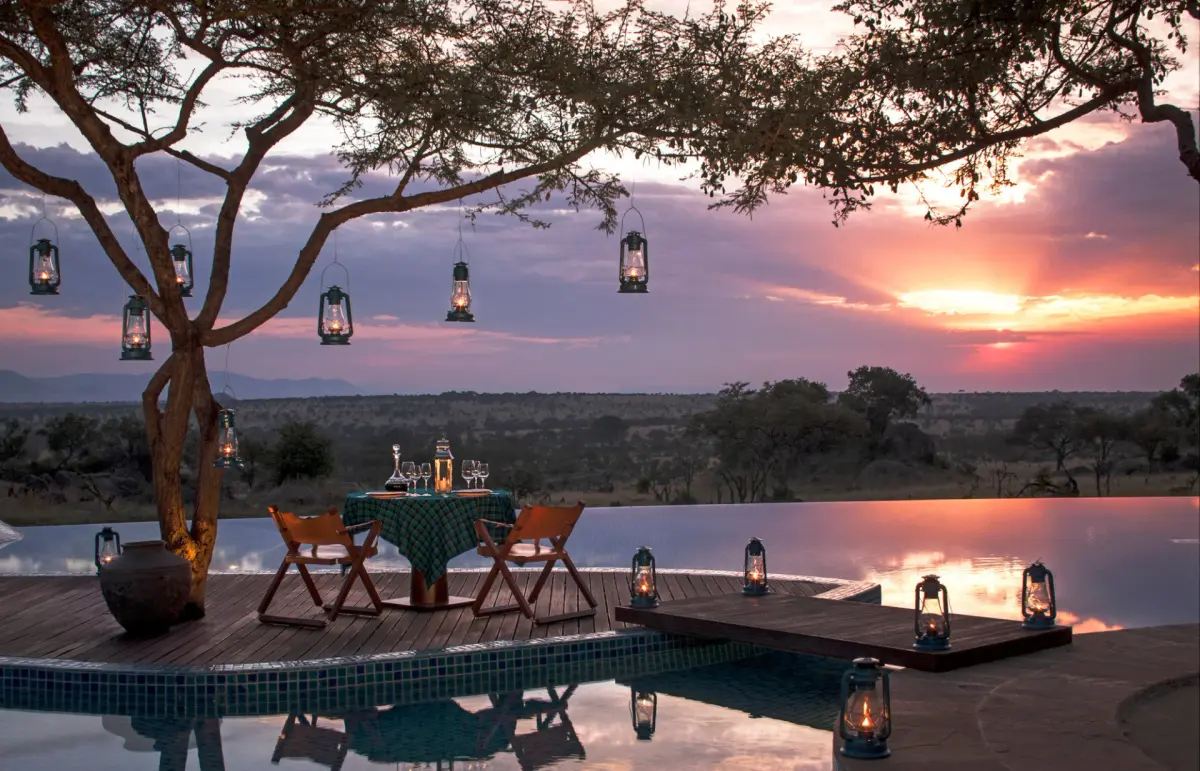
Four Seasons Safari Lodge Serengeti
Serengeti Tanzania Africa
Book Four Seasons Safari Lodge Serengeti in Serengeti, Tanzania through our Four Seasons Preferred partnership for exclusive complimentary perks with your stay.
Exclusive Booking Perks
- Four Seasons Preferred Partner benefits apply.
- 4 exclusive perks included with your booking. Message us on WhatsApp for details.
Location
Four Seasons brings its hallmark of anticipatory service to one of Africa's most storied wildernesses, maintaining the brand's commitment to personalised attention and 24-hour care while responding to the rhythms of Serengeti National Park. The lodge sits within the ecosystem that gave the world the term "endless plains", a geographical region spanning approximately 30,000 square kilometres across Tanzania's Mara and Arusha districts. Inscribed as a UNESCO World Heritage Site in 1981, the park's 1.5 million hectares of savannah host one of the planet's largest land animal migrations by body weight, a spectacle of wildebeest, gazelles, and zebras moving toward permanent waterholes.
The landscape shifts between riverine forests, swamps, and grasslands punctuated by kopjes, those ancient granite outcrops that rise from the plains like islands. This diversity sustains approximately 70 large mammal species and 500 bird varieties. The Serengeti remains one of Africa's premier destinations for observing lion prides in their natural territory, the cats lounging on sun-warmed rock or moving through tall grass at dawn.
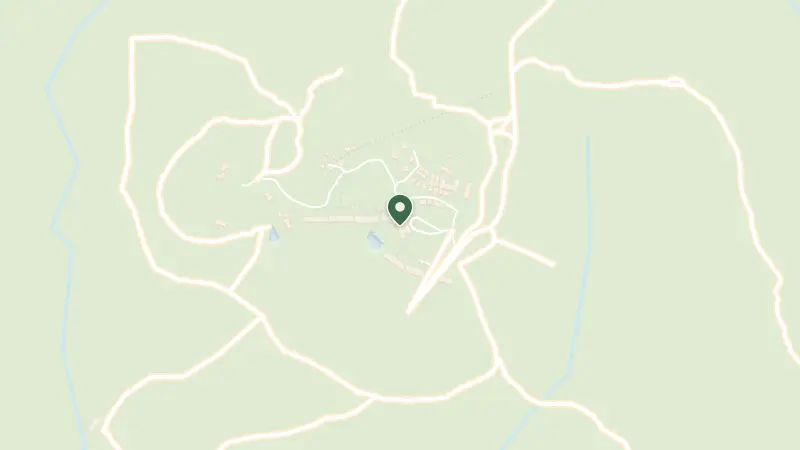
The property stands within reach of Ikorongo Game Reserve, 30 kilometres distant, and the broader Serengeti National Park boundaries 42 kilometres away. Access typically involves light aircraft to Mara Serena Lodge Airstrip, 93 kilometres north, followed by overland transfer through the bush.
Game drives anchor the daily rhythm here. Morning and evening departures track the migration's seasonal movements and the predator activity that follows. Between June and October, vast herds cross the plains; by November, they begin dispersing south. The kopjes serve as vantage points for leopards and resting lions, particularly during midday heat when animals seek shade among the boulders.
Walking safaris led by armed rangers offer ground-level encounters with the ecosystem's smaller elements: dung beetles rolling their cargo, lilac-breasted rollers diving from acacia branches, the tracery of hoofprints in red earth. Night drives reveal civet cats, genets, and the reflective eyes of bush babies. Don't miss the chance to position yourself near one of the permanent waterholes at dusk, when buffalo herds come to drink and elephants wade knee-deep. The lodges scattered across this ecosystem typically maintain naturalist guides who interpret the seasonal dramas, from calving season to territorial disputes among the resident predators.
June through September delivers the dry season: cloudless skies, cool mornings around 16°C warming to 28°C by afternoon, and dust that hangs golden in the slanting light. The land dries to straw, concentrating animals near rivers and making wildlife sightings most predictable.
October marks the transition. Heat builds toward 29°C, short rains begin in November, and the plains flush green almost overnight. December through February brings warmer days and the calving season, when thousands of wildebeest give birth on the southern grasslands, drawing predators in abundance.
March through May sees longer rains, though downpours typically arrive in late afternoon, leaving mornings clear. The landscape peaks in verdant intensity, bird life explodes with migrants, and visitor numbers drop, offering solitude among the herds.
Frequently Asked Questions
Free service · No obligation
Request a Quote