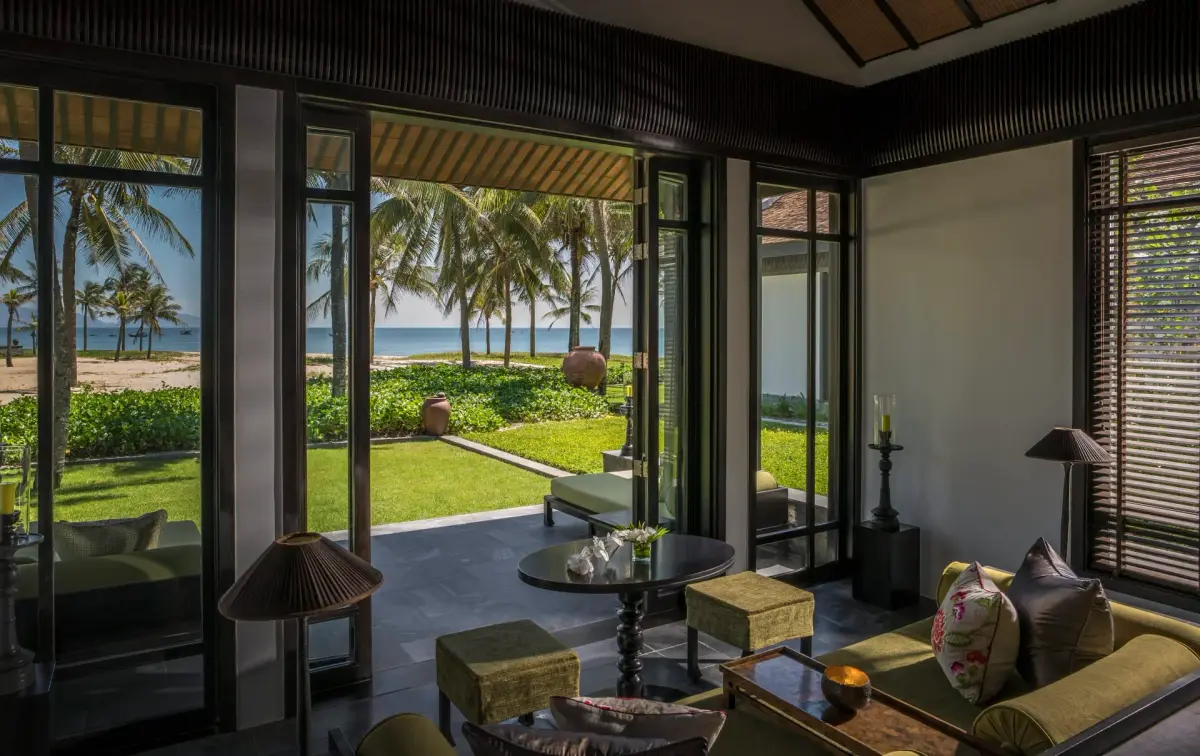
Four Seasons Resort The Nam Hai, Hoi An, Vietnam
Book Four Seasons Resort The Nam Hai, Hoi An, Vietnam in Hoi An, Vietnam through our Four Seasons Preferred partnership for exclusive complimentary perks with your stay.
Exclusive Booking Perks
- Four Seasons Preferred Partner benefits apply.
- 4 exclusive perks included with your booking. Message us on WhatsApp for details.
Location
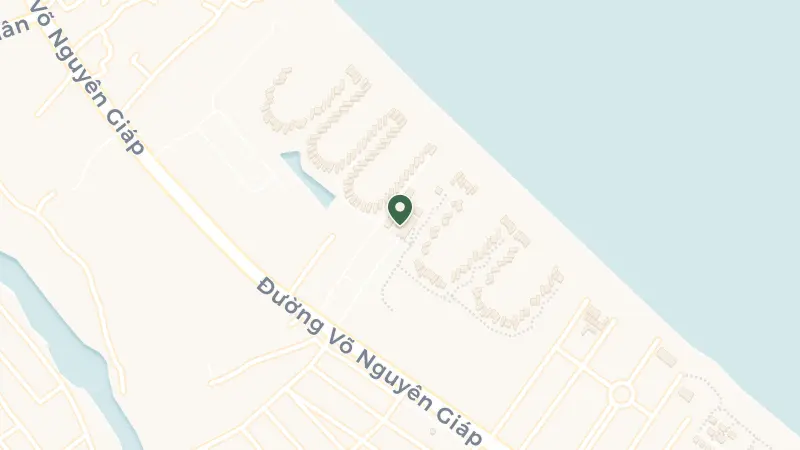
Four Seasons brings its signature standard of personalised attention to central Vietnam's coast, where anticipatory service and twice-daily housekeeping meet the cultural depth of one of Southeast Asia's most storied trading regions. The property occupies a stretch of shoreline between the South China Sea and rice paddies that still flood with the monsoon, a landscape where water buffalo graze within sight of contemporary resort architecture.
Five kilometres inland, Hoi An Ancient Town unfolds along the Thu Bon River, its ochre-walled shophouses and Chinese assembly halls preserved exactly as they stood when Japanese merchants and Portuguese traders walked these same stone lanes between the 15th and 19th centuries. The Old Town earned UNESCO protection in 1999 for good reason: lantern-lit evenings reveal timber-frame structures undisturbed by modern intrusion, their courtyards open to the river breeze. The Museum of Trade Ceramics and Museum of Sa Huynh Culture document the port's mercantile past through celadon jars and Bronze Age artefacts recovered from shipwrecks offshore.
Da Nang International Airport lies eighteen kilometres northeast, an easy transfer that skirts the Marble Mountains before reaching the resort's coastal setting in Điện Bàn Đông Ward.
La Maison 1888 occupies a recreated Indochinese colonial mansion twenty-one kilometres up the coast, accessible by cable car that climbs toward the Marble Mountains. The Michelin-starred kitchen delivers French contemporary tasting menus (five or eight courses) in a setting that pairs period architecture with contemporary technique. Book a table for the cable car ascent alone, which frames the coastline from summit to sea.
Closer to the property, morning markets in Điện Dương (two kilometres south) and Cẩm Phô (five and a half kilometres toward the Old Town) trade in just-pulled seafood, herbs bundled by the fistful, and rice paper drying on bamboo racks. The Ancient Town's Japanese Covered Bridge and Phước Kiến Assembly Hall warrant slow exploration; their carved beams and ceramic roof tiles speak to centuries of cross-cultural exchange. My Son Sanctuary, twenty-eight kilometres inland, preserves brick temple towers raised by the Champa kingdom between the 4th and 13th centuries, their linga altars and Sanskrit inscriptions still legible beneath jungle canopy. Cua Dai Beach stretches six kilometres from the resort, its sand pale and surf gentle enough for year-round swimming.
January through March brings the most forgiving weather: skies clear after the northeast monsoon, temperatures hover in the low to mid-twenties, and the light turns crystalline over the paddies. This is Hoi An's high season, when the Old Town's yellow walls glow without the haze of summer humidity.
April through August sees heat build steadily into the low thirties, the air thick and still by midday. Mornings are best spent on the water or beneath temple eaves; afternoons belong to the hotel pool. June and July offer the driest stretch of the warm months, though thunderstorms roll in from the mountains without warning.
September inaugurates the monsoon, which peaks catastrophically in October and November. Rainfall tops half a metre in November alone, and the Thu Bon River swells until the Old Town's lower streets flood knee-deep. December transitions back toward dry season, though clouds linger and temperatures dip to the low twenties. Visit between February and April or in early autumn before the rains arrive.
Frequently Asked Questions
Free service · No obligation
Request a Quote 20 Bib Gourmand