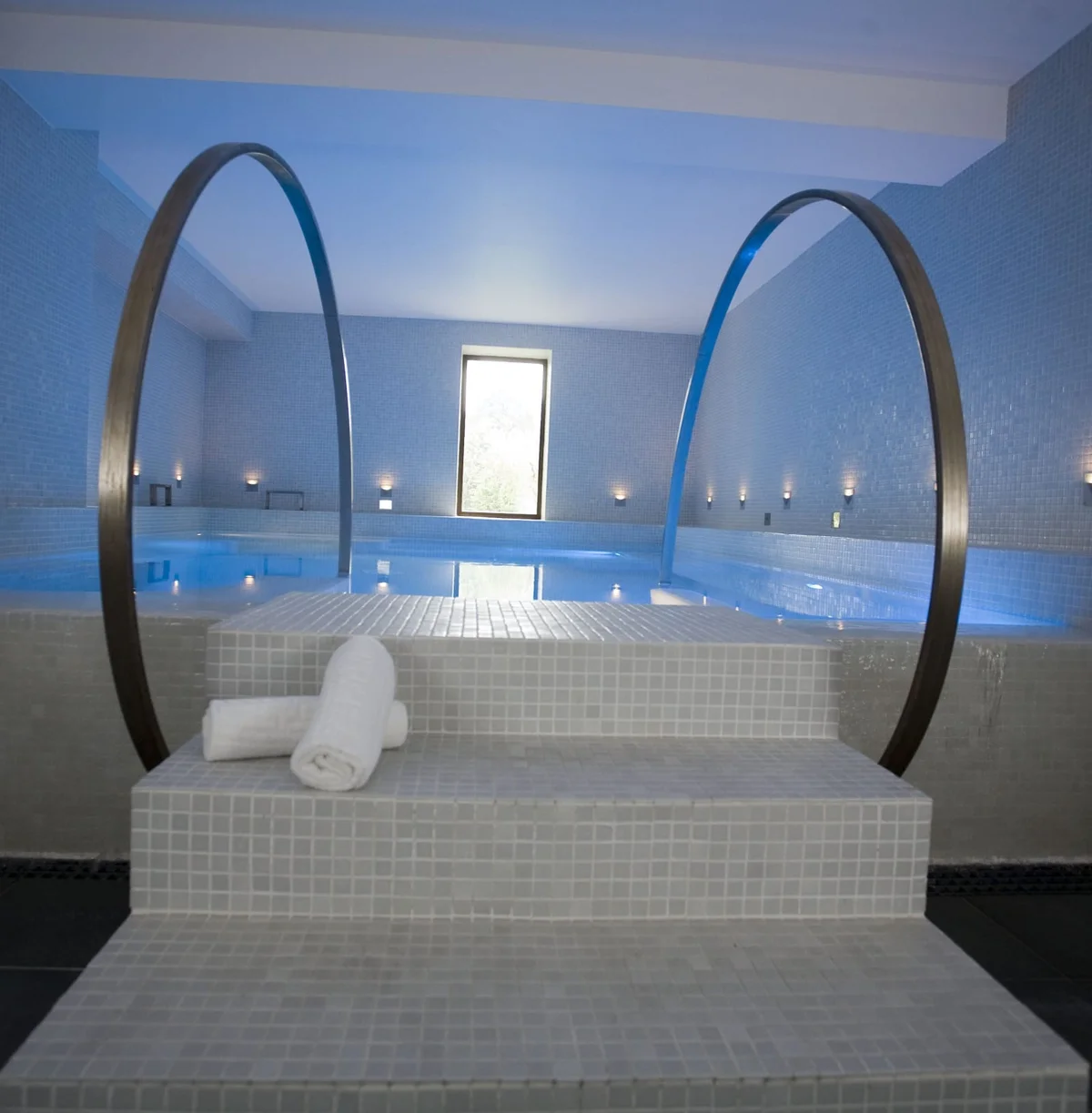
Baumanière Les Baux de Provence
When you book Baumanière Les Baux de Provence in Provence, France through our Virtuoso partnership, your stay includes daily breakfast, room upgrades and a $100 hotel credit.
Exclusive Booking Perks
- Upgrade on arrival, subject to availability
- Daily Full breakfast for up to two guests per bedroom, served in the restaurant and via in-room dining
- $100 USD equivalent Food & Beverage credit to be utilized during stay (not combinable, not valid on room rate, no cash value if not redeemed in full)
- Early check-in / Late check-out, subject to availability
Location
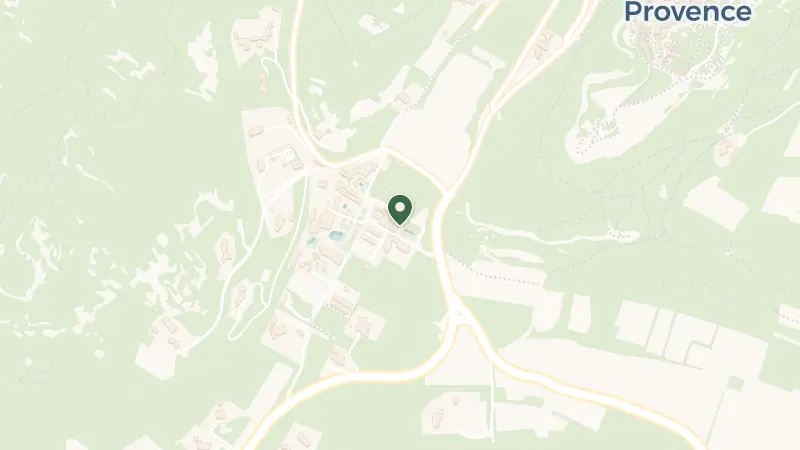
Les Baux-de-Provence clings to a limestone outcrop in the Alpilles, its medieval stone houses and ruined castle commanding views across the plains toward Arles. The village takes its name from the Provençal bauç, a rocky spur, and this geological drama defines everything: narrow cobbled lanes wind between honey-coloured walls, cypress trees punctuate the skyline, and the light shifts from gold to violet as the day ages. This is the Provence of troubadours and bauxite, discovered here in 1821 when geologist Pierre Berthier noticed the red-orange ore beneath his feet.
The commune itself is tranquil, almost austere in its beauty. You hear cicadas in summer, the distant clang of bells, the crunch of gravel underfoot. Saint-Martin, the neighbourhood where the property sits, unfolds at the base of the historic village, surrounded by olive groves and vineyards that stretch toward the Alpilles ridgeline.
Avignon Caumont airport lies 21 kilometres northwest, Marseille Provence 48 kilometres south. The drive from either threads through plane tree-lined roads and past stone farmhouses, the landscape opening onto that particular Provençal tableau of lavender, vines, and wind-sculpted rock.
L'Oustau de Baumanière, the property's three-Michelin-starred restaurant, has drawn artists and heads of state for decades with its creative Mediterranean cooking. The kitchen works with the season and the terroir: expect dishes that honour Provençal tradition while pushing refinement to quiet extremes. Six and a half kilometres north in Saint-Rémy-de-Provence, L'Auberge de Saint-Rémy showcases chef Fanny Rey's modern, ingredient-focused cuisine (two stars). Book a table for her tasting menu if you want to understand how this region tastes when handled with precision and imagination.
Arles, 14 kilometres southwest, is a UNESCO-listed trove of Roman monuments: the arena still hosts bullfights, the theatre hosts concerts, and the cryptoporticus tunnels beneath the forum remain cool even in August. Avignon's Palais des Papes, 24 kilometres north, preserves the 14th-century seat of the papacy, its vast halls frescoed by Sienese masters. Closer in, the vineyards of Mas Sainte-Berthe and Mas de la Dame produce Appellation Les Baux-de-Provence wines, mostly rosé and red, available for tasting less than three kilometres away. The Wednesday market in Saint-Rémy's Place de la République overflows with olives, tapenade, honey, and bundles of lavender.
Summer burns bright and dry. July and August push past 29°C, the air scented with thyme and hot stone, the mistral wind arriving without warning to clear the sky to an almost painful blue. This is high season, when the lavender blooms and the villages fill with visitors seeking shade under plane trees.
Spring and autumn offer gentler warmth: daytime temperatures hover between 16°C and 25°C, the light softens, and the vineyards turn amber in October. May brings occasional showers, but the countryside greens and wildflowers carpet the Alpilles foothills.
Winter is spare and bracing. Temperatures drop near freezing at night, and the village empties, revealing its medieval bones. The low sun casts long shadows across the ruins, and the quiet becomes almost monastic. Visit between April and June or September and October for the best balance of weather and atmosphere.
Frequently Asked Questions
Free service · No obligation
Request a Quote 13 Bib Gourmand