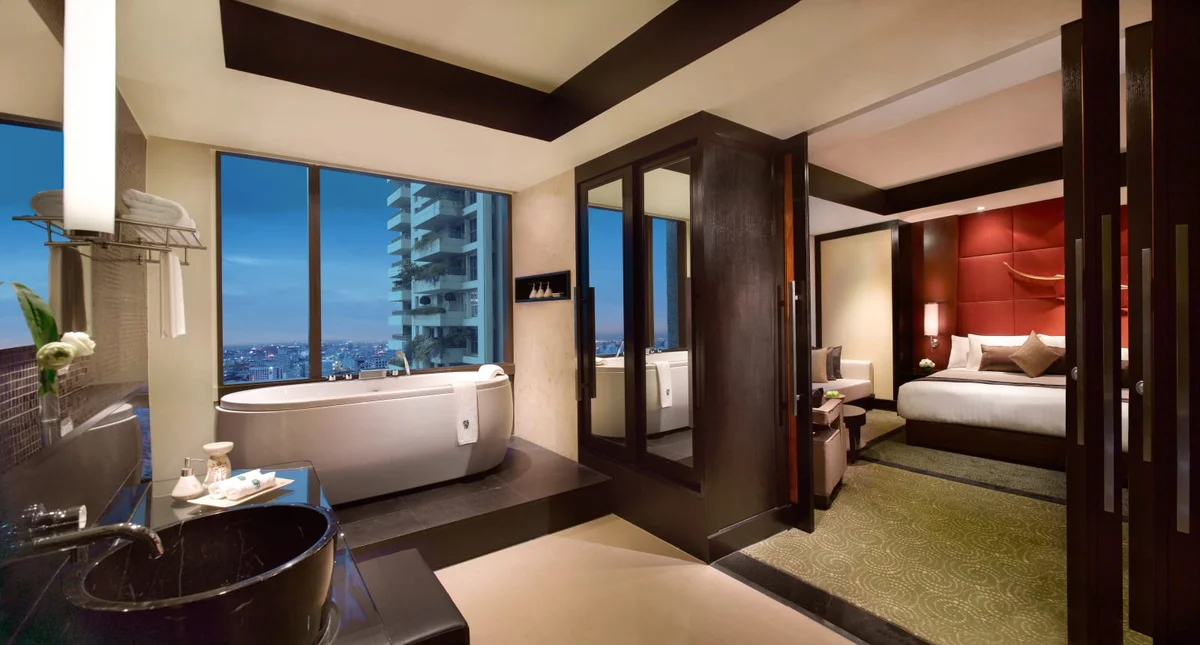
Banyan Tree Bangkok
When you book Banyan Tree Bangkok in Bangkok, Thailand through our Accor - HERA partnership, your stay includes daily breakfast, room upgrades and a $100 hotel credit.
Exclusive Booking Perks
- Daily complimentary breakfast for 2, per room
- VIP Welcome
- $100 USD credit to be spent on property (conditions defined at check-in)
- Early check-in & late check-out (upon availability)
- Upgrade at time of check-in (upon availability)
Location
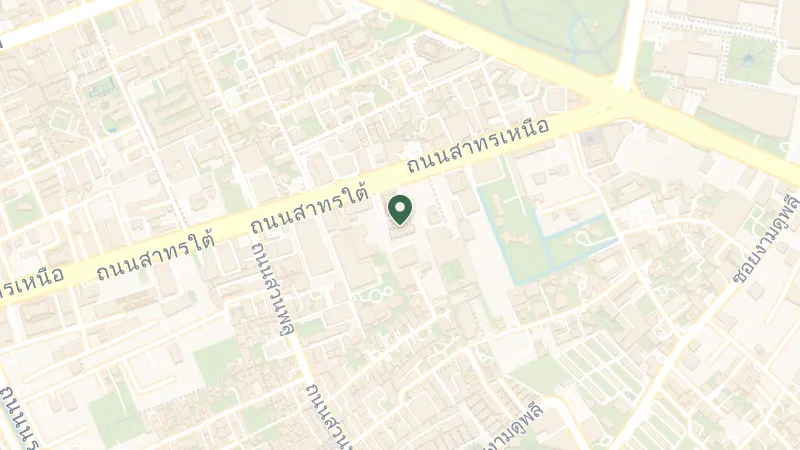
Banyan Tree brings its signature sustainability ethos and Asian wellness traditions to the Sathon District, a central Bangkok neighbourhood that balances corporate polish with residential calm along the Chao Phraya River. Sathon sits at the heart of the modern city, its wide tree-lined streets home to embassies, regional headquarters, and pockets of traditional Thai life that persist between the glass towers. The Chao Phraya flows just west, its muddy waters still thick with longtail boats and rice barges despite the towers crowding the banks.
This is Bangkok as a working capital rather than a monument to tourism: the rhythm here is local office workers threading through lunchtime crowds at Suan Phlu Market half a kilometre south, street vendors grilling moo ping over charcoal braziers, the temple bells of Wat Yan Nawa drifting over evening traffic.
The district's central placement means both airports, Don Mueang and Suvarnabhumi, sit roughly twenty-three kilometres out, reachable by expressway or the Airport Rail Link with a transfer at Phaya Thai.
The property houses Celadon, a Thai restaurant set within a traditional pavilion, where the setting echoes the calm of the old capital. For more ambitious dining, Sühring sits just over a kilometre and a half north, where German twin chefs Mathias and Thomas hold three Michelin stars for a tasting menu built on childhood memories, fermentation, and curing techniques that feel both rigorous and personal. Book a table at Sorn, three kilometres southeast, where self-taught Chef SupakSorn Jongsiri interprets the food culture of Southern Thailand with exhilarating precision and three stars to match.
Closer in, Patpong Night Market sprawls a kilometre northwest, its neon-lit lanes crammed with counterfeit goods and grilled skewers. Sam Yan Market, two and a half kilometres north, offers a grittier, more local experience: steaming bowls of khao tom and kanom krok cooked to order under corrugated tin roofs. The Historic City of Ayutthaya, a UNESCO site sixty-nine kilometres upriver, holds the ruins of Siam's second capital, its prang towers still standing where the Burmese left them in the eighteenth century.
Bangkok's heat never truly breaks, but the rhythm of the year divides sharply between dry and wet. November through February offers the most mercy: mornings in the low twenties, afternoons climbing to thirty degrees, the air dry enough that walking the city feels possible rather than punishing. March and April scorch, temperatures pushing past thirty-four degrees, the sky white and pitiless.
May ushers in the monsoon, and for the next five months the city drowns in afternoon downpours, September seeing over a quarter-metre of rain. The wet season doesn't cool things much, but it softens the light and clears the air.
Visit between November and February, when the heat relents and temple courtyards stay navigable past midday.
Frequently Asked Questions
Free service · No obligation
Request a Quote 44 Bib Gourmand