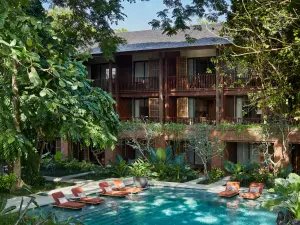
Anantara Uluwatu Bali Resort
When you book Anantara Uluwatu Bali Resort in Bali, Indonesia through our Anantara Journeys partnership, your stay includes room upgrades.
Exclusive Booking Perks
- Unique local experience at each hotel
- 24-hour check-in & check-out (upon availability)
- Destination-specific gift in the room
- VIP status and welcome amenities
- No walk-out policy (except the cases of hotel buyout)
- Upgrade upon arrival (upon availability)
- Dedicated contact person at each property
Location
Anantara's name translates as "without end" in Sanskrit, a fitting philosophy for a brand that creates immersive encounters with local traditions and landscapes. Each property offers cooking schools and curated excursions alongside the signature Anantara Spa, designed to connect guests with the character of their surroundings rather than seal them off from it.
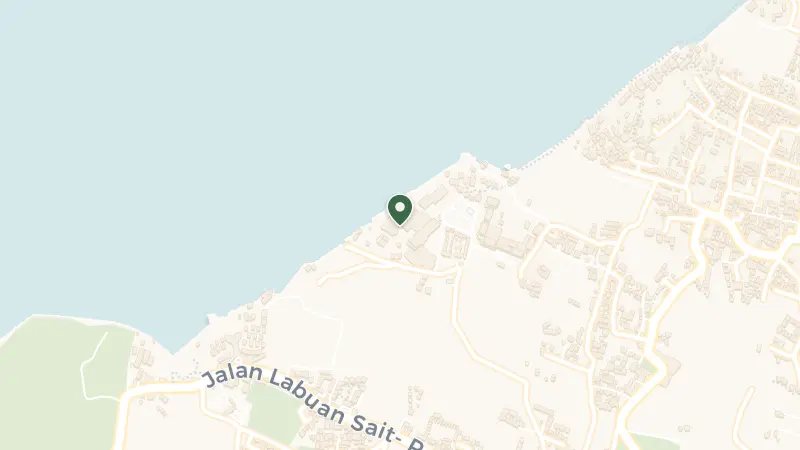
The Bukit Peninsula's western edge feels removed from the bustle of southern Bali's resort corridor. Pecatu's hilly topography tumbles toward isolated coves and surf breaks, a dramatic contrast to the manicured beaches of Nusa Dua across the peninsula. The landscape here is raw limestone clifftops and pockets of sand accessible by steep pathways, where the Indian Ocean hits the shore with force. Padang Padang Beach lies just over half a kilometre away, a crescent of white sand framed by volcanic rock and popular with surfers and sunbathers who don't mind the descent. Two kilometres northwest, Uluwatu Temple clings to a sheer cliff, one of Bali's most sacred sea temples and a place to witness kecak fire dances at sunset.
Ngurah Rai International Airport sits nine kilometres northeast, a short drive through the peninsula's undulating terrain. Bali remains the only Hindu-majority province in Indonesia, and that devotion shapes everything from daily offerings placed at doorways to the island's unparalleled tradition of sculpture, metalwork, and dance.
Pecatu exists for the ocean. Suluban Surf Beach, known locally as Blue Point, draws experienced surfers to its hollow reef break two kilometres north. Balangan Beach, a longer stretch of golden sand backed by warungs and coconut palms, lies two and a half kilometres away. The water here is less forgiving than Bali's eastern shores, and the clifftop vantage points reward those who simply want to watch the sets roll in. Book a session with Salty Water Surf School if you're ready to paddle out.
Uluwatu Temple demands an evening visit. Perched on a seventy-metre cliff, the eleventh-century pura draws pilgrims and travellers alike for its architectural grace and the nightly kecak performances, where a circle of chanting men accompanies the Ramayana epic as the sun drops into the sea. Jimbaran Fish Market, eight kilometres south, opens before dawn with the day's catch displayed on ice: snapper, barramundi, prawns the size of a fist. Choose your seafood and have it grilled tableside at one of the beachfront warungs, feet in the sand, smoke rising from coconut-husk coals.
The dry season stretches from May through October, with July and August bringing the coolest nights and the clearest skies. Mornings are bright and sharp, humidity lower than the island's typical haze, and the ocean swells at their most consistent for surfers. This is peak season; expect company on the clifftop pathways.
November marks the transition. Afternoon thunderstorms build over the peninsula, brief and intense, leaving the air humid and the vegetation impossibly green. December through March brings the wettest months, though rain here tends to arrive in bursts rather than lingering all day.
April and October occupy the sweet margins: fewer visitors, warm water, and enough cloud cover to soften the equatorial light without dampening the landscape. The peninsula feels quieter, the beaches less claimed.
Frequently Asked Questions
Free service · No obligation
Request a Quote