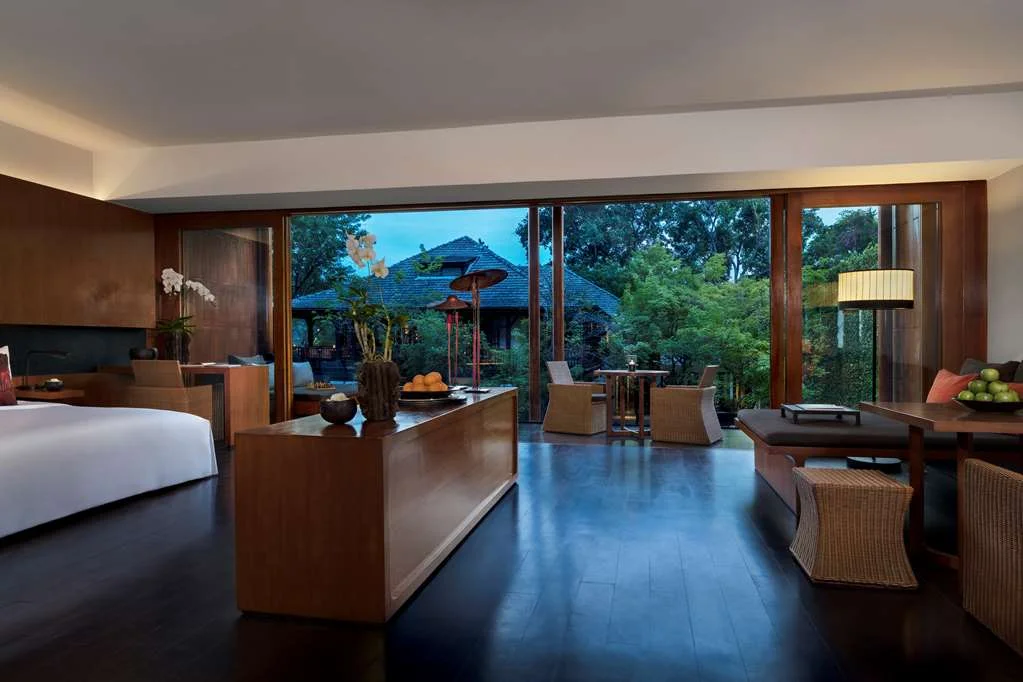
Anantara Chiang Mai Resort
When you book Anantara Chiang Mai Resort in Chiang Mai, Thailand through our Virtuoso partnership, your stay includes daily breakfast, room upgrades and a complimentary spa treatment.
Exclusive Booking Perks
- Upgrade on arrival, subject to availability
- Daily Full breakfast for up to two guests per bedroom, served in the restaurant and via in-room dining
- Guest option of one of the below, once per stay:
- A complimentary 60-minute massage for up to two guests, per room, once during stay Complimentary
- Complimentary Afternoon Tea on JAO Ping River Cruise for two guests, once during stay
- Early Check-In / Late Check-Out, subject to availability
Location
Anantara takes its name from the Sanskrit for "without end", a philosophy that shapes every property in the portfolio through deep immersion in local culture and landscape. Here along the banks of the Ping River, that promise translates to cooking schools fragrant with galangal and lemongrass, temple visits at dawn when saffron-robed monks collect alms, and spa rituals rooted in northern Thai healing traditions.
Chiang Mai unfolds at a different rhythm from the rest of Thailand. Founded in 1296 as the capital of the Lan Na kingdom, the city retains its moat and fragments of red brick ramparts that once enclosed the royal quarter. The old city's square grid, barely more than a kilometre and a half on each side, shelters more than 300 temples, their gilded chedis catching the light above teak shophouses and jasmine-scented soi. Beyond the walls, the Ping River curves through a metropolitan area of over a million people, its banks lined with markets where hill-tribe textiles and Burmese lacquerware change hands alongside mangosteen and rambutan.
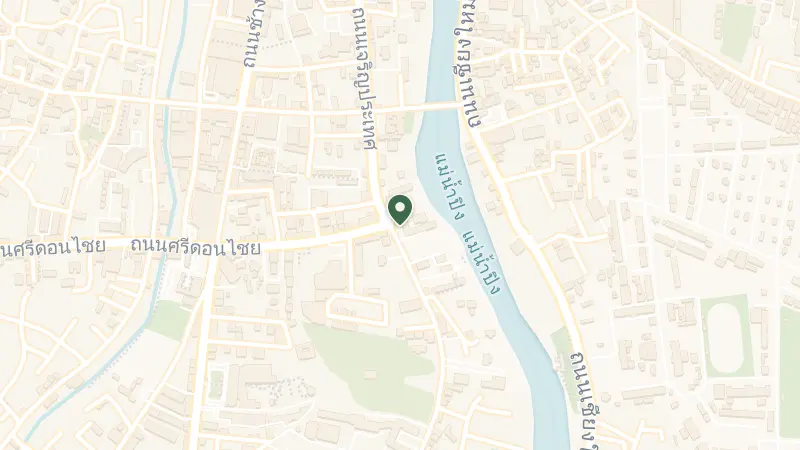
The property sits close to Anusarn Market and within walking distance of Warorot, the city's oldest commercial bazaar, where the scent of dried chillies and fermented fish mingles with temple incense. Chiang Mai International Airport lies five kilometres south, a short transfer through low-rise neighbourhoods shaded by rain trees.
The cooking schools Anantara embeds in its properties shine brightest here in Chiang Mai, northern Thailand's culinary heart. Learn to pound curry pastes in granite mortars, balance the sour-salty-spicy trinity of khao soi, the region's iconic coconut curry noodle soup, and work fresh herbs like sawtooth coriander and Kaffir lime leaves into larb. Warorot Market, a kilometre upstream, offers an early-morning sensory education: vendors selling blood sausage and grilled offal, pyramids of sticky rice steaming in bamboo baskets, and the fermented pork called naem that appears in nearly every northern dish. Book a table at one of the nearby restaurants to taste royal Lan Na cuisine, recipes that once fed the kingdom's nobility.
Doi Suthep-Pui National Park, twenty-three kilometres west in the forested highlands, shelters Wat Phra That Doi Suthep, the gold-plated temple that watches over the city from 1,073 metres. Climb the naga-flanked staircase of 306 steps at sunset when the chedi glows molten against the cooling sky. Closer in, the golf course at Chiang Mai Gymkhana Club has been testing swings since the 1890s, a remnant of the teak-trading era when British and Burmese merchants gathered here. The property's riverside location makes it a natural starting point for the complimentary jao cruise, drifting past wooden houses on stilts and temple grounds that edge the water.
November through February brings the cool season, when morning temperatures in the highlands dip to sixteen degrees and the Ping River runs clear and low. The city fills with visitors escaping Bangkok's humidity, temple courtyards crowded by mid-morning but serene at dawn. This is Chiang Mai's most comfortable weather, though nights can feel brisk after sunset.
March and April turn furnace-hot, temperatures climbing past thirty-four degrees, the air thick with smoke from agricultural burning in the surrounding valleys. The monsoon arrives in May and holds through October, afternoon downpours drumming on temple roofs and turning the streets slick. August sees the heaviest rains, but mornings often break clear and washed, the mountains visible in sharp relief.
The shoulder months of October and November offer a sweet spot: the rains taper off, the rice paddies around the city glow vivid green, and festival season begins with Loi Krathong, when thousands of lanterns and lotus-shaped floats drift skyward and downstream in a spectacle of fire and water.
Frequently Asked Questions
Free service · No obligation
Request a Quote 18 Bib Gourmand